















loading... 
  • Rectangle


    Hello

    Midland

    Texas


    ISSN: 3065-6958

    Published by


    M A G A Z I N E
    Midland
  •  
    Rectangle
     

    Midland

    America’s Video Magazine

    HelloMidland is a video magazine containing information of interest to residents and visitors.


    Fall Issue 2026 | ISSN: 3065-6958

    Published by HelloNation, © All Rights Reserved

    Where Good News Travels Faster™

    Rectangle
  •  
    Rectangle

    Contents


    4

    Thriving in Texas

    Discover The Vibrant Pulse of Midland

    6

    How to Choose the

    Right Financial Advisor With Confidence

    8

    Signs Your Business Has Outgrown Break

    Fix IT Support

    10

    How to Plan a

    Funeral Step by Step

    12

    Implants or Dentures

    Which Option Lasts Longer?

    14

    Discover the Vibrant Spirit of Midland,

    Texas

    16

    Dedicated Hearts, Creating Futures

    Permian Basin Area Foundati...

    18

    What to Consider Before Building a Home

    in Midland, TX

  • Thriving in Texas


    Discover The Vibrant Pulse of Midland

    Midland, Texas, famously known as 'The Tall City,' is the embodiment of a fusion between boundless opportunities and an enviable quality of life. Midland proudly boasts one of the youngest and most vibrant communities in Texas — a testament to the city's infectious energy, welcoming aura, and a promising future that beckons many from across the

    West Texas region. Families find themselves inexorably drawn to the city's social magnetism and the promise of growth. In Midland, you will find more than just a place to live; you'll experience a community. The city’s dynamism is indeed a testament to the perpetual bloom of urban life and the warm, welcoming embrace of a city not just designed, but destined for growth and development. The opportunities

    4 | HelloMidland, Texas • Fall Issue

  • HelloMidland, Texas • Fall Issue | 5

    Thriving in Texas


    in Midland aren’t restricted to the familial domain alone. With a thriving energy sector powering the regional economy, alongside robust contributions from healthcare, retail, recreation, and entertainment, Midland offers a diverse range of career opportunities. It serves as a hub for the industrious, the ambitious, the creative, and the adventurous. Midland is not just a city; it's a shared experience, a hustle of activities, and a convergence of cultures and people from all walks of life. Whether you're looking to climb the corporate ladder, embrace an active lifestyle, or seeking quality education for...

     
    Rectangle

    Thriving in Texas: Discover The Vibrant Pulse of Midland

    Midland, Texas, famously known as 'The Tall City,' is the embodiment of a fusion between boundless opportunities and an enviable quality of life. Midland proudly boasts one of the youngest and most vibrant communities in Texas — a testament to the city's infectious energy, welcoming aura, and a promising future that beckons many from across the West Texas region. Families find themselves inexorably drawn to the city's social magnetism and the promise of growth. In Midland, you will find more than just a place to live; you'll experience a community. The city’s dynamism is indeed a testament to the perpetual bloom of urban life and the warm, welcoming embrace of a city not just designed, but destined for growth and development. The opportunities in Midland aren’t restricted to the familial domain alone. With a thriving energy sector powering the regional economy, alongside robust contributions from healthcare, retail, recreation, and entertainment, Midland offers a diverse range of career opportunities. It serves as a hub for the industrious, the ambitious, the creative, and the adventurous. Midland is not just a city; it's a shared experience, a hustle of activities, and a convergence of cultures and people from all walks of life. Whether you're looking to climb the corporate ladder, embrace an active lifestyle, or seeking quality education for your children, this Texan city offers anything and everything you might need or desire. Welcome to Midland — the place where the tall buildings meet even greater dreams. This thriving city offers an unmatched blend of Southern charm, dynamic growth, and an unwavering can-do spirit. With something for everyone, it's no wonder people come from all strands of life to work, connect, build, and enjoy a fantastic future under the vast Texas skies. Embrace the vivacity of Midland; combine your potential with the city's promising opportunities. Come, be a part of this unique melting pot of innovation and tradition. Discover Midland; discover your new beginning. [Queue upstage music]


  • How to Choose the Right Financial Advisor With Confidence

     
    Rectangle

    Choosing a financial advisor is an important decision that can shape your financial future for years to come. Whether you are investing for the first time, planning for retirement, or managing a growing portfolio, selecting an advisor who matches your needs requires more than reviewing advertisements or

    impressive titles. Taking time to ask thoughtful questions and compare qualifications can help you make a more informed choice.One of the first topics to discuss is the advisor's experience. Ask how long they have worked with clients and whether they regularly assist people whose financial goals

    6 | HelloMidland, Texas • Fall Issue

  • How to Choose the Right Financial Advisor With Confidence

    Choosing a financial advisor is an important decision that can shape your financial future for years to come. Whether you are investing for the first time, planning for retirement, or managing a growing portfolio, selecting an advisor who matches your needs requires more than reviewing advertisements or impressive titles. Taking time to ask thoughtful questions and compare qualifications can help you make a more informed choice.
    One of the first topics to discuss is the advisor's experience. Ask how long they have worked with clients and whether they regularly assist people whose financial goals or life situations are similar to yours. An advisor who understands the challenges of first-time investing may take a different approach than someone who primarily works with business owners or retirees. Learning about their experience provides valuable context for the advice they offer.
    Credentials are another important factor when comparing financial advisors. Professional designations often reflect additional education, testing, and ongoing requirements. Depending on the services you need, you may encounter Certified Financial Planner, or CFP, professionals, Certified Public Accountants, or CPAs, and other credentialed advisors. A CPA may be especially valuable when financial planning involves tax planning, business ownership, or more complex tax situations. Understanding what each credential represents can help you identify the expertise that best matches your financial needs.
    A financial advisor's qualifications, communication style, and understanding of your goals often matter more than a polished marketing message.
    First-time investors should also ask how recommendations are developed. Some advisors create comprehensive financial plans before suggesting investments, while others begin by discussing specific products or investment strategies. Understanding their planning process helps you determine whether their recommendations are based on your complete financial picture, including income, expenses, savings goals, risk tolerance, and time horizon.
    Communication is another key consideration that is sometimes overlooked during the selection process. Ask how often you can expect meetings, whether updates are provided regularly, and how questions are handled between scheduled appointments. Some clients prefer detailed quarterly reviews, while others appreciate more frequent conversations. Choosing an advisor whose communication style matches your expectations can make the relationship more productive and comfortable over time.
    It is also helpful to understand the range of financial services available. Some advisors focus primarily on investment management, while others provide retirement planning, education savings strategies, estate planning coordination, insurance reviews, and tax planning guidance. Knowing which services are included allows you to compare advisors based on the support they provide rather than assuming every firm offers the same level of assistance.
    Another worthwhile question involves how the advisor stays informed about changes affecting clients. Tax laws, investment regulations, and economic conditions evolve over time, and continuing education helps advisors provide current guidance. Asking about ongoing professional development demonstrates whether an advisor is committed to maintaining current knowledge in a changing financial environment.
    Ultimately, choosing the right financial advisor is about finding someone whose experience, credentials, planning philosophy, and communication approach align with your financial goals. Taking time to ask meaningful questions encourages thoughtful comparisons and helps you evaluate each advisor based on qualifications and personal fit rather than marketing alone. A careful selection process can provide greater confidence as you work toward both your short-term objectives and long-term financial plans.

    Feature Graphic
    Kevin Foreman
     

    or life situations are similar to yours. An advisor who understands the challenges of first-time investing may take a different approach than someone who primarily works with business owners or retirees. Learning about their experience provides valuable context for the advice they offer.Credentials are another

    important factor when comparing financial advisors. Professional designations often reflect additional education, testing, and ongoing requirements. Depending on the services you need, you may encounter Certified Financial Planner, or CFP, professionals, Certified Public Accountants, or CPAs, and other credentialed advisors. A CPA may be especially valuable when financial planning involves tax planning, business ownership, or more complex tax situations. Understanding what each credential represents can help you identify the expertise that best matches your financial needs.A financial advisor's qualifications, communication style...

    Rectangle

    A financial advisor's qualifications, communication style, and understanding of your goals often matter more than a polished marketi...

    About the Author

    Kevin Foreman is a Financial Advisor with Foreman Financial, affiliated with Raymond James, with more than 25 years of experience helping individuals, families, and business owners pursue their financial goals. A licensed CPA and longtime Midland resident, Kevin is known for providing personalized financial guidance built on trust, education, and long-term relationships. He enjoys spending time with his family, playing golf, and supporting the Midland community through local board service.

    HelloMidland, Texas • Fall Issue | 7

  • Signs Your Business Has Outgrown Break-Fix IT Support

     
    Rectangle

    Many businesses start with break-fix IT support because it seems like a simple way to handle technology problems. Instead of paying for ongoing service, they call an IT provider only when something stops working. This approach can work for very small businesses with only a few computers and basic technology needs.

    As a business grows, technology becomes more important to daily work. Employees rely on computers, email, cloud software, and internet connections throughout the day. When even one system fails, the problem can spread quickly and affect many people.One of the first signs that a business has

    8 | HelloMidland, Texas • Fall Issue

  • Signs Your Business Has Outgrown Break-Fix IT Support

    Many businesses start with break-fix IT support because it seems like a simple way to handle technology problems. Instead of paying for ongoing service, they call an IT provider only when something stops working. This approach can work for very small businesses with only a few computers and basic technology needs.

    As a business grows, technology becomes more important to daily work. Employees rely on computers, email, cloud software, and internet connections throughout the day. When even one system fails, the problem can spread quickly and affect many people.

    One of the first signs that a business has outgrown break-fix IT support is frequent business downtime. When employees cannot access files, software, or email, work slows down or stops completely. Even a short outage can delay projects, interrupt customer service, and reduce employee productivity.

    Business downtime often costs more than business owners expect. Employees may be unable to finish their work, customers may wait longer for answers, and important deadlines may be missed. As these problems happen more often, they begin to affect the entire business instead of one employee or one department.

    Recurring technology problems are another warning sign. A computer that keeps crashing, a slow network, or software that freezes every few days may seem like separate issues. In many cases, they all point to a larger problem that has never been fully fixed.

    Break-fix IT support usually focuses on getting systems running again as quickly as possible. While that solves the immediate problem, it does not always fix the cause. The same issue may return days or weeks later, creating more frustration and more lost time.

    Unexpected repair costs are another sign that the break-fix model may no longer be the best choice. Emergency service calls, replacement equipment, and urgent repairs are difficult to plan for. These surprise expenses can make it harder to manage a business budget.

    Since break-fix IT support only begins after something fails, businesses have very little control over when repairs are needed. A problem that starts with one computer can sometimes spread across an entire network before anyone notices. The longer the problem continues, the greater the chance of extended business downtime.

    Managed IT services take a different approach. Instead of waiting for something to break, they focus on finding and fixing small problems early. Systems are watched throughout the day so that slow performance, missing updates, and other warning signs can be found before they cause bigger issues.

    Regular maintenance also helps computers, servers, and networks continue running well. Ongoing technology support gives businesses a better understanding of system health, repeated problems, and future technology needs. This helps business owners make better decisions instead of reacting to emergencies.

    Finding and fixing small technology problems early is usually easier and less expensive than waiting for a major system failure.

    A proactive approach also helps reduce business downtime. Small issues can often be fixed before employees notice them. That means fewer interruptions during the workday and more time spent serving customers.

    Reliable systems also improve employee productivity. Employees can stay focused on their work instead of waiting for repairs or looking for temporary solutions. When technology works as expected, the entire business runs more smoothly.

    Business growth often shows the limits of break-fix IT support. Hiring new employees, adding office locations, or moving to cloud software creates more devices and more systems to manage. Without regular technology support, small problems can become much larger over time.

    Managed IT services help businesses keep up with these changes. They provide ongoing technology support that keeps systems updated, secure, and working properly. Instead of dealing with one emergency after another, businesses can spend more time planning for future growth.

    Cybersecurity is another reason many businesses move beyond break-fix IT support. Cyber threats continue to grow, and businesses of every size can become targets. Waiting until after an attack happens can lead to lost files, financial losses, and even more business downtime.

    Managed IT services support cybersecurity through regular updates, system monitoring, security checks, and timely repairs. These simple steps help lower security risks while keeping technology in better condition.

    Business owners should also think about how much time they spend dealing with technology issues. Calling vendors, scheduling repairs, and helping employees with computer problems all take time away from running the business. Reliable technology support reduces these distractions and helps leaders focus on customers, employees, and future goals.

    When technology problems become more common, repair costs become harder to predict, and business downtime affects daily work, it may be time to move beyond break-fix IT support. Managed IT services provide a proactive approach that strengthens cybersecurity, improves employee productivity, reduces business downtime, and delivers dependable technology support as a business continues to grow.

    Feature Graphic
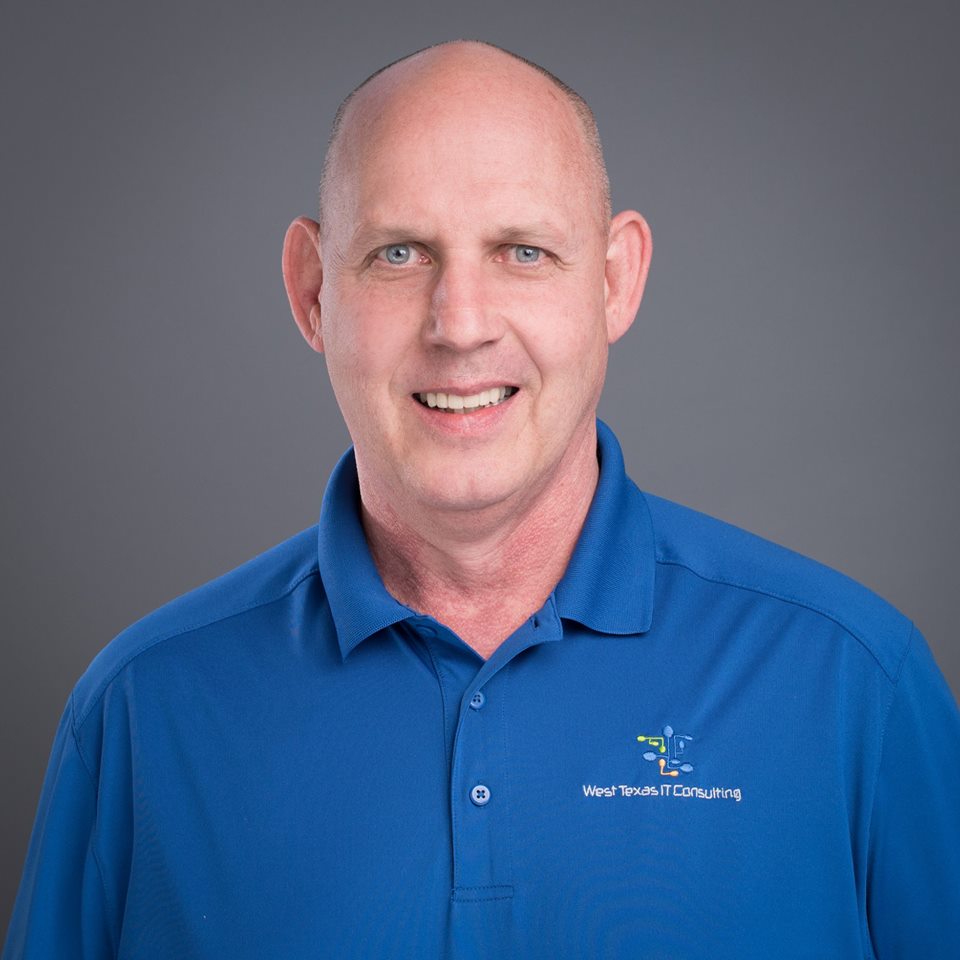
    John Brenner
     

    outgrown break-fix IT support is frequent business downtime. When employees cannot access files, software, or email, work slows down or stops completely. Even a short outage can delay projects, interrupt customer service, and reduce employee productivity.Business downtime often costs more than business owners expect.

    Employees may be unable to finish their work, customers may wait longer for answers, and important deadlines may be missed. As these problems happen more often, they begin to affect the entire business instead of one employee or one department.Recurring technology problems are another warning sign. A computer that keeps crashing, a slow network, or software that freezes every few days may seem like separate issues. In many cases, they all point to a larger problem that has never been fully fixed.Break-fix IT support usually focuses on getting systems running again as quickly as possible. While that solves the immediate problem,...

    Rectangle

    Finding and fixing small technology problems early is usually easier and less expensive than waiting for a major system failure.

    About the Author

    John Brenner is the founder and President of West Texas IT Consulting, established in 2010. A U.S. Navy veteran with degrees in Information Systems and International Business from Texas Tech University, he combines technical expertise with strategic leadership. John is dedicated to helping businesses build secure, reliable technology environments through proactive IT management and trusted client partnerships.

    HelloMidland, Texas • Fall Issue | 9

  • Partners & Associations
    The HelloNation Network
    Partners &
    Associations
    HelloNation is America’s Video Magazine, telling the story of more than 30,000 towns and cities. We don’t do it alone. From national civic leaders to the statewide associations rooted right here in Texas, these partners help make every community visible — and every local voice heard.
    “Where Good News Travels Faster.”
    Association categories
    National
  • National Partner
    National
    U.S. Conference of Mayors

    164 | HelloMidland, Texas • Fall Issue

    U.S. Conference of Mayors

    Every city has its own personality — its own traffic headaches, its own budget fights, its own hopes for the next generation. But the mayors who run those cities, from the biggest metros to mid-sized towns, share more problems than you might expect. For nearly a century, they've had one place to solve them together: the United States Conference of Mayors — an organization HelloNation is proud to partner with. The Conference was born in the depths of the Great Depression. In 1932, with cities near bankruptcy and unemployment lines stretching around the block, Detroit's mayor invited his counterparts from across the country to confront the crisis as one. Twenty-nine mayors answered the call, traveled to Washington together, and helped win the first federal relief ever sent directly to America's cities. They formalized their alliance soon after, and the Conference has been the nation's leading voice for cities ever since. Today it's the official nonpartisan organization of U.S. cities with populations of 30,000 or more — roughly 1,400 of them — each represented by its mayor. Democrats, Republicans, and independents sit at the same table, because potholes, public safety, and housing costs don't belong to any one party. The Conference's job is to make sure that when Washington writes laws and budgets, the people who actually run America's cities are in the room. Why should that matter to you? Because the issues the Conference weighs in on land squarely in your daily life. When mayors press Congress on infrastructure, they're talking about the roads you drive and the water you drink. When they publish their annual survey on hunger and homelessness, they're putting hard local data behind problems you see in your own community. And when they share what's working in one city — a smarter transit idea, a program that got families housed — that idea can travel to yours. The Conference is, in effect, a clearinghouse for the best ideas in American local government, plus a megaphone to make sure cities aren't forgotten when federal priorities are set. It has been on the front lines of history, too. President Kennedy chose the Conference's annual meeting to introduce the ideas that would become the Civil Rights Act. Decade after decade, on issues from economic recovery to public safety, the nation's mayors have used this forum to lead. For a resident, the Conference is a reminder that your mayor isn't working in isolation. Behind that one local leader stands a national network of peers, all trading solutions and pushing to bring resources home. And the closer that leadership and help sit to your community, the stronger that community becomes — which is exactly why the work of America's mayors, together, is worth paying attention to.
  • Partners & Associations
    National
    National Partner
    The Room Where America's Mayors Get Things Done
    Founded
    1932
    Cities
    1,400
    Headquarters
    Washington, D.C.

    Every city has its own personality — its own traffic headaches, its own budget fights, its own hopes for the next generation. But the mayors who run those cities, from the biggest metros to mid-sized towns, share more problems than you might expect. For nearly a century, they've had one place to solve them together: the United States Conference of Mayors — an organization HelloNation is proud to partner with.

    The Conference was born in the depths of the Great Depression. In 1932, with cities near bankruptcy and unemployment lines stretching around the block, Detroit's mayor invited his counterparts from

    across the country to confront the crisis as one. Twenty-nine mayors answered the call, traveled to Washington together, and helped win the first federal relief ever sent directly to America's cities. They formalized their alliance soon after, and the Conference has been the nation's leading voice for cities ever since.

    Today it's the official nonpartisan organization of U.S. cities with populations of 30,000 or more — roughly 1,400 of them — each represented by its mayor. Democrats, Republicans, and independents sit at the same table, because potholes, public safety, and housing costs...

    “Great cities are built one good decision at a time, by leaders who know their neighbors by name.”
    In partnership with HelloNation • Visit USCM

    HelloMidland, Texas • Fall Issue | 165

  • National Partner
    National
    National Partner
    National League of Cities

    Cities, towns, and villages are where life actually happens — where you go to work, raise a family, and count on someone to plow the street and keep downtown's lights on. The people who lead those places, from big-city mayors to small-town council members, have spent a hundred years pooling their wisdom through one organization: the National League of Cities — a partner HelloNation is proud to work alongside.

    Its story began on a December morning in 1924, when ten state municipal leagues gathered in a classroom at the University of Kansas. Their goal was simple but ambitious: create a single national...

    Founded
    1924
    Cities
    19,000+
    Headquarters
    Washington, D.C.

    166 | HelloMidland, Texas • Fall Issue

  • These influential entities advocate tirelessly on behalf of America's cities, towns and villages — ensuring every community's voice is heard on a national scale.”
    In partnership with HelloNation • Visit NLC

    HelloMidland, Texas • Fall Issue | 167

    National League of Cities

    Cities, towns, and villages are where life actually happens — where you go to work, raise a family, and count on someone to plow the street and keep downtown's lights on. The people who lead those places, from big-city mayors to small-town council members, have spent a hundred years pooling their wisdom through one organization: the National League of Cities — a partner HelloNation is proud to work alongside.

    Its story began on a December morning in 1924, when ten state municipal leagues gathered in a classroom at the University of Kansas. Their goal was simple but ambitious: create a single national organization where local leaders could swap ideas, learn from one another, and speak with one voice in Washington. That small meeting grew into the oldest and largest organization representing America's municipalities. Today the National League of Cities represents more than 19,000 cities, towns, and villages — from the largest metropolis to the smallest hamlet — through its direct members and partnerships with state municipal leagues across the country.

    The League's mission is to advocate for local governments, strengthen local leadership, and spread solutions that work. It lobbies Congress on the issues that shape communities — infrastructure, housing, public safety, families — guided by a principle every local official appreciates: no unfunded mandates, and respect for local decision-making. It also trains elected leaders, publishes research, and helps cities of every size tap federal resources, like the infrastructure funding that repairs bridges and upgrades water systems.

    Why does this matter to you?

    Because the League exists to make sure your town — whatever its size — isn't drowned out. A village of a few thousand people can't station a lobbyist in Washington, but through the National League of Cities, its voice still reaches the national conversation. And when your city council runs into a hard problem, odds are another community has already found a solution worth borrowing; the League is how those lessons travel. Its programs focused on children, youth, and families work to improve outcomes for the next generation right where they live.

    In short, the League helps your local leaders do their jobs better — and helps ensure that decisions made far away still account for life in your neighborhood.

    A hundred years after ten people sat down around a table in Kansas, the through-line hasn't changed: local leaders are the ones who get things done, and they're strongest when they work together. That's a quietly hopeful idea, and it holds up whether you live in a city of millions or a town with a single stoplight.

  • National Partner
    National
    National Partner
    National Association of Counties

    Chances are you can name your mayor, and maybe your governor. But can you name a single thing your county government does? If not, you're in good company — and you're also relying on it more than you realize. The county is the quiet layer of American government that maintains the roads, staffs the health department, keeps the courthouse open, and shows up when disaster strikes. And for ninety years, America's counties have had a national champion: the National Association of Counties, a national organization HelloNation is proud to partner with.

    NACo was founded in 1935, during the upheaval of the New Deal,...

    Founded
    1935
    Counties
    3,000+
    Headquarters
    Washington, D.C.

    168 | HelloMidland, Texas • Fall Issue

  • Counties are where policy meets people — and HelloNation helps tell that story town by town.”
    In partnership with HelloNation • Visit NACo

    HelloMidland, Texas • Fall Issue | 169

    National Association of Counties

    Chances are you can name your mayor, and maybe your governor. But can you name a single thing your county government does? If not, you're in good company — and you're also relying on it more than you realize. The county is the quiet layer of American government that maintains the roads, staffs the health department, keeps the courthouse open, and shows up when disaster strikes. And for ninety years, America's counties have had a national champion: the National Association of Counties, a national organization HelloNation is proud to partner with.

    NACo was founded in 1935, during the upheaval of the New Deal, when county officials realized that a form of government older than the states themselves risked being overlooked as Washington expanded. They organized to make sure counties had a seat at the national table. Today NACo is the only national organization representing county governments — all 3,069 of them — serving nearly 40,000 elected county officials and the 3.6 million people who work for county governments across the country.

    What do counties actually do? More than most people imagine. Counties own more road miles than any other level of government — over 1.8 million of them — plus tens of thousands of bridges. They run public health departments, emergency management, jails and courts, and, in most of the country, elections. When you vote, call 911, cross a county bridge, or visit a public clinic, you're using county government.

    NACo's role is to strengthen all of that. It advocates for counties in federal policymaking, researches and spreads solutions that work, helps counties save taxpayer money through shared purchasing, and develops local leaders. When a good idea takes root in one county — a mental-health crisis center, a smarter way to invest opioid-settlement dollars — NACo helps carry it to counties nationwide.

    Why does that matter to you?

    Because counties deliver the services you're most likely to need — on your worst day and your most ordinary one alike — and they often do it with tight budgets and little fanfare. When counties have a strong national voice, they're better equipped to keep your roads safe, your water clean, your emergency services staffed, and your elections running. NACo's work happens far from most residents' attention, but its results show up in your community every single day.

    There's history in it, too. What began in 1935 as a small band of county officers fighting to be taken seriously has grown into a nearly century-old institution — proof of how much steady, unglamorous local government matters to the country, and to the people it quietly serves every day. The next time your county keeps a road open, staffs a clinic, or runs an election without a hitch, know that a national network stands behind that work, helping make sure it holds.

  • National Partner
    National
    U.S. First Responders Association

    170 | HelloMidland, Texas • Fall Issue

    U.S. First Responders Association

    When the worst moment of your life arrives — a fire, a crash, a medical emergency, a natural disaster — the people who show up are first responders. Firefighters, police officers, paramedics, rescue crews, 911 dispatchers, and the volunteers who back them up run toward the trouble everyone else is running from. The U.S. First Responders Association exists to support the people who do that job.

    USFRA is a national nonprofit that brings together first responders from across every discipline — fire, EMS, law enforcement, dispatch, and military, along with veterans and civilian volunteers — into a single professional and social network. It describes itself as the only national nonprofit that embraces all aspects of first (and secondary) response, and its focus is practical: training, tactics, safety, education, disaster preparation, and community outreach. In plain terms, it helps the people who protect your community share what they know, stay safer on the job, and prepare for the emergencies they hope never come.

    The association's reach shows up when it matters most. Over the years, USFRA has helped channel support to responders on the front lines of catastrophe — organizing disaster relief after hurricanes battered the Florida panhandle, backing crews battling wildfires in Southern California, and getting needed supplies to responders in the field. It also works to strengthen the bond between first responders and the communities and local businesses that stand behind them, connecting the people who serve with the neighbors who want to support them. That spirit carries into new efforts to honor responders publicly, including a national awards show, launched with broadcast partners, created to celebrate the people behind the badge and the uniform.

    Why does that matter to you?

    Because the quality of the help you receive in an emergency depends on how well-trained, well-supported, and well-connected your local responders are. A firefighter with access to the latest safety practices, a dispatcher plugged into a national network of peers, a volunteer department that got help preparing for disaster — all of that translates directly into better outcomes for you and your family when seconds count. Supporting first responders isn't abstract; it's an investment in your own community's safety.

    There's a human side, too. First responders carry heavy burdens, and organizations that build fellowship, share resources, and remind them they aren't alone are part of keeping them whole — which, in turn, keeps them ready to serve.

    That shared commitment to safe, connected communities is why HelloNation is proud to work alongside the U.S. First Responders Association. The men and women who protect our neighborhoods deserve to be recognized and supported by the communities they serve — and we're glad to help tell their story.

  • Partners & Associations
    National
    National Partner
    The People Who Run Toward Trouble — and the Network Behind Them

    When the worst moment of your life arrives — a fire, a crash, a medical emergency, a natural disaster — the people who show up are first responders. Firefighters, police officers, paramedics, rescue crews, 911 dispatchers, and the volunteers who back them up run toward the trouble everyone else is running from. The U.S. First Responders Association exists to support the people who do that job.

    USFRA is a national nonprofit that brings together first responders from across every discipline — fire, EMS, law enforcement, dispatch, and military, along with veterans and civilian volunteers — into a single

    professional and social network. It describes itself as the only national nonprofit that embraces all aspects of first (and secondary) response, and its focus is practical: training, tactics, safety, education, disaster preparation, and community outreach. In plain terms, it helps the people who protect your community share what they know, stay safer on the job, and prepare for the emergencies they hope never come.

    The association's reach shows up when it matters most. Over the years, USFRA has helped channel support to responders on the front lines of catastrophe — organizing disaster...

    “When the worst moment of your life arrives — a fire, a crash, a medical emergency, a natural disaster — the people who show up are first responders.”
    In partnership with HelloNation • Visit USFRA

    HelloMidland, Texas • Fall Issue | 171

  • Rectangle

    © HelloNation.

    All Rights Reserved