loading... 
  • Rectangle


    Hello

    New Philadelphia

    Ohio


    ISSN: 3065-6958

    Published by


    M A G A Z I N E
    New Philadelphia
  •  
    Rectangle
     

    New Philadelphia

    America’s Video Magazine

    HelloNew Philadelphia is a video magazine containing information of interest to residents and visitors.


    Summer Issue 2026 | ISSN: 3065-6958

    Published by HelloNation, © All Rights Reserved

    Where Good News Travels Faster™

    Rectangle
  • Left Right

    4 | HelloNew Philadelphia, Ohio • Summer Issue


    Ohio A Thriving Gem in the Heartland

    Tucked away in the heartland of Ohio, New Philadelphia offers a warm and inviting community enriched by its vibrant history and lively present. With its beautifully preserved architecture and an array of local businesses, this charming

    town effortlessly combines the allure of small-town living with modern possibilities. Neatly lined streets host bustling local shops and cozy cafes, where friendly faces greet both residents and visitors alike. A true food lover’s paradise, New Philadelphia boasts an impressive assortment of eateries that celebrate regional flavors and culinary ingenuity. The weekly farmers’ markets offer a bounty of fresh, local produce that adds a

    Discover the Charms of New Philadelphia,


  • Left Right

    HelloNew Philadelphia, Ohio • Summer Issue | 5


    delicious touch to everyday life. Nature lovers will revel in the stunning nearby landscapes, where Tuscora Park shines as a favorite spot for family outings and leisurely strolls. The park's beautifully manicured gardens, picturesque pond, and exciting amusement rides create unforgettable experiences for children and adults alike. A community with a heart as big as its heritage, New Philadelphia hosts frequent cultural

    events and festivals, showcasing the town’s deep-rooted pride and love for the arts. With a rich tapestry of experiences waiting to be discovered, New Philadelphia, Ohio, is not just a place to live but a place to thrive.

    Discover the Charms of New Philadelphia,


    Rectangle

    Discover the Charms of New Philadelphia, Ohio: A Thriving Gem in the Heartland

    Tucked away in the heartland of Ohio, New Philadelphia offers a warm and inviting community enriched by its vibrant history and lively present. With its beautifully preserved architecture and an array of local businesses, this charming town effortlessly combines the allure of small-town living with modern possibilities. Neatly lined streets host bustling local shops and cozy cafes, where friendly faces greet both residents and visitors alike. A true food lover’s paradise, New Philadelphia boasts an impressive assortment of eateries that celebrate regional flavors and culinary ingenuity. The weekly farmers’ markets offer a bounty of fresh, local produce that adds a delicious touch to everyday life. Nature lovers will revel in the stunning nearby landscapes, where Tuscora Park shines as a favorite spot for family outings and leisurely strolls. The park's beautifully manicured gardens, picturesque pond, and exciting amusement rides create unforgettable experiences for children and adults alike. A community with a heart as big as its heritage, New Philadelphia hosts frequent cultural events and festivals, showcasing the town’s deep-rooted pride and love for the arts. With a rich tapestry of experiences waiting to be discovered, New Philadelphia, Ohio, is not just a place to live but a place to thrive.

  • Buying or Selling a Home in a Shifting Ohio Market

     
    Rectangle

    Buying or selling a home in a changing market can feel uncertain, especially when interest rates fluctuate. Many people hear national news about the housing market and assume it applies everywhere. In reality, the most effective real estate decisions are based on local conditions, buyer behavior, and

    pricing trends specific to the area.Interest rates play a central role in how buyers approach the market. When rates rise, monthly payments increase, which can reduce how much buyers are willing or able to spend. Some buyers step back to wait for better conditions, while others adjust expectations

    6 | HelloNew Philadelphia, Ohio • Summer Issue

  • Buying or Selling a Home in a Shifting Ohio Market

    Buying or selling a home in a changing market can feel uncertain, especially when interest rates fluctuate. Many people hear national news about the housing market and assume it applies everywhere. In reality, the most effective real estate decisions are based on local conditions, buyer behavior, and pricing trends specific to the area.
    Interest rates play a central role in how buyers approach the market. When rates rise, monthly payments increase, which can reduce how much buyers are willing or able to spend. Some buyers step back to wait for better conditions, while others adjust expectations and continue searching within a tighter budget. This shift often slows sales but does not stop activity altogether.
    Higher interest rates tend to reduce competition among buyers. During low-rate periods, multiple offers and quick decisions are common. As rates increase, buyers become more selective and cautious. Homes may stay on the market longer, and negotiations become more balanced. For buyers who remain active, this environment can offer more time to evaluate options and make thoughtful decisions.
    Sellers experience market shifts differently. In a higher-rate environment, pricing becomes more critical than ever. Buyers are less likely to stretch beyond perceived value, even in desirable neighborhoods. Homes priced accurately for current conditions tend to perform better than those relying on last year’s peak values. Adjusting expectations doesn’t mean sacrificing value; it means aligning with today’s buyer mindset.
    Local market trends in Ohio often differ from national averages. Employment stability, housing supply, and community growth all influence how prices respond to interest rate changes. Some areas see only modest price adjustments, while others experience longer selling timelines. Understanding neighborhood-level data provides clearer insight than broad headlines about the national housing market.
    The most successful real estate decisions come from understanding how local buyers and sellers are responding right now, not from reacting to national market noise.
    For buyers, changing market conditions create opportunities. Less competition leads to stronger negotiating positions, especially on homes that have been listed longer. Inspections, repairs, and closing terms often receive more consideration in a slower market. Buyers who plan to stay in their home for several years may find that timing the market is less important than securing the right property at a fair price.
    Sellers can still achieve positive outcomes by focusing on preparation and presentation. Well-maintained homes that reflect current buyer preferences continue to attract attention. Transparent pricing and flexibility during negotiations help build confidence with cautious buyers. Even in a shifting market, homes that show value tend to sell.
    Ultimately, whether it’s a good time to buy or sell depends on individual goals, timelines, and local conditions. Interest rates influence behavior, but they’re only one part of the equation. Evaluating how the local market is performing provides a clearer picture and supports more informed decisions during periods of change.

    Feature Graphic
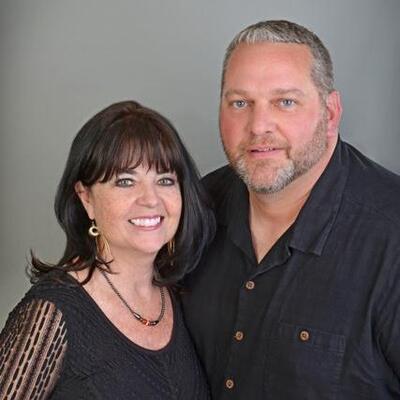
    Holly Abel Grimm & Rich Grimm
     

    and continue searching within a tighter budget. This shift often slows sales but does not stop activity altogether.Higher interest rates tend to reduce competition among buyers. During low-rate periods, multiple offers and quick decisions are common. As rates increase, buyers become more selective and cautious. Homes

    may stay on the market longer, and negotiations become more balanced. For buyers who remain active, this environment can offer more time to evaluate options and make thoughtful decisions.Sellers experience market shifts differently. In a higher-rate environment, pricing becomes more critical than ever. Buyers are less likely to stretch beyond perceived value, even in desirable neighborhoods. Homes priced accurately for current conditions tend to perform better than those relying on last year’s peak values. Adjusting expectations doesn’t mean sacrificing value; it means aligning with today’s buyer mindset.Local market trends in...

    Rectangle

    The most successful real estate decisions come from understanding how local buyers and sellers are responding right now, not from re...

    About the Author

    Holly Abel Grimm & Rich Grimm are licensed Ohio real estate agents serving Tuscarawas County and the surrounding areas. They have helped buyers and sellers since 1990 and hold the Graduate Realtor Institute designation. Their work focuses on residential homes, rural properties, and guiding clients through informed, ethical transactions while supporting local community causes.

    HelloNew Philadelphia, Ohio • Summer Issue | 7

  •  

    FEATURED STORY

    How to Know If Your Roof Needs Repair or Replacement

    by Mike Hicks


    Commercial and industrial property owners often ask how long a roof is expected to last. The answer depends on several factors, including the roofing system, environmental exposure, and maintenance history. Understanding these variables helps owners plan responsibly and avoid unexpected disruptions.Different roofing systems age at different rates. Flat roof systems such as single ply membranes, built up roofing, and modified bitumen each have unique strengths and vulnerabilities. Metal roofing systems typically last longer but can be affected by fastener wear, expansion,

    8 | HelloNew Philadelphia, Ohio • Summer Issue

     
    Feature Graphic
    Mike Hicks

    ABOUT THE AUTHOR
    Mike Hicks is a third-generation roofing professional who became leader of the family business in 1999, continuing a legacy that began with his grandfather. Upholding traditions of integrity, craftsmanship, and service excellence, Mike takes pride in delivering quality roofing solutions built on decades of family values and industry experience.

    and corrosion over time.Weather exposure plays a significant role in roof longevity. Constant sunlight causes ultraviolet degradation that slowly breaks down roofing materials. Regions with high heat, heavy rain, hail, or strong winds often see faster wear compared to more moderate climates.Ponding water is a common issue on flat and low slope roofs. When water remains on the surface for extended periods, it accelerates membrane deterioration and increases the likelihood of leaks. Poor drainage shortens roof lifespan even when materials were properly installed. Only the very best of products do not exclude

  • HelloNew Philadelphia, Ohio • Summer Issue | 9

     
    Rectangle

    How to Know If Your Roof Needs Repair or Replacement

    Commercial and industrial property owners often ask how long a roof is expected to last. The answer depends on several factors, including the roofing system, environmental exposure, and maintenance history. Understanding these variables helps owners plan responsibly and avoid unexpected disruptions.
    Different roofing systems age at different rates. Flat roof systems such as single ply membranes, built up roofing, and modified bitumen each have unique strengths and vulnerabilities. Metal roofing systems typically last longer but can be affected by fastener wear, expansion, and corrosion over time.Weather exposure plays a significant role in roof longevity. Constant sunlight causes ultraviolet degradation that slowly breaks down roofing materials. Regions with high heat, heavy rain, hail, or strong winds often see faster wear compared to more moderate climates.
    Ponding water is a common issue on flat and low slope roofs. When water remains on the surface for extended periods, it accelerates membrane deterioration and increases the likelihood of leaks. Poor drainage shortens roof lifespan even when materials were properly installed. Only the very best of products do not exclude ponding water conditions from the warranty coverage.
    Foot traffic and rooftop equipment also contribute to aging. HVAC units, exhaust fans, and service walkways concentrate weight and movement in specific areas. Without proper protection, these zones experience faster wear than surrounding roof sections.
    Maintenance history is one of the most influential lifespan factors. Roofs that receive regular inspections and minor repairs often outperform neglected systems. Small issues addressed early prevent moisture intrusion and structural damage beneath the surface.
    Routine commercial roof inspections allow property owners to identify wear early and plan repairs or replacement before major failures occur. Inspections typically focus on seams, flashing, drainage points, and areas around rooftop penetrations. These assessments provide a clearer picture of overall roof health.
    Installation quality also affects longevity. Even durable materials can fail prematurely if improperly installed. Seam integrity, insulation attachment, and flashing details all influence long term performance. My father used to say that he could deliver a water-proof roof using asphalt coated toilet paper. It was simply his way of stressing the importance of EXPERIENCED INSTALLERS.

    Energy performance considerations sometimes reveal aging problems. Older roofs may lose insulation effectiveness as moisture infiltrates the system. This can increase heating and cooling costs while placing additional strain on building systems.
    As a roof approaches the end of its expected service life, performance often becomes less predictable. Leaks may appear more frequently, and repairs may offer diminishing returns. At this stage, planning ahead becomes more important than reacting to failures.
    Understanding how roofing systems age helps property owners make informed decisions. Lifespan is not defined by a fixed number of years, but by conditions, care, and performance trends. When these factors are monitored consistently, costly surprises become far less likely.

    When a roof requires frequent repairs within a short period, replacement often becomes the more practical and cost effective option.

    ponding water conditions from the warranty coverage.Foot traffic and rooftop equipment also contribute to aging. HVAC units, exhaust fans, and service walkways concentrate weight and movement in specific areas. Without proper protection, these zones experience faster wear than surrounding roof sections.Maintenance history is one of the most influential lifespan factors. Roofs that receive regular inspections and minor repairs often outperform neglected systems. Small...

  • Partners & Associations
    The HelloNation Network
    Partners &
    Associations
    HelloNation is America’s Video Magazine, telling the story of more than 30,000 towns and cities. We don’t do it alone. From national civic leaders to the statewide associations rooted right here in Ohio, these partners help make every community visible — and every local voice heard.
    “Where Good News Travels Faster.”
    Association categories
    National
  • Partners & Associations
    HelloNew Philadelphia, Ohio

    HelloNew Philadelphia, Ohio • Summer Issue | 47

  • National Partner
    National
    U.S. Conference of Mayors

    48 | HelloNew Philadelphia, Ohio • Summer Issue

    U.S. Conference of Mayors

    Every city has its own personality — its own traffic headaches, its own budget fights, its own hopes for the next generation. But the mayors who run those cities, from the biggest metros to mid-sized towns, share more problems than you might expect. For nearly a century, they've had one place to solve them together: the United States Conference of Mayors — an organization HelloNation is proud to partner with. The Conference was born in the depths of the Great Depression. In 1932, with cities near bankruptcy and unemployment lines stretching around the block, Detroit's mayor invited his counterparts from across the country to confront the crisis as one. Twenty-nine mayors answered the call, traveled to Washington together, and helped win the first federal relief ever sent directly to America's cities. They formalized their alliance soon after, and the Conference has been the nation's leading voice for cities ever since. Today it's the official nonpartisan organization of U.S. cities with populations of 30,000 or more — roughly 1,400 of them — each represented by its mayor. Democrats, Republicans, and independents sit at the same table, because potholes, public safety, and housing costs don't belong to any one party. The Conference's job is to make sure that when Washington writes laws and budgets, the people who actually run America's cities are in the room. Why should that matter to you? Because the issues the Conference weighs in on land squarely in your daily life. When mayors press Congress on infrastructure, they're talking about the roads you drive and the water you drink. When they publish their annual survey on hunger and homelessness, they're putting hard local data behind problems you see in your own community. And when they share what's working in one city — a smarter transit idea, a program that got families housed — that idea can travel to yours. The Conference is, in effect, a clearinghouse for the best ideas in American local government, plus a megaphone to make sure cities aren't forgotten when federal priorities are set. It has been on the front lines of history, too. President Kennedy chose the Conference's annual meeting to introduce the ideas that would become the Civil Rights Act. Decade after decade, on issues from economic recovery to public safety, the nation's mayors have used this forum to lead. For a resident, the Conference is a reminder that your mayor isn't working in isolation. Behind that one local leader stands a national network of peers, all trading solutions and pushing to bring resources home. And the closer that leadership and help sit to your community, the stronger that community becomes — which is exactly why the work of America's mayors, together, is worth paying attention to.
  • Partners & Associations
    National
    National Partner
    The Room Where America's Mayors Get Things Done
    Founded
    1932
    Cities
    1,400
    Headquarters
    Washington, D.C.

    Every city has its own personality — its own traffic headaches, its own budget fights, its own hopes for the next generation. But the mayors who run those cities, from the biggest metros to mid-sized towns, share more problems than you might expect. For nearly a century, they've had one place to solve them together: the United States Conference of Mayors — an organization HelloNation is proud to partner with.

    The Conference was born in the depths of the Great Depression. In 1932, with cities near bankruptcy and unemployment lines stretching around the block, Detroit's mayor invited his counterparts from

    across the country to confront the crisis as one. Twenty-nine mayors answered the call, traveled to Washington together, and helped win the first federal relief ever sent directly to America's cities. They formalized their alliance soon after, and the Conference has been the nation's leading voice for cities ever since.

    Today it's the official nonpartisan organization of U.S. cities with populations of 30,000 or more — roughly 1,400 of them — each represented by its mayor. Democrats, Republicans, and independents sit at the same table, because potholes, public safety, and housing costs...

    “Great cities are built one good decision at a time, by leaders who know their neighbors by name.”
    In partnership with HelloNation • Visit USCM

    HelloNew Philadelphia, Ohio • Summer Issue | 49

  • National Partner
    National
    National Partner
    National League of Cities

    Cities, towns, and villages are where life actually happens — where you go to work, raise a family, and count on someone to plow the street and keep downtown's lights on. The people who lead those places, from big-city mayors to small-town council members, have spent a hundred years pooling their wisdom through one organization: the National League of Cities — a partner HelloNation is proud to work alongside.

    Its story began on a December morning in 1924, when ten state municipal leagues gathered in a classroom at the University of Kansas. Their goal was simple but ambitious: create a single national...

    Founded
    1924
    Cities
    19,000+
    Headquarters
    Washington, D.C.

    50 | HelloNew Philadelphia, Ohio • Summer Issue

  • These influential entities advocate tirelessly on behalf of America's cities, towns and villages — ensuring every community's voice is heard on a national scale.”
    In partnership with HelloNation • Visit NLC

    HelloNew Philadelphia, Ohio • Summer Issue | 51

    National League of Cities

    Cities, towns, and villages are where life actually happens — where you go to work, raise a family, and count on someone to plow the street and keep downtown's lights on. The people who lead those places, from big-city mayors to small-town council members, have spent a hundred years pooling their wisdom through one organization: the National League of Cities — a partner HelloNation is proud to work alongside.

    Its story began on a December morning in 1924, when ten state municipal leagues gathered in a classroom at the University of Kansas. Their goal was simple but ambitious: create a single national organization where local leaders could swap ideas, learn from one another, and speak with one voice in Washington. That small meeting grew into the oldest and largest organization representing America's municipalities. Today the National League of Cities represents more than 19,000 cities, towns, and villages — from the largest metropolis to the smallest hamlet — through its direct members and partnerships with state municipal leagues across the country.

    The League's mission is to advocate for local governments, strengthen local leadership, and spread solutions that work. It lobbies Congress on the issues that shape communities — infrastructure, housing, public safety, families — guided by a principle every local official appreciates: no unfunded mandates, and respect for local decision-making. It also trains elected leaders, publishes research, and helps cities of every size tap federal resources, like the infrastructure funding that repairs bridges and upgrades water systems.

    Why does this matter to you?

    Because the League exists to make sure your town — whatever its size — isn't drowned out. A village of a few thousand people can't station a lobbyist in Washington, but through the National League of Cities, its voice still reaches the national conversation. And when your city council runs into a hard problem, odds are another community has already found a solution worth borrowing; the League is how those lessons travel. Its programs focused on children, youth, and families work to improve outcomes for the next generation right where they live.

    In short, the League helps your local leaders do their jobs better — and helps ensure that decisions made far away still account for life in your neighborhood.

    A hundred years after ten people sat down around a table in Kansas, the through-line hasn't changed: local leaders are the ones who get things done, and they're strongest when they work together. That's a quietly hopeful idea, and it holds up whether you live in a city of millions or a town with a single stoplight.

  • National Partner
    National
    National Partner
    National Association of Counties

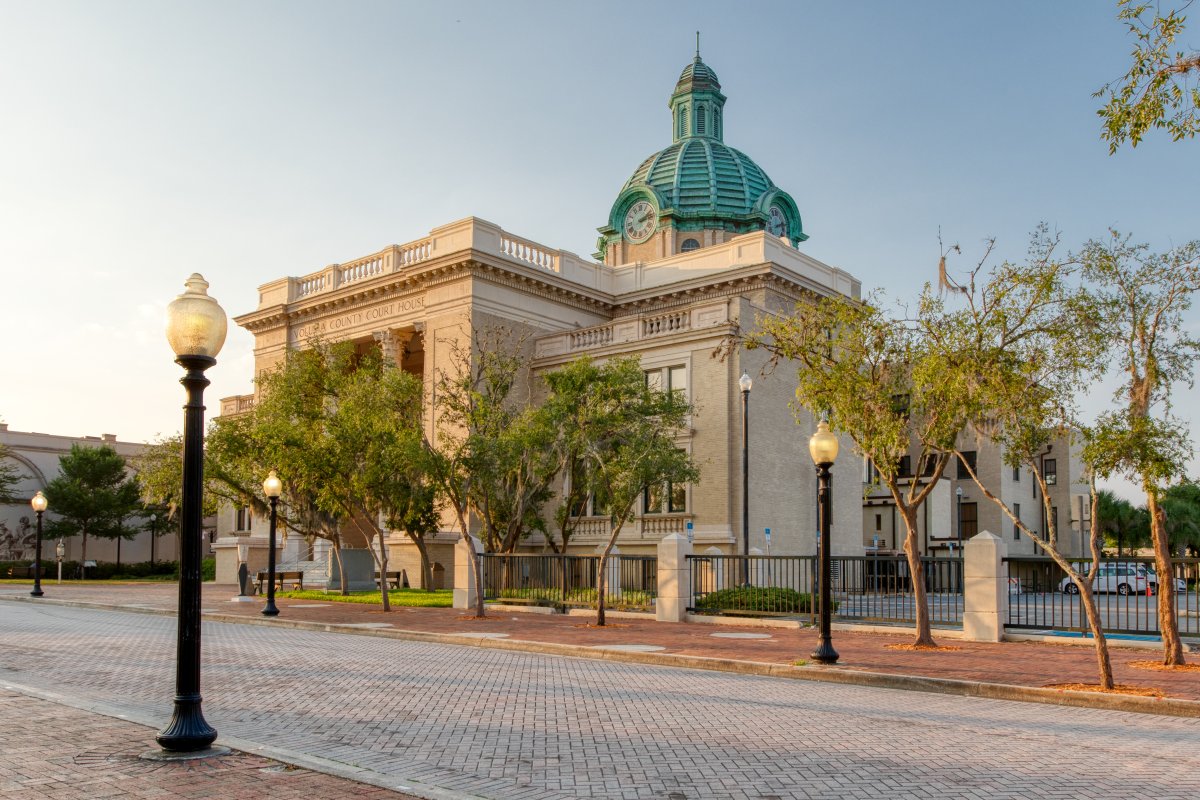
    Chances are you can name your mayor, and maybe your governor. But can you name a single thing your county government does? If not, you're in good company — and you're also relying on it more than you realize. The county is the quiet layer of American government that maintains the roads, staffs the health department, keeps the courthouse open, and shows up when disaster strikes. And for ninety years, America's counties have had a national champion: the National Association of Counties, a national organization HelloNation is proud to partner with.

    NACo was founded in 1935, during the upheaval of the New Deal,...

    Founded
    1935
    Counties
    3,000+
    Headquarters
    Washington, D.C.

    52 | HelloNew Philadelphia, Ohio • Summer Issue

  • Counties are where policy meets people — and HelloNation helps tell that story town by town.”
    In partnership with HelloNation • Visit NACo

    HelloNew Philadelphia, Ohio • Summer Issue | 53

    National Association of Counties

    Chances are you can name your mayor, and maybe your governor. But can you name a single thing your county government does? If not, you're in good company — and you're also relying on it more than you realize. The county is the quiet layer of American government that maintains the roads, staffs the health department, keeps the courthouse open, and shows up when disaster strikes. And for ninety years, America's counties have had a national champion: the National Association of Counties, a national organization HelloNation is proud to partner with.

    NACo was founded in 1935, during the upheaval of the New Deal, when county officials realized that a form of government older than the states themselves risked being overlooked as Washington expanded. They organized to make sure counties had a seat at the national table. Today NACo is the only national organization representing county governments — all 3,069 of them — serving nearly 40,000 elected county officials and the 3.6 million people who work for county governments across the country.

    What do counties actually do? More than most people imagine. Counties own more road miles than any other level of government — over 1.8 million of them — plus tens of thousands of bridges. They run public health departments, emergency management, jails and courts, and, in most of the country, elections. When you vote, call 911, cross a county bridge, or visit a public clinic, you're using county government.

    NACo's role is to strengthen all of that. It advocates for counties in federal policymaking, researches and spreads solutions that work, helps counties save taxpayer money through shared purchasing, and develops local leaders. When a good idea takes root in one county — a mental-health crisis center, a smarter way to invest opioid-settlement dollars — NACo helps carry it to counties nationwide.

    Why does that matter to you?

    Because counties deliver the services you're most likely to need — on your worst day and your most ordinary one alike — and they often do it with tight budgets and little fanfare. When counties have a strong national voice, they're better equipped to keep your roads safe, your water clean, your emergency services staffed, and your elections running. NACo's work happens far from most residents' attention, but its results show up in your community every single day.

    There's history in it, too. What began in 1935 as a small band of county officers fighting to be taken seriously has grown into a nearly century-old institution — proof of how much steady, unglamorous local government matters to the country, and to the people it quietly serves every day. The next time your county keeps a road open, staffs a clinic, or runs an election without a hitch, know that a national network stands behind that work, helping make sure it holds.

  • National Partner
    National
    U.S. First Responders Association

    54 | HelloNew Philadelphia, Ohio • Summer Issue

    U.S. First Responders Association

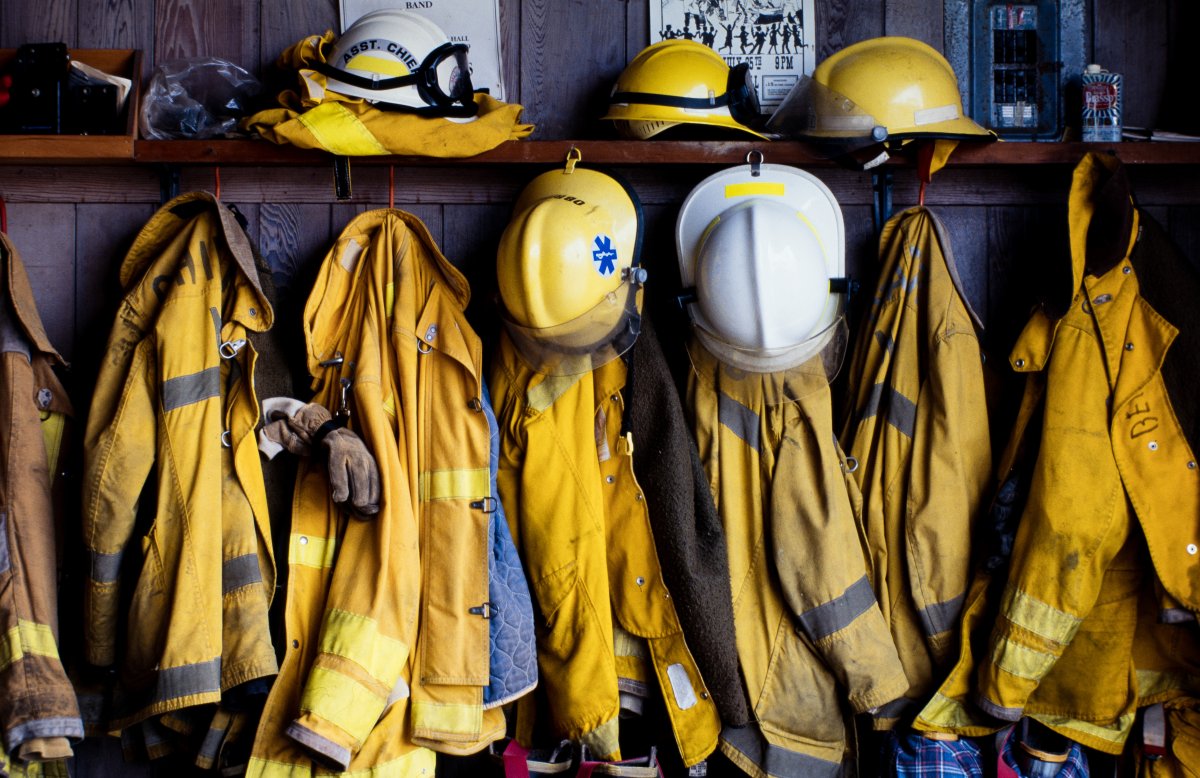
    When the worst moment of your life arrives — a fire, a crash, a medical emergency, a natural disaster — the people who show up are first responders. Firefighters, police officers, paramedics, rescue crews, 911 dispatchers, and the volunteers who back them up run toward the trouble everyone else is running from. The U.S. First Responders Association exists to support the people who do that job.

    USFRA is a national nonprofit that brings together first responders from across every discipline — fire, EMS, law enforcement, dispatch, and military, along with veterans and civilian volunteers — into a single professional and social network. It describes itself as the only national nonprofit that embraces all aspects of first (and secondary) response, and its focus is practical: training, tactics, safety, education, disaster preparation, and community outreach. In plain terms, it helps the people who protect your community share what they know, stay safer on the job, and prepare for the emergencies they hope never come.

    The association's reach shows up when it matters most. Over the years, USFRA has helped channel support to responders on the front lines of catastrophe — organizing disaster relief after hurricanes battered the Florida panhandle, backing crews battling wildfires in Southern California, and getting needed supplies to responders in the field. It also works to strengthen the bond between first responders and the communities and local businesses that stand behind them, connecting the people who serve with the neighbors who want to support them. That spirit carries into new efforts to honor responders publicly, including a national awards show, launched with broadcast partners, created to celebrate the people behind the badge and the uniform.

    Why does that matter to you?

    Because the quality of the help you receive in an emergency depends on how well-trained, well-supported, and well-connected your local responders are. A firefighter with access to the latest safety practices, a dispatcher plugged into a national network of peers, a volunteer department that got help preparing for disaster — all of that translates directly into better outcomes for you and your family when seconds count. Supporting first responders isn't abstract; it's an investment in your own community's safety.

    There's a human side, too. First responders carry heavy burdens, and organizations that build fellowship, share resources, and remind them they aren't alone are part of keeping them whole — which, in turn, keeps them ready to serve.

    That shared commitment to safe, connected communities is why HelloNation is proud to work alongside the U.S. First Responders Association. The men and women who protect our neighborhoods deserve to be recognized and supported by the communities they serve — and we're glad to help tell their story.

  • Partners & Associations
    National
    National Partner
    The People Who Run Toward Trouble — and the Network Behind Them

    When the worst moment of your life arrives — a fire, a crash, a medical emergency, a natural disaster — the people who show up are first responders. Firefighters, police officers, paramedics, rescue crews, 911 dispatchers, and the volunteers who back them up run toward the trouble everyone else is running from. The U.S. First Responders Association exists to support the people who do that job.

    USFRA is a national nonprofit that brings together first responders from across every discipline — fire, EMS, law enforcement, dispatch, and military, along with veterans and civilian volunteers — into a single

    professional and social network. It describes itself as the only national nonprofit that embraces all aspects of first (and secondary) response, and its focus is practical: training, tactics, safety, education, disaster preparation, and community outreach. In plain terms, it helps the people who protect your community share what they know, stay safer on the job, and prepare for the emergencies they hope never come.

    The association's reach shows up when it matters most. Over the years, USFRA has helped channel support to responders on the front lines of catastrophe — organizing disaster...

    “When the worst moment of your life arrives — a fire, a crash, a medical emergency, a natural disaster — the people who show up are first responders.”
    In partnership with HelloNation • Visit USFRA

    HelloNew Philadelphia, Ohio • Summer Issue | 55

  • Rectangle

    © HelloNation.

    All Rights Reserved