Community Revitalization Through Real Estate: A Builder’s Perspective on What Lasts
There’s a difference between real estate development and community revitalization. One is about buildings. The other is about people. Over the years, I’ve come to understand that the most meaningful projects we’ve been part of weren’t just about what went up—they were about what came back.In many of
the cities we’ve worked in, we’ve encountered neighborhoods shaped by years of disinvestment. That kind of erosion isn’t solved by new construction alone. It takes listening, patience, and collaboration with those who’ve been holding the place together long before we arrived.Our role is often to
2 | HelloDowagiac, Michigan • Summer Issue
Community Revitalization Through Real Estate: A Builder’s Perspective on What Lasts
There’s a difference between real estate development and community revitalization. One is about buildings. The other is about people. Over the years, I’ve come to understand that the most meaningful projects we’ve been part of weren’t just about what went up—they were about what came back. In many of the cities we’ve worked in, we’ve encountered neighborhoods shaped by years of disinvestment. That kind of erosion isn’t solved by new construction alone. It takes listening, patience, and collaboration with those who’ve been holding the place together long before we arrived. Our role is often to reintroduce stability. That might mean converting vacant lots into housing that families can count on, or updating old properties in ways that keep residents in place rather than pushing them out. In some cases, it means building partnerships—with local nonprofits, service providers, or neighborhood associations—to align our work with what’s already happening on the ground. “Revitalization, at its best, doesn’t overwrite a neighborhood—it reinforces what’s already there and gives it room to grow.” We’ve learned not to measure success by what’s newly built, but by how long it lasts and how well it fits. A revitalized block should feel coherent, not imposed. The right development brings light to a place without erasing its texture. Community revitalization isn’t a strategy. It’s a responsibility. When approached with humility and long-term thinking, real estate can do more than change the skyline. It can help re-anchor the neighborhoods people already call home.
Robert Morgan
reintroduce stability. That might mean converting vacant lots into housing that families can count on, or updating old properties in ways that keep residents in place rather than pushing them out. In some cases, it means building partnerships—with local nonprofits, service providers, or neighborhood associations—to
align our work with what’s already happening on the ground.“Revitalization, at its best, doesn’t overwrite a neighborhood—it reinforces what’s already there and gives it room to grow.”We’ve learned not to measure success by what’s newly built, but by how long it lasts and how well it fits. A revitalized block should feel coherent, not imposed. The right development brings light to a place without erasing its texture.Community revitalization isn’t a strategy. It’s a responsibility. When approached with humility and long-term thinking, real estate can do more than change the skyline. It can help re-anchor the neighborhoods...
“Revitalization, at its best, doesn’t overwrite a neighborhood—it reinforces what’s already there and gives it room to grow.”
About the Author
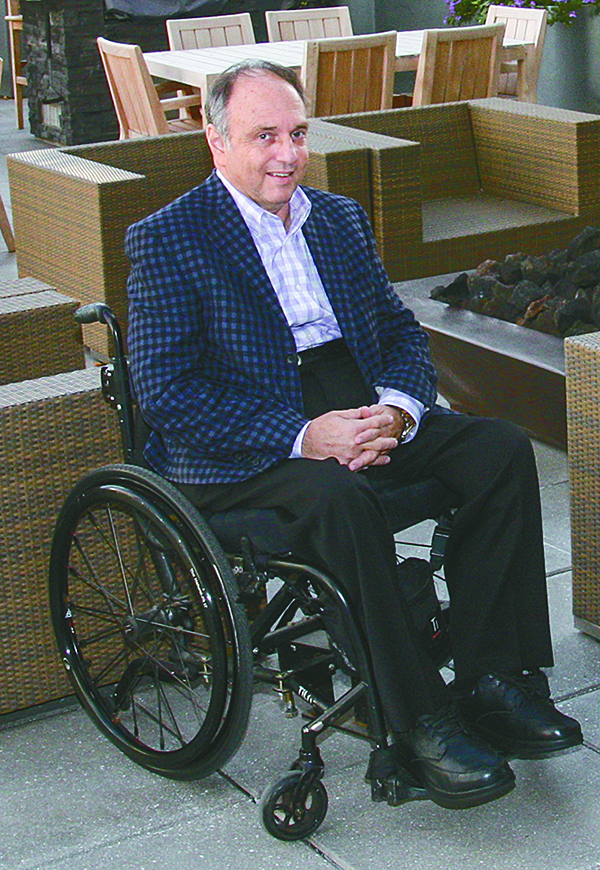
Bob Morgan, a prominent real estate developer in Rochester, NY, has significantly influenced the city's landscape through transformative projects like the redevelopment of Midtown Tower and the Strathallan Hotel. His philanthropic efforts include a $3 million donation to the University of Rochester Medical Center and a fundraising campaign for the Ronald McDonald House Charities. Bob Morgan has been steadfast by continuing to contribute to Rochester's development, including plans for a new H...