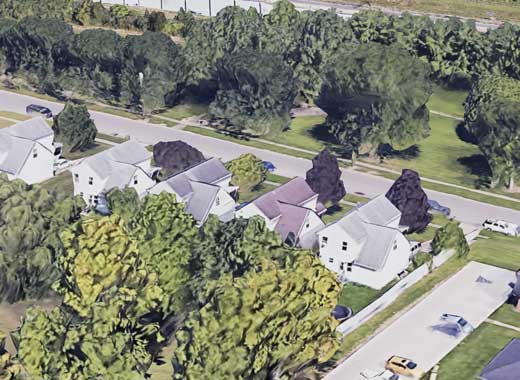
Redding, California is a destination brimming with natural beauty and hidden gems waiting to be discovered. Surrounded by breathtaking landscapes, living in Redding means you're just minutes away from the shimmering waters of Shasta Lake and the awe-inspiring Lassen Volcanic National Park. These local treasures make the town a haven for outdoor enthusiasts, offering endless opportunities for hiking, fishing, and kayaking amidst stunning scenery.
But Redding is more than just its picturesque outdoors. This dynamic city fosters a warm and welcoming community, where creativity and local pride go hand-in-hand. The downtown district is thriving with unique shops, art galleries, and a blossoming food scene that showcases the region’s rich agricultural bounty. From family-owned cafes to vibrant farmers' markets, Redding provides a delightful culinary journey that satisfies all palates.
Living in Redding also means experiencing a city that values education and innovation. With its excellent schools and community programs, it has become a nurturing environment for families to grow. Add to this the sunny weather and the friendly atmosphere, and Redding proves to be a place where people don’t just live, but thrive. Whether you're s...
Discover the Vibrant Community of Redding,
4 | HelloRedding, California • Spring Issue
Discover the Vibrant Community of Redding, California
Redding, California is a destination brimming with natural beauty and hidden gems waiting to be discovered. Surrounded by breathtaking landscapes, living in Redding means you're just minutes away from the shimmering waters of Shasta Lake and the awe-inspiring Lassen Volcanic National Park. These local treasures make the town a haven for outdoor enthusiasts, offering endless opportunities for hiking, fishing, and kayaking amidst stunning scenery.
But Redding is more than just its picturesque outdoors. This dynamic city fosters a warm and welcoming community, where creativity and local pride go hand-in-hand. The downtown district is thriving with unique shops, art galleries, and a blossoming food scene that showcases the region’s rich agricultural bounty. From family-owned cafes to vibrant farmers' markets, Redding provides a delightful culinary journey that satisfies all palates.
Living in Redding also means experiencing a city that values education and innovation. With its excellent schools and community programs, it has become a nurturing environment for families to grow. Add to this the sunny weather and the friendly atmosphere, and Redding proves to be a place where people don’t just live, but thrive. Whether you're seeking adventure or tranquility, Redding invites you to build a life amidst its endless possibilities.
Hello Redding, California • Spring Issue |5
Discover the Vibrant Community of Redding,
What to Know Before Starting Lineman Training in Northern California
People who enter a lineman training program in Northern California often want a clear picture of what the work involves and how demanding the training can be. The job carries a reputation for long days, difficult weather, and a strong focus on safety. Many students arrive with basic outdoor experience,
yet the program quickly shows them how different electrical lineworker training can be from a typical physical job. The combination of heights, heavy gear, and technical instruction requires steady focus from the first week.Most programs in Northern California begin with fundamentals that help
6 | HelloRedding, California • Spring Issue
What to Know Before Starting Lineman Training in Northern California
People who enter a lineman training program in Northern California often want a clear picture of what the work involves and how demanding the training can be. The job carries a reputation for long days, difficult weather, and a strong focus on safety. Many students arrive with basic outdoor experience, yet the program quickly shows them how different electrical lineworker training can be from a typical physical job. The combination of heights, heavy gear, and technical instruction requires steady focus from the first week. Most programs in Northern California begin with fundamentals that help students understand how the power grid works. Instructors walk trainees through basic electricity, system components, and the safety rules that govern every task. Classroom hours support field practice, but the field work is what most students remember. Climbing is introduced early, and many people discover that it takes more coordination than they expected. Climbing hooks, belts, and proper stance all matter, and small mistakes can slow progress. Training around Redding, Chico, and other parts of Northern California pays close attention to weather and terrain. The region sees hot summers, wet winters, and steady wind across open valleys. Students learn how to handle gear with gloves that can feel stiff in cold conditions, and they practice rescue drills repeatedly. The drills teach teamwork and calm decision making because field crews rely on each other during real emergencies. Instructors explain that confidence grows when each student understands the limits of equipment and how to manage risks step by step. Lineman training also includes long days outdoors, which prepares students for the pace of the job. A typical training day can involve several hours of climbing practice, knot tying, tool handling, and pole top exercises. Breaks help students manage fatigue, but instructors watch closely for signs of strain. Many trainees say the physical work is challenging at first, yet they adapt as their balance and strength improve. The training encourages a smooth rhythm of motion on the pole, which reduces effort and increases safety. Some people wonder if it is hard to become a lineman in California. The honest answer is that the difficulty depends on a person’s physical comfort and willingness to learn. Programs expect students to follow detailed safety rules every day. They also expect students to accept coaching without hesitation, because experienced linemen know how small errors can become serious problems. The most successful trainees are steady on the pole, patient with the learning curve, and able to stay focused when conditions become uncomfortable. These traits help them build the habits needed for the broader apprenticeship process that follows completion of a training program. Northern California programs also address certifications required for entry into the trade. Students receive instruction in first aid, CPR, and basic electrical safety procedures. Some programs include flagging certification or equipment familiarization with bucket trucks and digger derricks. The goal is to prepare students for the expectations of utilities and contractors that operate across the state. Graduates still face several years of apprenticeship, but they begin that path with a strong understanding of field routines. People looking for how to become a lineman in Redding or nearby areas usually start by visiting training programs that match their schedule and physical readiness. Talking with instructors can help clarify what to expect from the first few weeks. The training is meant to build confidence while revealing the true nature of linework, and many students appreciate the straightforward approach. By the end of the program, they have a realistic sense of what the job will demand from them throughout a career.
Roger Smith
students understand how the power grid works. Instructors walk trainees through basic electricity, system components, and the safety rules that govern every task. Classroom hours support field practice, but the field work is what most students remember. Climbing is introduced early, and many people discover that it
takes more coordination than they expected. Climbing hooks, belts, and proper stance all matter, and small mistakes can slow progress.Training around Redding, Chico, and other parts of Northern California pays close attention to weather and terrain. The region sees hot summers, wet winters, and steady wind across open valleys. Students learn how to handle gear with gloves that can feel stiff in cold conditions, and they practice rescue drills repeatedly. The drills teach teamwork and calm decision making because field crews rely on each other during real emergencies. Instructors explain that confidence grows when each student...
The most successful trainees are steady on the pole, patient with the learning curve, and able to stay focused when conditions becom...
About the Author
Roger Smith is the owner and Chief Administrator of American Career Training, a Redding-based trade school established in 1997. He oversees programs in electrical linework and commercial truck driving, focusing on hands-on instruction, workforce preparation and student support. Smith’s leadership emphasizes practical training, safety and community workforce development.
HelloRedding, California • Spring Issue |7
Risk Management in Retirement Portfolios
Preserving capital in retirement requires a deliberate approach to risk. As individuals in Redding and comparable communities transition from asset accumulation to income reliance, the construction of an investment portfolio must reflect a revised set of priorities. Chief among these is the mitigation
of volatility, particularly in the early years of retirement when the sequence of returns can significantly affect long-term outcomes.One of the foundational principles in risk-conscious portfolio design is diversification. This entails allocating investments across a range of asset classes,
8 | HelloRedding, California • Spring Issue
Risk Management in Retirement Portfolios
Preserving capital in retirement requires a deliberate approach to risk. As individuals in Redding and comparable communities transition from asset accumulation to income reliance, the construction of an investment portfolio must reflect a revised set of priorities. Chief among these is the mitigation of volatility, particularly in the early years of retirement when the sequence of returns can significantly affect long-term outcomes. One of the foundational principles in risk-conscious portfolio design is diversification. This entails allocating investments across a range of asset classes, including domestic and international equities, fixed-income securities, and cash equivalents. The objective is not simply to spread exposure but to reduce the likelihood that a downturn in any one sector will impair the portfolio's overall function. In practice, this may help protect against abrupt market shifts that might otherwise require the untimely liquidation of holdings. A retirement portfolio structured to temper volatility and sustain withdrawals is more likely to endure economic uncertainty. In addition to diversification, many retirees find it prudent to incorporate more conservative instruments into their portfolios. This may involve greater emphasis on government bonds, certificates of deposit, or dividend-producing equities. While such allocations may offer more modest returns, they can provide essential income streams and capital preservation, both of which are fundamental in the absence of earned wages. Risk management also includes the ongoing assessment of personal risk tolerance, which can shift over time. A retiree who enters retirement with a relatively aggressive posture may find, as years progress, that maintaining capital becomes a more pressing concern than seeking growth. Periodic portfolio reviews allow for thoughtful adjustments that align with current life circumstances and financial objectives. Geographic and economic considerations further inform risk strategy. In areas like Redding, where retirees often have exposure to both real estate and local economic variables, portfolio planning must account for potential concentration risks. A balanced portfolio acknowledges these external influences and counters them with broad-based holdings. Effective risk management in retirement is not about eliminating exposure to change; it is about anticipating it and making provisions in advance. This approach helps preserve the ability to meet essential expenses, maintain independence, and plan confidently across decades.
Disclaimer: Bright Lake Wealth Management is a state registered investment adviser in the state of California and Oregon. Registration as an investment adviser does not imply a certain level of skill or training. Form ADV Part 2A can be obtained by visiting https://adviserinfo.sec.gov and searching for our firm name. ADV Form 2B is available upon request. The information contained in this post is general in nature and for informational purposes only. It should not be considered as investment advice or as a recommendation of any particular strategy or investment product.
Ted Thatcher
including domestic and international equities, fixed-income securities, and cash equivalents. The objective is not simply to spread exposure but to reduce the likelihood that a downturn in any one sector will impair the portfolio's overall function. In practice, this may help protect against abrupt market shifts that
might otherwise require the untimely liquidation of holdings.A retirement portfolio structured to temper volatility and sustain withdrawals is more likely to endure economic uncertainty.In addition to diversification, many retirees find it prudent to incorporate more conservative instruments into their portfolios. This may involve greater emphasis on government bonds, certificates of deposit, or dividend-producing equities. While such allocations may offer more modest returns, they can provide essential income streams and capital preservation, both of which are fundamental in the absence of earned wages.Risk management also...
A retirement portfolio structured to temper volatility and sustain withdrawals is more likely to endure economic uncertainty.
About the Author
Ted grew up on a family farm in the Midwest, surrounded by cousins and adventure. Today, he leads a team that helps clients plan for retirement across five financial pillars. With a focus on personalized, tax-efficient strategies, Ted empowers people to fully enjoy their retirement years with confidence and clarity.