

What Makes Endodontic Care Different?
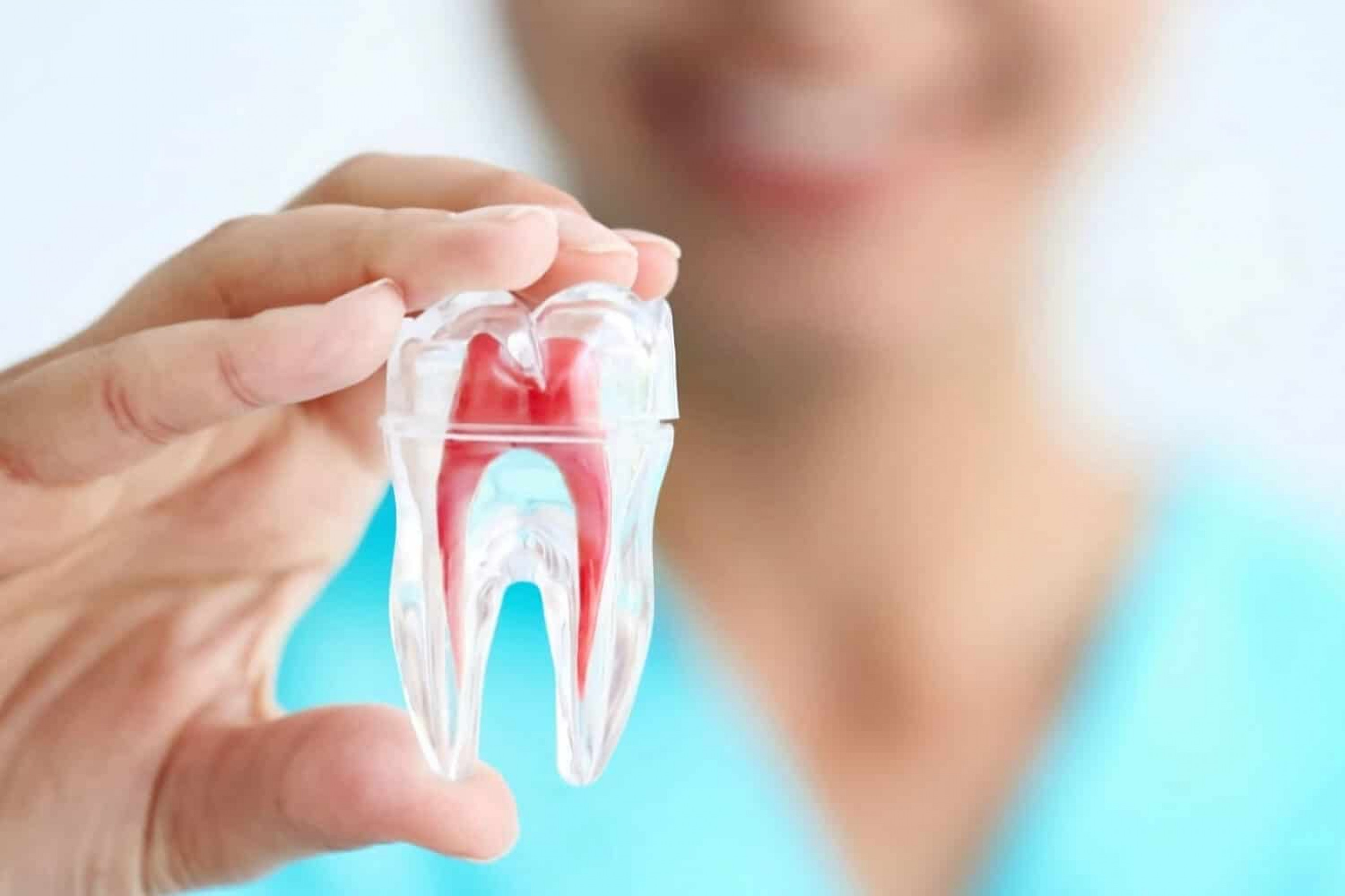
Endodontic care focuses on diagnosing and treating problems involving the soft tissue inside the tooth, and this work differs in important ways from the care patients receive during routine dental visits. Many people see a general dentist for cleanings, fillings, crowns, and preventive care, but endodontic care becomes essential when pain, infection, or injury reaches the inner soft tissue called the pulp. The pulp contains nerve fibers and blood vessels, so problems in this area can cause significant discomfort and, if untreated, can threaten the survival of the tooth. Understanding what makes endodontic care different helps patients appreciate why specialized treatment is sometimes necessary and how it protects the natural tooth.
One of the most notable differences is the training an endodontist receives. After dental school, an endodontist completes at least two additional years of advanced education devoted to diagnosing tooth pain, performing root canal therapy, and treating infections that develop within the tooth structure. This focused training allows an endodontist to work with precision inside narrow spaces that cannot be seen with the naked eye. General dentists receive broad training across many areas of dentistry, but endodontists build deep experience in a single specialty. Their daily work is centered on relieving pain, removing infection, and saving teeth that might otherwise require extraction.
Technology also sets endodontic care apart. Endodontists use various methods of magnification and lighting, specialized imaging, and advanced instruments designed for cleaning and shaping root canals. These tools allow them to see fine details that general dentists may not be able to detect during a routine exam. Root canal systems vary almost infinitely in shape and size, and navigating these spaces requires both experience and the right equipment. This combination of specialized training and specialized tools makes endodontic care highly effective at treating internal tooth problems that routine dentistry cannot address as precisely.
Another factor that distinguishes endodontic care is its focus on preserving the natural tooth. Many patients assume that a painful or infected tooth should be replaced, but endodontists concentrate on saving teeth whenever possible. Removing infection from the pulp, sealing the canals, and creating a stable foundation for a crown allows the tooth to function normally for many years. Keeping natural teeth is important because they maintain jaw structure, support healthy chewing, and help protect neighboring teeth from shifting. Endodontic care aims to restore comfort without sacrificing the natural tooth structure.
A further difference involves diagnosis. Some tooth problems are difficult to identify because they do not initially show clear signs on standard x-rays or surface inspections. Pain may vary in location, occur only when chewing, or come and go without warning. Endodontists are trained to recognize subtle patterns that point to hidden cracks or damaged pulp. Using detailed imaging and magnification, they can pinpoint the source of the problem more accurately than is often possible during a general exam. This accuracy helps guide the right treatment and prevents unnecessary procedures.
Endodontic care also plays a major role in treating dental trauma. Injuries from sports, accidents, or falls can damage the internal structure of a tooth even when the outside appears intact. An endodontist evaluates the root, pulp, and surrounding bone to determine whether the tooth can be saved. Early treatment increases the chances of preserving the natural tooth, especially in cases involving displacement, cracks, or complete avulsion of the tooth. General dentists handle many types of injuries, but endodontists provide the specialized treatment needed when trauma affects the internal tooth structures.
Patients also notice the difference in how pain is managed. Endodontists focus on treating the source of tooth pain rather than just the symptoms. Many people arrive with severe discomfort that has lasted days or even weeks. By addressing the infection or inflammation inside the tooth, endodontic care provides relief that is both immediate and lasting. General dentists handle many painful conditions as well, but endodontists concentrate on the most complex cases, which gives them extensive experience in helping patients feel comfortable again.
Another important point is efficiency. Because endodontists perform root canal therapy and related procedures many times every day, they work quickly and accurately. Their experience means fewer complications and a smoother treatment process. Many procedures take less time in the hands of a specialist, and patients appreciate the reduced discomfort and shorter appointments. This efficiency results from focused training and daily practice in a narrow but essential area of care.
Endodontic care stands apart from general dentistry because it deals with the internal structure of the tooth, relies on advanced tools, and requires specialized training. Both general dentists and endodontists play important roles, but endodontists step in when pain, infection, or injury involves the pulp tissue. Their goal is to save the natural tooth, relieve discomfort, and restore function. By understanding what makes endodontic care different, patients can feel confident when they receive a referral and know they are getting the level of care their situation requires.