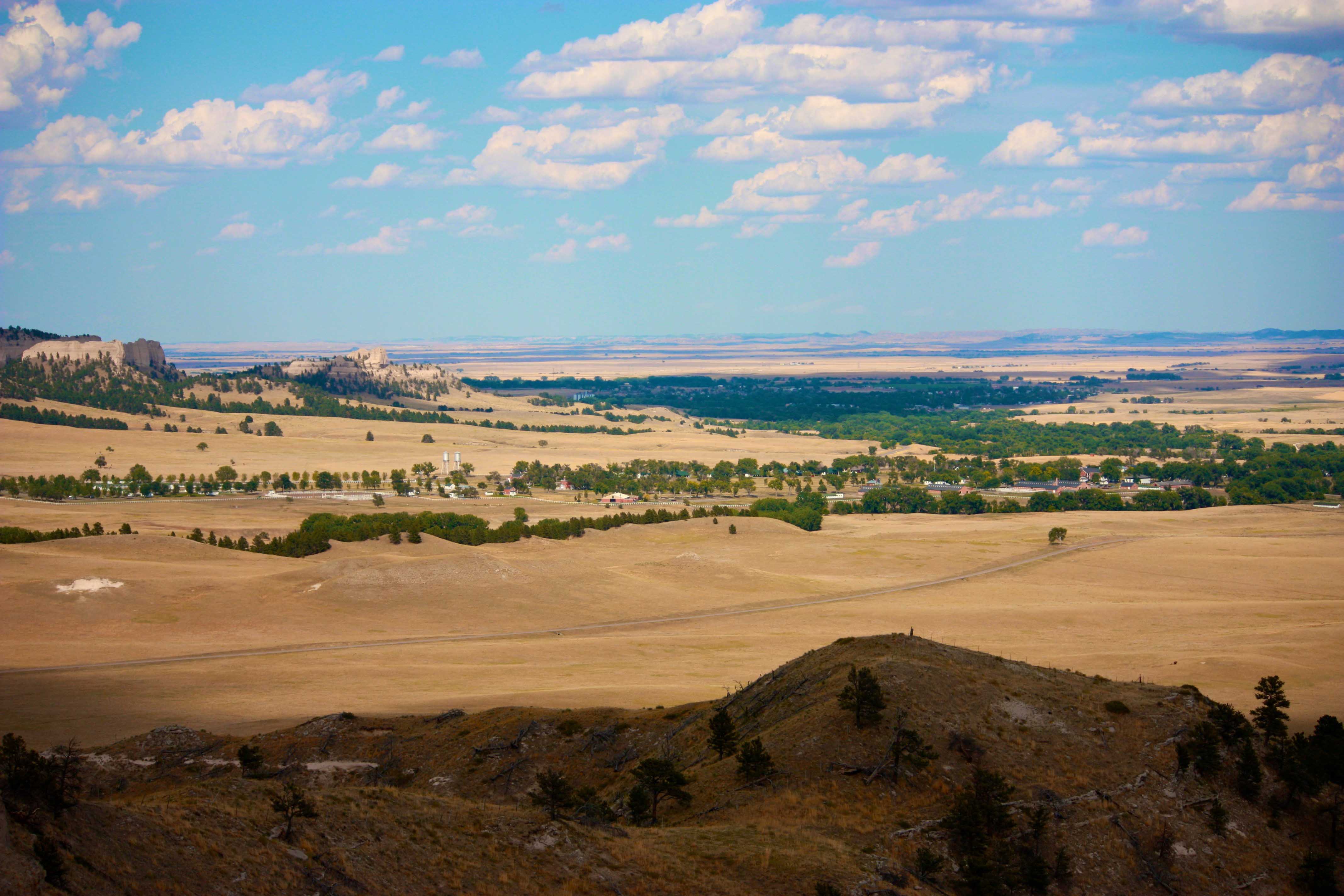
Welcome to Kearney, Nebraska, a gem in the American heartland that pulses with community spirit and rich history. With its strong sense of community and modern amenities, Kearney offers a harmonious blend of small-town charm and vibrant urban energy. Home to around 34,000 residents, this welcoming town is famous for its warm-hearted locals who greet everyone with open arms.
Nature enthusiasts can revel in the stunning beauty of the Platte River, especially
during the annual migration of the Sandhill Cranes, a spectacle like no other. Kearney's scenic parks and trails make it easy to stay active, whether you're biking along the trails or enjoying a peaceful afternoon picnic. The city's vibrant arts scene is alive in establishments like the Museum of Nebraska Art, which showcases the talent of local artists and enriches the cultural tapestry of the area.
Education and innovation thrive at the University of Nebraska at
Kearney, Nebraska
4 | HelloKearney, Nebraska • Fall Issue
Hello Kearney, Nebraska • Fall Issue |5
Kearney, fostering a youthful and dynamic atmosphere. The local economy is robust, creating a nurturing environment for budding entrepreneurs and established businesses alike. In Kearney, Nebraska, the future is bright, and opportunities abound. It's a place where tradition meets forward-thinking, making it the perfect destination to call home.
Kearney, Nebraska
Kearney, Nebraska: The Heartbeat of the Heartland
Welcome to Kearney, Nebraska, a gem in the American heartland that pulses with community spirit and rich history. With its strong sense of community and modern amenities, Kearney offers a harmonious blend of small-town charm and vibrant urban energy. Home to around 34,000 residents, this welcoming town is famous for its warm-hearted locals who greet everyone with open arms.
Nature enthusiasts can revel in the stunning beauty of the Platte River, especially during the annual migration of the Sandhill Cranes, a spectacle like no other. Kearney's scenic parks and trails make it easy to stay active, whether you're biking along the trails or enjoying a peaceful afternoon picnic. The city's vibrant arts scene is alive in establishments like the Museum of Nebraska Art, which showcases the talent of local artists and enriches the cultural tapestry of the area.
Education and innovation thrive at the University of Nebraska at Kearney, fostering a youthful and dynamic atmosphere. The local economy is robust, creating a nurturing environment for budding entrepreneurs and established businesses alike. In Kearney, Nebraska, the future is bright, and opportunities abound. It's a place where tradition meets forward-thinking, making it the perfect destination to call home.
Featured Story
What to Know Before TPLO Surgery
Choosing Tibial Plateau Leveling Osteotomy, or TPLO, is a major step in treating a dog’s cruciate ligament injury. To begin, carefully evaluate whether TPLO is the right option based on your pet’s breed, size, age, activity level, and overall health. This includes considering any conditions that might
complicate or healing. Before surgery, perform a full exam, blood work, and imaging studies to confirm your dog is a good candidate. If other medical issues are found, they need to be addressed before moving forward.
TPLO surgery changes the in the knee, which helps stabilize the joint without relying
6 | HelloKearney, Nebraska • Fall Issue
What to Know Before TPLO Surgery
Choosing Tibial Plateau Leveling Osteotomy, or TPLO, is a major step in treating a dog’s cruciate ligament injury. To begin, carefully evaluate whether TPLO is the right option based on your pet’s breed, size, age, activity level, and overall health. This includes considering any conditions that might complicate or healing. Before surgery, perform a full exam, blood work, and imaging studies to confirm your dog is a good candidate. If other medical issues are found, they need to be addressed before moving forward.
TPLO surgery changes the in the knee, which helps stabilize the joint without relying on the damaged ligament. The surgeon makes a precise cut in the bone, rotates the tibial segment, and secures it with a stainless steel plate and screws. This surgical approach delivers excellent long-term results, especially in larger or more active dogs. Recovery from TPLO typically lasts eight weeks. During the early phase, rest is key— high impact activities such as running, jumping, or playing . We guide owners through each phase of recovery, starting with restricted movement, then gradually increasing to short, controlled walks, and eventually reintroducing normal activity. Many pets also benefit from rehabilitation techniques laser treatments, shockwave therapy and underwater treadmill to support joint function.
While any surgery including TPLOs can experience complications, such as infection, these are rare. We stay involved in the weeks following surgery to catch any problems early. Swellinor loss of appetite can be warning signs that something isn’t right.
TPLO surgery is not the only treatment available, but the procedure does work for almost all pets regardless of size. . For partial ligament tears or less active pets, more conservative approaches could be considered. Each case is different, and our goal is to create a plan that balances medical need with the pet’s lifestyle and the owner’s ability to manage recovery. TPLO surgery can restore mobility and comfort—but requires thorough evaluation, structured recovery, and owner commitment for the best outcome.
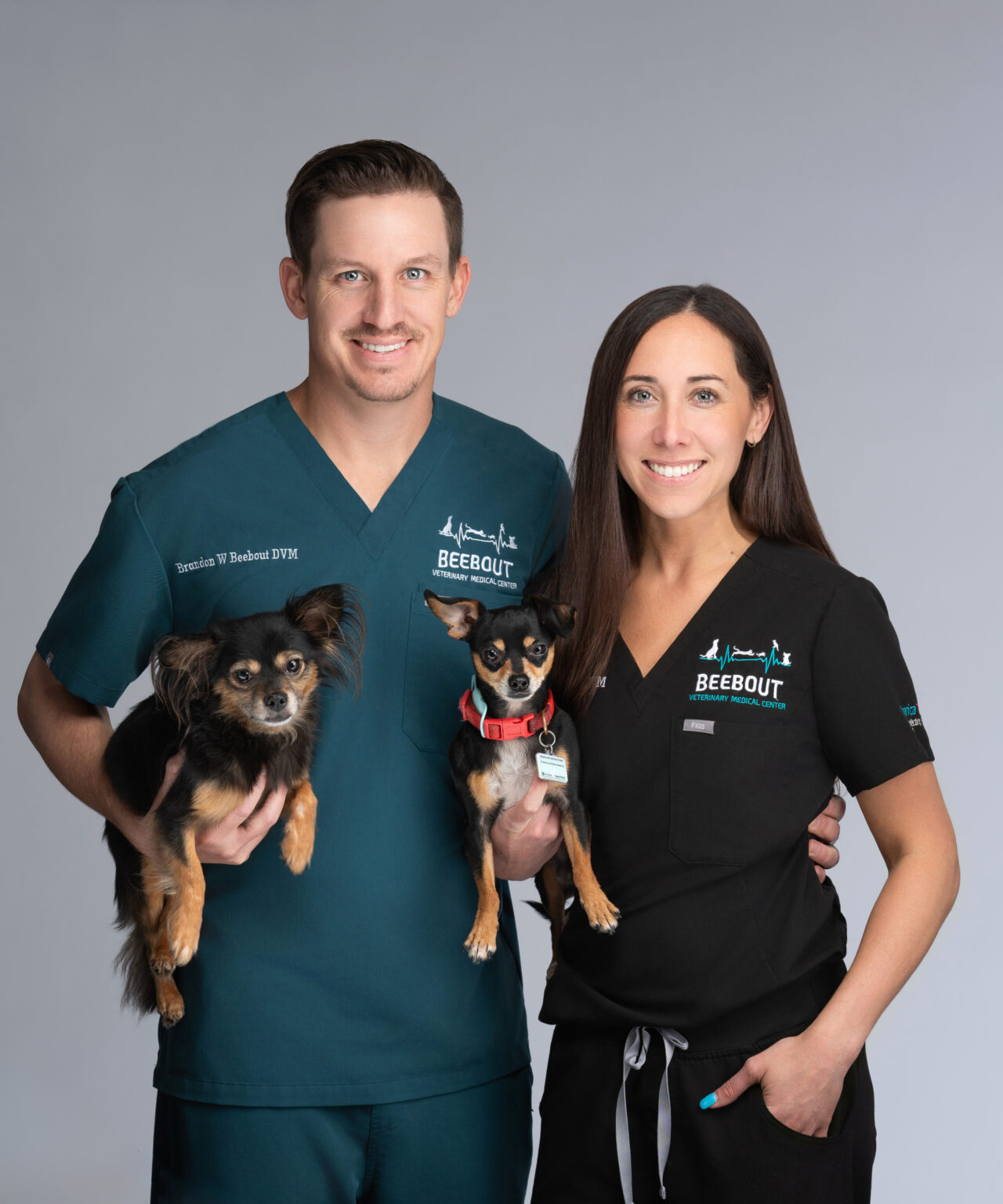
Dr. Brandon Beebout
lasts eight weeks. During the early phase, rest is key— high impact activities such as running, jumping, or playing . We guide owners through each phase of recovery, starting with restricted movement, then gradually increasing to short, controlled walks, and eventually reintroducing normal activity. Many pets also benefit from rehabilitation techniques laser treatments, shockwave therapy and underwater treadmill to support joint function.
While any surgery including TPLOs can experience complications, such as infection, these are rare. We stay involved in the weeks following surgery to catch...
on the damaged ligament. The surgeon makes a precise cut in the bone, rotates the tibial segment, and secures it with a stainless steel plate and screws. This surgical approach delivers excellent long-term results, especially in larger or more active dogs. Recovery from TPLO typically
TPLO surgery can restore mobility and comfort—but requires thorough evaluation, structured recovery, and owner commitment for the be...
About the Author
Drs. Brandon and Paola Beebout are the husband-and-wife veterinary team behind Beebout Veterinary Medical Center, which they purchased in 2020 to modernize and expand compassionate care in Kearney, Nebraska. Brandon, originally from Ainsworth, NE, specializes in internal medicine and orthopedics, while Pao, a native of Guaynabo, Puerto Rico and fluent in Spanish, focuses on soft tissue surgery and complex medical cases—together bringing advanced veterinary expertise and heartfelt service to their community.
HelloKearney, Nebraska • Fall Issue |7
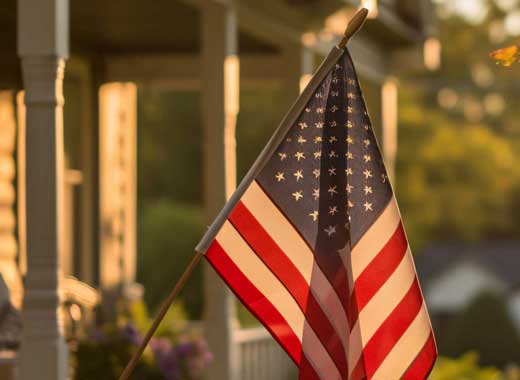
Hometown Heroes celebrates the brave men and women from Kearney who answered the call to serve. They left their homes, families, and communities to defend our freedoms. They brought with them the values of their upbringing, woven into the fabric of the communities they cherished. Across generations, these heroes stood united, embodying courage, sacrifice, and a love of country that knows no bounds. Whether on land, sea, or in
the skies, they carried the spirit of their hometowns with them, facing challenges with unyielding resolve and selflessness. We honor their service, their legacy, and the communities that raised them. Today, we remember not just their dedication but the strength and unity that bind us all as Americans. Their stories are our stories, a testament to the enduring spirit of the United States and the bonds that make us strong.
Hometown Heroes
10 | HelloKearney, Nebraska • Fall Issue
Hometown Heroes
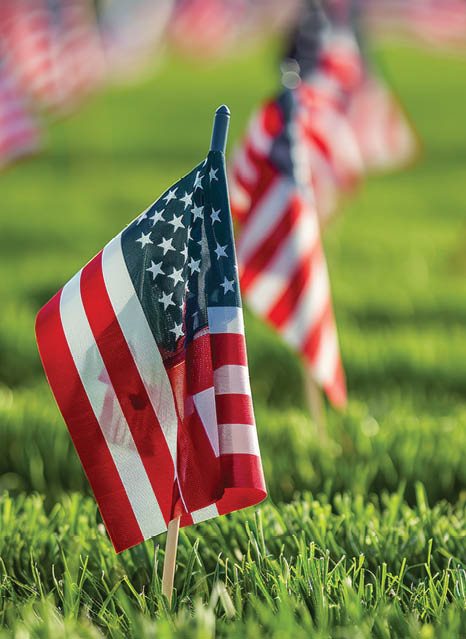
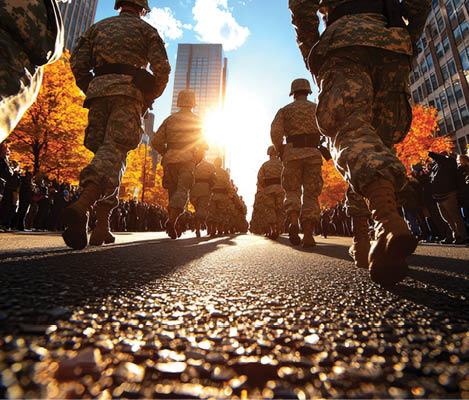
Hometown Heroes celebrates the brave men and women from Kearney who answered the call to serve. They left their homes, families, and communities to defend our freedoms. They brought with them the values of their upbringing, woven into the fabric of the communities they cherished. Across generations, these heroes stood united, embodying courage, sacrifice, and a love of country that knows no bounds. Whether on land, sea, or in the skies, they carried the spirit of their hometowns with them, facing challenges with unyielding resolve and selflessness. We honor their service, their legacy, and the communities that raised them. Today, we remember not just their dedication but the strength and unity that bind us all as Americans. Their stories are our stories, a testament to the enduring spirit of the United States and the bonds that make us strong.
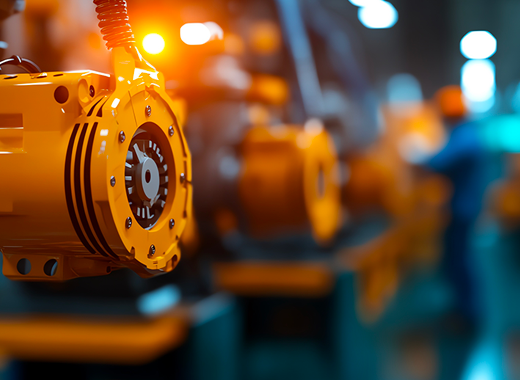
Located along the I-80 corridor in central Nebraska, Kearney has established itself as a strategic center for industrial growth, logistics, and advanced manufacturing. Its central location offers efficient access to national markets, with direct interstate connectivity and proximity to the Kearney Regional Airport, making it an attractive base for distribution and supply chain operations.
Recent industrial developments, such as the Tech oNE Crossing business park, are expanding Kearney’s capacity for warehousing, light manufacturing, and technology-driven enterprises. Vacancy rates for modern industrial space remain low, reflecting rising demand from both regional and national companies seeking scalable, cost-effective facilities.
Kearney’s workforce pipeline is supported by partnerships with Central Community College and the University of Nebraska at Kearney, providing tailored training in areas like advanced manufacturing, logistics, and IT. The city’s economic
development office works closely with employers to connect them with local talent and upskilling programs.
Nebraska offers a suite of incentives for businesses expanding or relocating to Kearney. Key programs include the Nebraska Advantage Act and customized workforce training grants. Locally, the city and Buffalo County provide additional support through infrastructure grants, site readiness assistance,...
Industrial and Workforce Development
in Kearney
16 | HelloKearney, Nebraska • Fall Issue
Located along the I-80 corridor in central Nebraska, Kearney has established itself as a strategic center for industrial growth, logistics, and advanced manufacturing. Its central location offers efficient access to national markets, with direct interstate connectivity and proximity to the Kearney Regional Airport, making it an attractive base for distribution and supply chain operations.
Recent industrial developments, such as the Tech oNE Crossing business park, are expanding Kearney’s capacity for warehousing, light manufacturing, and technology-driven enterprises. Vacancy rates for modern industrial space remain low, reflecting rising demand from both regional and national companies seeking scalable, cost-effective facilities.
Kearney’s workforce pipeline is supported by partnerships with Central Community College and the University of Nebraska at Kearney, providing tailored training in areas like advanced manufacturing, logistics, and IT. The city’s economic development office works closely with employers to connect them with local talent and upskilling programs.
Nebraska offers a suite of incentives for businesses expanding or relocating to Kearney. Key programs include the Nebraska Advantage Act and customized workforce training grants. Locally, the city and Buffalo County provide additional support through infrastructure grants, site readiness assistance, and targeted tax incentives to help industrial projects get off the ground.
Local support for site selection, incentives, and project assistance.
Hello Kearney, Nebraska • Fall Issue |17
Kearney Statistics
Quality of Life & Other Advantages
Kearney offers a low cost of living, safe neighborhoods, and a strong sense of community, making it attractive for families and workers alike.
Access to higher education through the University of Nebraska at Kearney and Central Community College ensures a steady supply of skilled graduates.
Well-developed infrastructure, including reliable utilities, broadband, and efficient transportation, supports industrial and business growth.
Proudly Partnering with the National League of Cities and the U.S. Conference of Mayors
At HelloNation, we are honored to serve as America’s Video Magazine, bringing to life the stories of over 40,000 towns and cities across the country. Our mission is to celebrate the vibrancy, culture, and opportunities in every community, creating a digital platform that informs, inspires, and connects residents, businesses, and newcomers alike.
We are deeply proud to have the support and endorsement of two of the
nation’s most respected organizations: the National League of Cities (NLC) and the U.S. Conference of Mayors. Through their partnership, the NLC and the U.S. Conference of Mayors affirm their confidence in HelloNation’s vision and our shared belief in the power of storytelling to highlight the unique character of each community.
Their words underscore the importance of our mission: to make every town and city visible on the national stage, highlighting what makes each one special and worth exploring. Together, with the National League of Cities and the U.S. Conference of Mayors, we are committed to ensuring that every community in America has a voice and a platform to shine. Thank you for supporting our journey as we bring local stories to life, one video at a time.
These influential entities advocate tirelessly on behalf of America’s cities, towns, and villages, representing every community and ensuring their voices are heard on a national scale.
HelloNation
18 | HelloKearney, Nebraska • Fall Issue
CLICK TO READ
Hello Kearney, Nebraska • Fall Issue |19
These influential entities advocate tirelessly on behalf of America’s cities, towns, and villages, representing every community and ensuring their voices are heard on a national scale.