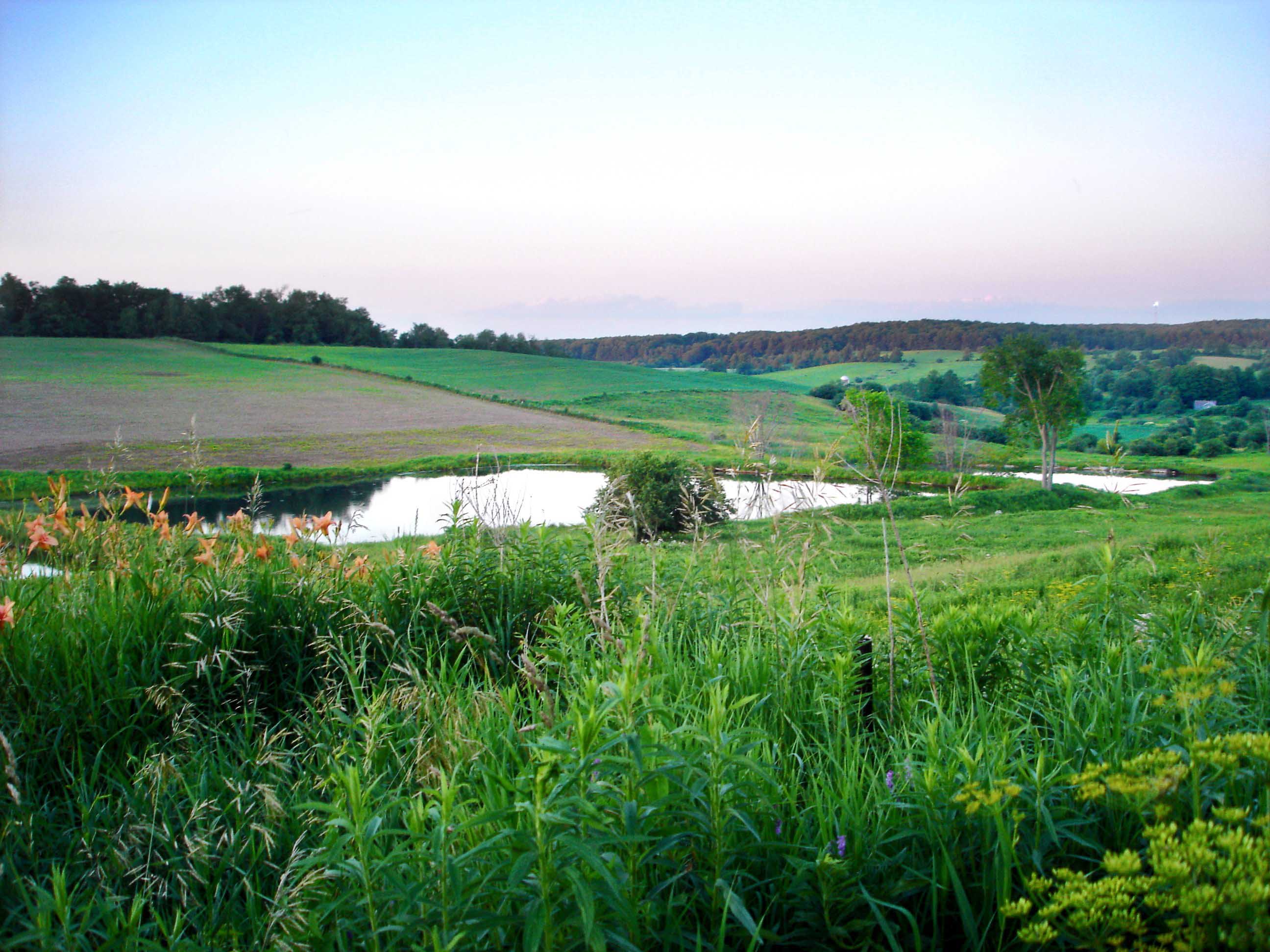
Endwell, New York, offers a delightful balance of small-town charm and modern amenities, perfect for those seeking a welcoming community atmosphere. Located in the Southern Tier, this vibrant town is brimming with life and opportunities, providing a serene alternative for those looking to escape the hustle of big metropolitan areas while still maintaining a connection to urban convenience.
One of the defining highlights of living in Endwell is its beautiful
parks and outdoor spaces. With the scenic Highlands Waterfall Park and the sprawling Grippen Park at your doorstep, adventure and relaxation are just minutes away. For outdoor enthusiasts and families alike, the town's well-maintained trails and picnic spots offer countless ways to savor the great outdoors.
Endwell is also known for its strong sense of community, supported by numerous local events and activities throughout the year. From farmers' markets to community
Endwell, New York
4 | HelloEndwell, New York • Winter Issue
Hello Endwell, New York • Winter Issue |5
concerts, there's always something to engage in and connect with fellow residents. Local eateries and shops add a touch of uniqueness, giving you the chance to support friendly, passionate business owners who make living in Endwell a true delight.
Home to well-regarded schools and facilities, Endwell supports a nurturing environment for education and personal growth, making it a fantastic place for...
Endwell, New York
Endwell, New York: A Gem of Community Spirit and Natural Beauty
Endwell, New York, offers a delightful balance of small-town charm and modern amenities, perfect for those seeking a welcoming community atmosphere. Located in the Southern Tier, this vibrant town is brimming with life and opportunities, providing a serene alternative for those looking to escape the hustle of big metropolitan areas while still maintaining a connection to urban convenience.
One of the defining highlights of living in Endwell is its beautiful parks and outdoor spaces. With the scenic Highlands Waterfall Park and the sprawling Grippen Park at your doorstep, adventure and relaxation are just minutes away. For outdoor enthusiasts and families alike, the town's well-maintained trails and picnic spots offer countless ways to savor the great outdoors.
Endwell is also known for its strong sense of community, supported by numerous local events and activities throughout the year. From farmers' markets to community concerts, there's always something to engage in and connect with fellow residents. Local eateries and shops add a touch of uniqueness, giving you the chance to support friendly, passionate business owners who make living in Endwell a true delight.
Home to well-regarded schools and facilities, Endwell supports a nurturing environment for education and personal growth, making it a fantastic place for families and individuals alike. Here, you’ll find more than just a place to live—you’ll discover a community that feels like family.
FEATURED STORY
Seasonal Checklist Before Winter Hits
by Matt Misner
As winter approaches, preparing your vehicle for the colder months is one of the best ways to ensure safety, reliability, and peace of mind. Cold temperatures affect nearly every system in your car, from the engine to the tires, and even minor maintenance issues can turn into big problems when temperatures drop below freezing. A brief inspection now can prevent inconvenient breakdowns later and help you start each winter drive with confidence.Start by checking the battery. Car batteries lose strength in cold weather because low temperatures slow the chemical reactions
6 | HelloEndwell, New York • Winter Issue
Matt Misner
ABOUT THE AUTHOR Matt Misner is co-owner and partner at 1st Choice Auto Repair in Endwell, NY, where he works alongside his wife, Vannessa Misner, to deliver honest, family-oriented car service to the local community. Under his leadership, the shop emphasizes outstanding customer care, reasonable pricing, and satisfaction-driven service, making it a trusted choice for all makes and models.
inside them. A weak battery that worked fine in October might not turn over your engine in January. If your battery is more than three years old, have it tested at a repair shop or parts store to ensure it’s holding a proper charge. If it tests low, replacing it now is often far more convenient than finding yourself stranded with a dead battery on a freezing morning. Cleaning the terminals and ensuring the cables are tight also helps the battery perform at its best.Next, take a close look at your tires. As outdoor temperatures drop, air pressure inside the tires decreases, sometimes by one pound per square inch
Hello Endwell, New York • Winter Issue |7
Seasonal Checklist Before Winter Hits
As winter approaches, preparing your vehicle for the colder months is one of the best ways to ensure safety, reliability, and peace of mind. Cold temperatures affect nearly every system in your car, from the engine to the tires, and even minor maintenance issues can turn into big problems when temperatures drop below freezing. A brief inspection now can prevent inconvenient breakdowns later and help you start each winter drive with confidence.
Start by checking the battery. Car batteries lose strength in cold weather because low temperatures slow the chemical reactions inside them. A weak battery that worked fine in October might not turn over your engine in January. If your battery is more than three years old, have it tested at a repair shop or parts store to ensure it’s holding a proper charge. If it tests low, replacing it now is often far more convenient than finding yourself stranded with a dead battery on a freezing morning. Cleaning the terminals and ensuring the cables are tight also helps the battery perform at its best.
Next, take a close look at your tires. As outdoor temperatures drop, air pressure inside the tires decreases, sometimes by one pound per square inch for every ten degrees of temperature loss. Underinflated tires reduce traction, handling, and fuel efficiency. Use a tire gauge to check that the pressure matches the manufacturer’s recommendation listed inside your driver’s door frame. Also inspect the tread depth by inserting a penny into the grooves. If you can see the top of Lincoln’s head, it’s time for replacement. Adequate tread is essential for maintaining control on wet, icy, or snowy roads. Drivers in areas with frequent snow may want to install winter tires, which are made with rubber compounds that stay flexible and provide better grip in freezing temperatures.
Antifreeze, also known as coolant, is another critical component of winter readiness. This fluid circulates through your engine to prevent it from freezing in the cold and overheating when running. Check the coolant level in the reservoir and make sure the mixture is appropriate for your region. In most areas, a 50/50 blend of antifreeze and water provides the right balance of protection. If your vehicle has not had a coolant flush in several years, it might be time to have the system serviced. Old coolant can lose its effectiveness, and contaminated fluid can damage components like the radiator and water pump.
Visibility is one of the most important aspects of winter driving. Snow, salt, and road grime can quickly build up on your windshield, making it difficult to see. Inspect your wiper blades for cracking or streaking and replace them if needed. It’s also smart to switch to winter-grade washer fluid that won’t freeze in low temperatures. Top off your washer reservoir before the first cold snap and make sure your defroster and heater are working properly. Clear visibility reduces the risk of accidents during snow or sleet.
Lighting is often overlooked, but it is just as important. Days are shorter in winter, and visibility can change rapidly in storms or fog. Walk around your car and confirm that all headlights, taillights, brake lights, and turn signals are working. Replace any burned-out bulbs and clean the lenses, as dirt and oxidation can dim the light output.
While most people focus on mechanical items, it’s wise to think about emergency preparedness as well. Keep an emergency kit in your vehicle with a few essentials, such as a flashlight, extra batteries, jumper cables, a warm blanket, gloves, a first-aid kit, and non-perishable snacks. Include an ice scraper, small shovel, and a bag of sand or cat litter for traction if you get stuck. A portable phone charger can be invaluable if you need to call for help. Being equipped for the unexpected is one of the best ways to stay safe during winter travel.
Finally, consider scheduling a quick professional inspection before the season changes. A technician can check your brakes, belts, and hoses, which often wear faster in cold, dry air. They can also inspect your heating system, test your battery, and ensure your vehicle’s fluids are ready for low temperatures. Many repair shops offer seasonal checkup packages designed specifically for winter preparation.
A ten-minute check today can save you hours of frustration later. By taking a little time now to prepare, you can prevent small maintenance tasks from turning into major repairs. Each step—battery, tires, coolant, visibility, and safety—works together to keep your car performing reliably when the weather turns harsh. The effort you put in before the first snow not only helps your vehicle last longer but also ensures a safer, more dependable drive through the winter months.
Being equipped for theunexpected is one ofthe best ways tostay safe during wintertravel.
for every ten degrees of temperature loss. Underinflated tires reduce traction, handling, and fuel efficiency. Use a tire gauge to check that the pressure matches the manufacturer’s recommendation listed inside your driver’s door frame. Also inspect the tread depth by inserting a penny into the grooves. If you can see the top of Lincoln’s head, it’s time for replacement. Adequate tread is essential for maintaining control on wet, icy, or snowy roads. Drivers in areas with...
What Most People Get Wrong About Oil Changes
Most drivers believe oil changes are strictly about mileage: 3,000, 5,000, or 10,000 miles, depending on the oil type. But the real determining factor is how you drive. Your driving habits can significantly influence how quickly your engine oil degrades.Short trips, for instance, often don't allow the
engine to reach its optimal operating temperature. This can lead to moisture and fuel residues accumulating in the oil, accelerating its breakdown. Similarly, frequent stop-and-go driving, common in city traffic, increases engine stress and oil degradation.Towing heavy loads or driving in extreme
8 | HelloEndwell, New York • Winter Issue
What Most People Get Wrong About Oil Changes
Most drivers believe oil changes are strictly about mileage: 3,000, 5,000, or 10,000 miles, depending on the oil type. But the real determining factor is how you drive. Your driving habits can significantly influence how quickly your engine oil degrades.
Short trips, for instance, often don't allow the engine to reach its optimal operating temperature. This can lead to moisture and fuel residues accumulating in the oil, accelerating its breakdown. Similarly, frequent stop-and-go driving, common in city traffic, increases engine stress and oil degradation.
Towing heavy loads or driving in extreme temperatures, whether hot or cold, also impacts oil life. These conditions cause the engine to work harder, generating more heat and causing the oil to lose its lubricating properties faster.
It's not just about time or distance; it's about how your engine is actually being used. Relying solely on mileage or time intervals can be misleading. For example, a vehicle used primarily for highway driving may require less frequent oil changes than one used for short, daily commutes, even if both cover the same distance.
Modern vehicles often come equipped with oil life monitoring systems that assess driving conditions and engine performance to provide more accurate oil change intervals. However, these systems are not foolproof and may not account for all variables affecting oil quality.
Consulting with a trusted mechanic can provide personalized advice tailored to your driving habits and vehicle type. They can help determine the optimal oil change schedule, ensuring your engine remains well-lubricated and protected against wear.
In summary, while manufacturer recommendations provide a general guideline, they don't account for individual driving patterns and conditions. By understanding how your habits affect oil degradation, you can make informed decisions about oil change frequency, ultimately
Matthew Misner
intervals can be misleading. For example, a vehicle used primarily for highway driving may require less frequent oil changes than one used for short, daily commutes, even if both cover the same distance.Modern vehicles often come equipped with oil life monitoring systems that assess driving conditions and engine performance to provide more accurate oil change intervals. However, these systems are not foolproof and may not account for all variables affecting oil quality.Consulting with a trusted mechanic can provide personalized advice tailored to your driving habits and vehicle type. They can help determine the optimal oil...
temperatures, whether hot or cold, also impacts oil life. These conditions cause the engine to work harder, generating more heat and causing the oil to lose its lubricating properties faster.It's not just about time or distance; it's about how your engine is actually being used. Relying solely on mileage or time
It's not just about time or distance; it's about how your engine is actually being used.
About the Author
Matthew Misner is co-owner and partner at 1st Choice Auto Repair in Endwell, NY, where she works alongside her husband, Matthew Misner, to deliver honest, family-oriented car service to the local community. Under her leadership, the shop emphasizes outstanding customer care, reasonable pricing, and satisfaction-driven service, making it a trusted choice for all makes and models.