
loading... 
  • Common Silk Screen Printing Mistakes

     
    Rectangle

    Silk screen printing is one of the most popular methods for decorating apparel, known for its bold visuals and long-lasting results. It works by pushing ink through a mesh stencil or screen onto the garment. When done correctly, the results are vibrant and durable. However, several common mistakes can

    undermine the final product.One major issue is printing light-colored ink on dark garments without using a base layer, also known as a white underbase. Without this foundation, the darker fabric absorbs the ink, muting the color and producing a washed-out look. This is particularly problematic for

    2 | HelloVictor, New York • Spring Issue

  • Common Silk Screen Printing Mistakes

    Silk screen printing is one of the most popular methods for decorating apparel, known for its bold visuals and long-lasting results. It works by pushing ink through a mesh stencil or screen onto the garment. When done correctly, the results are vibrant and durable. However, several common mistakes can undermine the final product.

    One major issue is printing light-colored ink on dark garments without using a base layer, also known as a white underbase. Without this foundation, the darker fabric absorbs the ink, muting the color and producing a washed-out look. This is particularly problematic for colors like yellow, pale blue, or light gray on black or navy shirts.

    Solid colors and bold lines yield the cleanest screen printing results.

    Design complexity can also present problems. While screen printing excels with high-contrast and blocky designs, it struggles with subtle gradients, photo-realistic images, or designs that rely on fine details. The mesh screen limits how finely ink can be applied, and halftone patterns used to simulate gradients can break down over time or with repeated washing.

    Registration issues, where different layers of ink don’t align properly, can further degrade a design. These are often the result of overly detailed or multi-color artwork being pushed beyond the limits of the printing setup.

    Another common mistake is using low-resolution artwork files. Screen printers typically require vector files or high-resolution raster images at least 300 DPI to produce clean stencils. Anything less can result in blurry edges, jagged lines, or misaligned prints. Always use clear, clean artwork to avoid blurry printed graphics.

    Fabric choice matters too. Screen printing works well on most cotton and cotton-blend materials, but extremely stretchy or slick fabrics, like Nylon or Lycra, may cause the ink to crack or peel.

    Good results depend on simplifying the design, using the right file formats, and understanding the limitations of the medium. Preparation and communication with the print provider can prevent these common mistakes.

    Feature Graphic
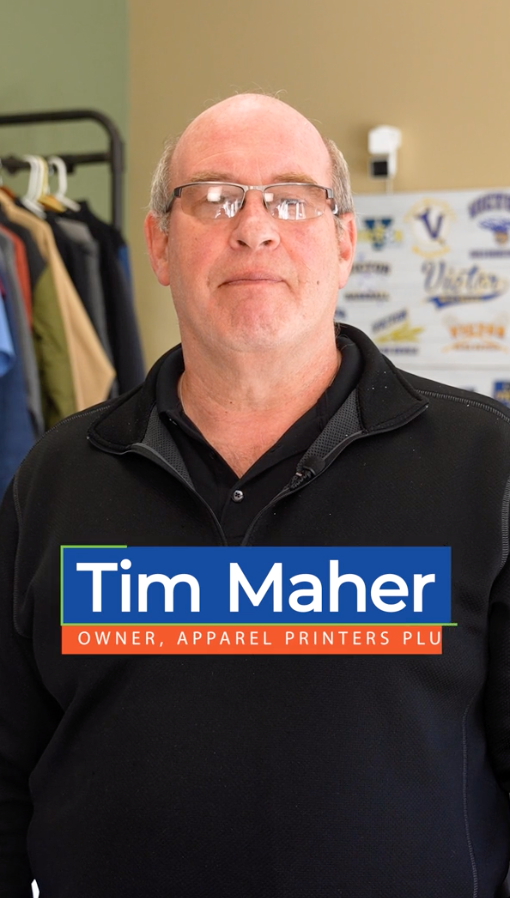
    Tim Maher
     

    colors like yellow, pale blue, or light gray on black or navy shirts.Solid colors and bold lines yield the cleanest screen printing results.Design complexity can also present problems. While screen printing excels with high-contrast and blocky designs, it struggles with subtle gradients, photo-realistic images, or

    designs that rely on fine details. The mesh screen limits how finely ink can be applied, and halftone patterns used to simulate gradients can break down over time or with repeated washing.Registration issues, where different layers of ink don’t align properly, can further degrade a design. These are often the result of overly detailed or multi-color artwork being pushed beyond the limits of the printing setup.Another common mistake is using low-resolution artwork files. Screen printers typically require vector files or high-resolution raster images at least 300 DPI to produce clean stencils. Anything less can result in blurry...

    Rectangle

    Solid colors and bold lines yield the cleanest screen printing results.

    About the Author

    Tim and Shane Maher are the father-son duo behind Apparel Printers Plus and The Embroidery Loft, family-owned businesses in Fairport and Victor, NY. They specialize in delivering premium, personalized apparel solutions, including vibrant screen printing and state-of-the-art direct-to-film services, ensuring each custom piece stands out uniquely.

    HelloVictor, New York • Spring Issue | 3