Williamson, New York, is a vibrant community where the warmth of small-town living meets the spirit of innovation. Located in the
picturesque Finger Lakes region, this town offers a refreshing blend of rich history and modern convenience that is sure to captivate anyone who visits or calls it home.
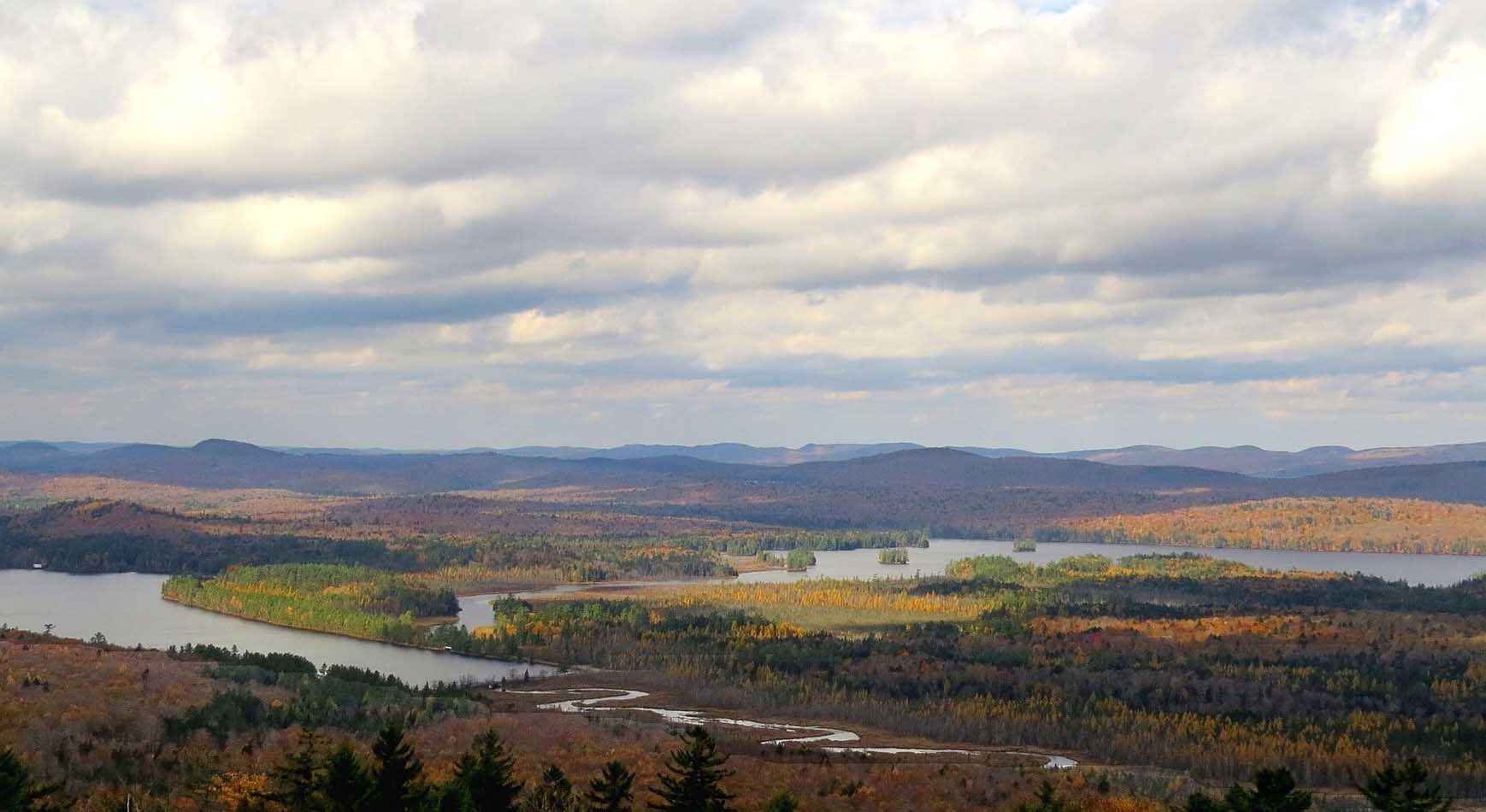
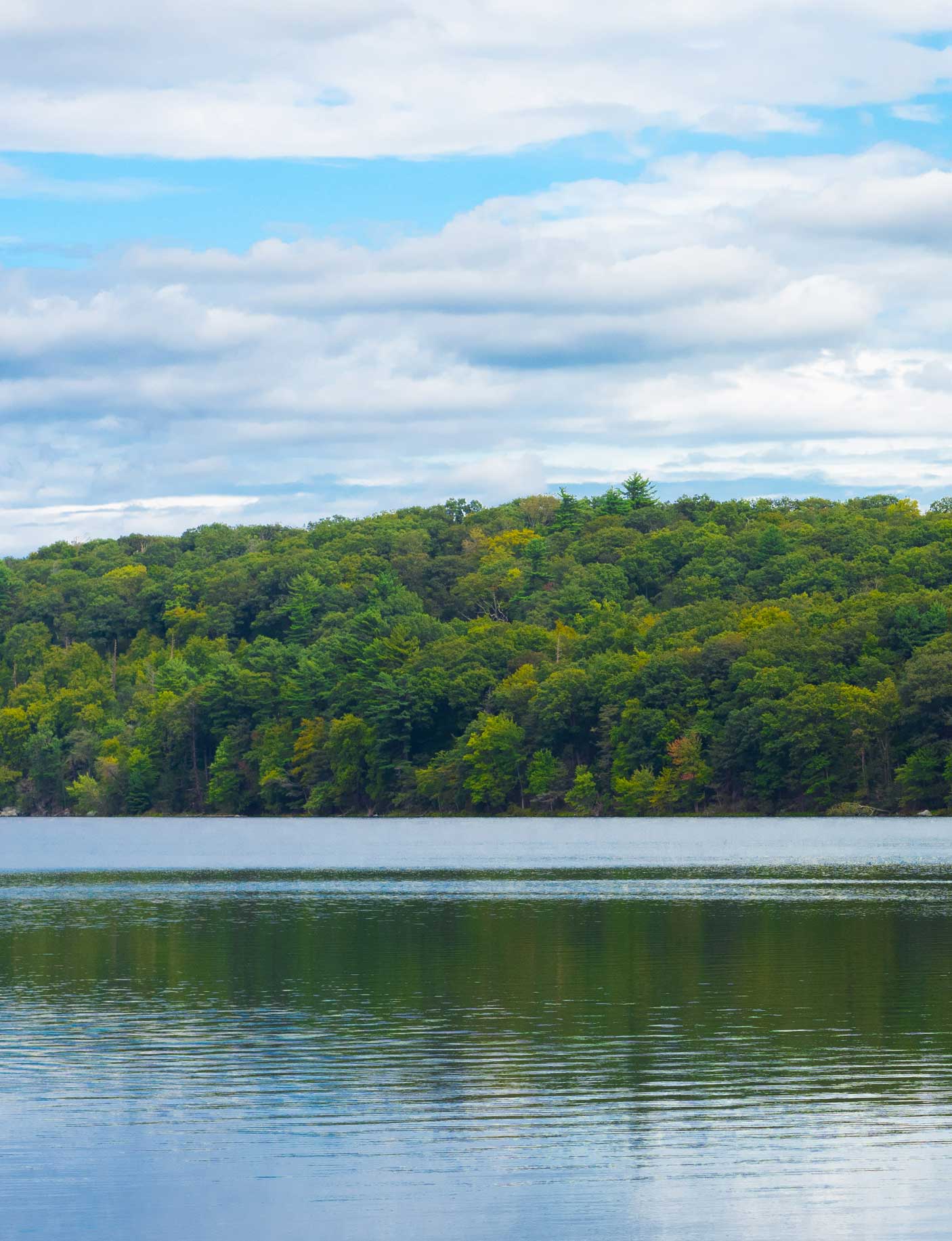
Boasting lush landscapes, Williamson is an ideal setting for those who appreciate nature and the outdoors. The town is renowned for its orchards and the sweet allure of its produce, notably apples, which draw visitors each year to the joy-filled Apple Blossom Festival. This celebration of local agriculture and community unity is just one reflection of the lively spirit found within Williamson's borders.
Beyond its natural allure, Williamson embraces a dynamic cultural scene. Local artisans showcase their talents at various fairs and festivals throughout the year, while innovative community programs foster creativity and connection among residents. Educational opportunities abound with quality schools and community initiatives that ensure a bright future for younger generations.
For those who value community engagement, Williamson offers an abundance of ways to connect, from charming local galleries to heartening volunteer opportunities. And with a welcoming atmosphere that invites diversity and inclusion, it’s easy to see why people form lasting bonds here. In Williamson, New York, life is not just lived but celebrated in a truly enriching way.
Delight in the Charms of Williamson,
Delight in the Charms of Williamson, New York
Williamson, New York, is a vibrant community where the warmth of small-town living meets the spirit of innovation. Located in the picturesque Finger Lakes region, this town offers a refreshing blend of rich history and modern convenience that is sure to captivate anyone who visits or calls it home.
Boasting lush landscapes, Williamson is an ideal setting for those who appreciate nature and the outdoors. The town is renowned for its orchards and the sweet allure of its produce, notably apples, which draw visitors each year to the joy-filled Apple Blossom Festival. This celebration of local agriculture and community unity is just one reflection of the lively spirit found within Williamson's borders.
Beyond its natural allure, Williamson embraces a dynamic cultural scene. Local artisans showcase their talents at various fairs and festivals throughout the year, while innovative community programs foster creativity and connection among residents. Educational opportunities abound with quality schools and community initiatives that ensure a bright future for younger generations.
For those who value community engagement, Williamson offers an abundance of ways to connect, from charming local galleries to heartening volunteer opportunities. And with a welcoming atmosphere that invites diversity and inclusion, it’s easy to see why people form lasting bonds here. In Williamson, New York, life is not just lived but celebrated in a truly enriching way.
Varicose Veins Are More Than a Cosmetic Issue
Many people believe varicose veins are only a cosmetic concern. They see bulging or twisted veins on the legs and think the issue is limited to appearance. In reality, varicose veins often point to a deeper medical condition that affects circulation.Varicose veins develop when valves inside the veins
stop working correctly. Healthy valves keep blood moving upward toward the heart. When valves weaken, blood can pool in the veins, leading to swelling, heaviness, and visible changes under the skin. This process is known as venous reflux disease.Ignoring varicose veins can mean overlooking a
6 | HelloWilliamson, New York • Winter Issue
Varicose Veins Are More Than a Cosmetic Issue
Many people believe varicose veins are only a cosmetic concern. They see bulging or twisted veins on the legs and think the issue is limited to appearance. In reality, varicose veins often point to a deeper medical condition that affects circulation. Varicose veins develop when valves inside the veins stop working correctly. Healthy valves keep blood moving upward toward the heart. When valves weaken, blood can pool in the veins, leading to swelling, heaviness, and visible changes under the skin. This process is known as venous reflux disease. Ignoring varicose veins can mean overlooking a condition that impacts long-term vein health. The symptoms of venous reflux often go beyond the visible veins. Patients may experience tired or heavy legs, aching that worsens later in the day, swelling around the ankles, or even restless legs at night. Some people notice skin discoloration or patches of dryness near the ankles. Left untreated, advanced cases can develop into skin ulcers that are slow to heal. Many patients delay seeking treatment because they assume varicose veins are harmless. The belief that they are just a cosmetic problem keeps people from recognizing early signs of circulation issues. By the time more serious symptoms appear, vein damage may already be significant. Venous reflux disease does not affect everyone in the same way. Some people may notice only mild discomfort, while others deal with daily pain that interferes with work or activity. Genetics, age, pregnancy, and occupations that require prolonged periods of standing can all increase the risk. Even people who exercise regularly and maintain healthy habits can still develop vein problems if they have a family history of vein issues. Diagnosis often begins with a simple ultrasound exam. This painless test shows whether valves are working correctly and whether blood is flowing in the right direction. An accurate diagnosis helps determine whether treatment is needed or if monitoring alone is sufficient. Treatment for varicose veins has advanced significantly. Older surgical methods often required long recovery times, but today most procedures are minimally invasive and performed in an outpatient setting. Techniques such as endovenous laser therapy or radiofrequency ablation utilize heat to close faulty veins, allowing blood to reroute through healthier pathways. In many cases, patients return to regular activity the same day. For smaller varicose or spider veins, sclerotherapy is a standard option. This treatment involves injecting a solution that causes the vein to close and fade. While often used for cosmetic purposes, sclerotherapy can also reduce discomfort from smaller problem veins. Lifestyle adjustments can support vein health as well. Elevating the legs after long days, staying active with walking or swimming, and wearing compression stockings when recommended all help reduce symptoms. Still, these approaches do not cure underlying venous reflux. Only targeted vein treatments address the root cause. Recognizing varicose veins as a medical condition, not just a cosmetic issue, is key to protecting long-term leg health. With early evaluation, patients can prevent complications and find relief from daily discomfort. Varicose veins may look like a surface problem, but they often reveal what is happening deeper in the circulation system. Healthy veins support healthy legs, and taking vein health seriously can make a lasting difference in quality of life.
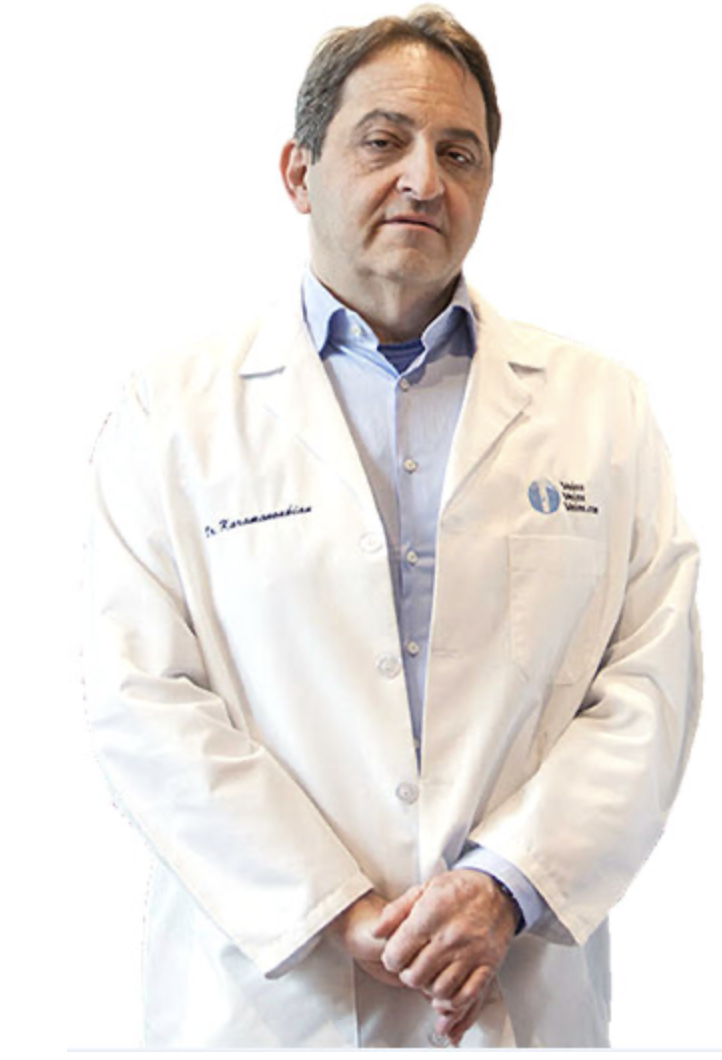
Dr. Hratch Karamanoukian
the ankles. Left untreated, advanced cases can develop into skin ulcers that are slow to heal.Many patients delay seeking treatment because they assume varicose veins are harmless. The belief that they are just a cosmetic problem keeps people from recognizing early signs of circulation issues. By the time more serious symptoms appear, vein damage may already be significant.Venous reflux disease does not affect everyone in the same way. Some people may notice only mild discomfort, while others deal with daily pain that interferes with work or activity. Genetics, age, pregnancy, and occupations that require prolonged periods of...
condition that impacts long-term vein health.The symptoms of venous reflux often go beyond the visible veins. Patients may experience tired or heavy legs, aching that worsens later in the day, swelling around the ankles, or even restless legs at night. Some people notice skin discoloration or patches of dryness near
Ignoring varicose veins can mean overlooking a condition that impacts long-term vein health.
About the Author
Dr. Hratch Karamanoukian is a cardiovascular and thoracic surgeon who has specialized in minimally invasive cardiac surgery, thoracic surgery, robotic surgery and vein disorders. He is a Diplomate of the American Board of Surgery (recertified 2009) , Diplomate of the American Board of Thoracic Surgery and Diplomate of the The American Board of Venous & Lymphatic Medicine (ABVLM) (formerly The American Board of Phlebology) (venous disorders and venous surgery). Dr. Karamanoukian is a Fellow o...
HelloWilliamson, New York • Winter Issue |7
FEATURED STORY
Myth vs. Fact: Only Older People Get Vein Disease
by Dr. Hratch Karamanoukian
Many people believe vein problems are a natural part of aging. While age is a factor, it is far from the only one. In fact, vein disease can develop in people much younger than expected, sometimes beginning in the twenties.Varicose veins and venous reflux occur when the valves in the veins of the legs no longer function properly. These valves are meant to keep blood flowing back toward the heart. When they weaken, blood can pool in the legs, leading to swelling, aching, or the bulging appearance often linked to varicose veins. Although commonly seen in older adults, these
8 | HelloWilliamson, New York • Winter Issue
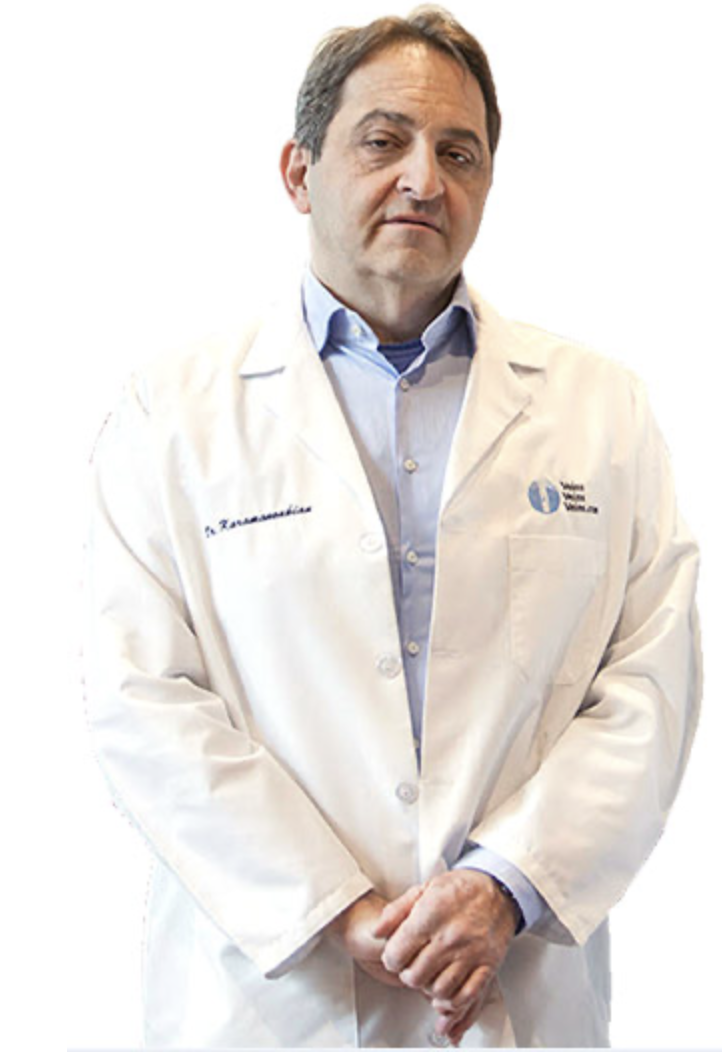
Dr. Hratch Karamanoukian
ABOUT THE AUTHOR Dr. Hratch Karamanoukian is a cardiovascular and thoracic surgeon who has specialized in minimally invasive cardiac surgery, thoracic surgery, robotic surgery and vein disorders. He is a Diplomate of the American Board of Surgery (recertified 2009) , Diplomate of the American Board of Thoracic Surgery and Diplomate of the The American Board of Venous & Lymphatic Medicine (ABVLM) (formerly The American Board of Phlebology) (venous disorders and venous surgery). Dr. Karamanoukian is a Fellow o...
conditions can affect younger people as well.Genetics plays a significant role in vein disease. If a parent or grandparent experienced varicose veins, there is a higher likelihood that their children may also develop them, regardless of age. Lifestyle factors also contribute. Occupations that require long hours of standing, such as teaching, nursing, or retail work, place extra pressure on the veins. Jobs that involve extended periods of sitting can also slow circulation, increasing the risk.Vein disease can begin in early adulthood, not just later in life. Many people in their twenties and thirties may
Hello Williamson, New York • Winter Issue |9
Myth vs. Fact: Only Older People Get Vein Disease
Many people believe vein problems are a natural part of aging. While age is a factor, it is far from the only one. In fact, vein disease can develop in people much younger than expected, sometimes beginning in the twenties. Varicose veins and venous reflux occur when the valves in the veins of the legs no longer function properly. These valves are meant to keep blood flowing back toward the heart. When they weaken, blood can pool in the legs, leading to swelling, aching, or the bulging appearance often linked to varicose veins. Although commonly seen in older adults, these conditions can affect younger people as well. Genetics plays a significant role in vein disease. If a parent or grandparent experienced varicose veins, there is a higher likelihood that their children may also develop them, regardless of age. Lifestyle factors also contribute. Occupations that require long hours of standing, such as teaching, nursing, or retail work, place extra pressure on the veins. Jobs that involve extended periods of sitting can also slow circulation, increasing the risk. Vein disease can begin in early adulthood, not just later in life. Many people in their twenties and thirties may notice symptoms such as aching, heaviness, or swelling in the legs, especially after a long day of work. These early signs often go unnoticed or are dismissed as fatigue, but they may signal an underlying venous issue. Hormonal changes can also influence vein health. Pregnancy, for example, often places additional stress on the venous system. Women may first notice varicose veins during pregnancy, but the underlying condition may have been developing long before. Hormonal fluctuations from birth control or hormone therapy may also contribute to vein weakness. Weight is another factor. Carrying excess weight adds stress to the circulatory system, which can accelerate the development of venous problems. Combined with genetic predisposition, this can mean symptoms appear much earlier than expected. It is essential to understand that venous disease exists on a spectrum. Some people may only have cosmetic concerns, such as spider veins, while others may experience significant discomfort from varicose veins or venous reflux. In more advanced cases, skin changes and ulcers may occur. Identifying and addressing vein disease early can help prevent complications later. The belief that only older people need to worry about vein disease has led many younger individuals to overlook symptoms or avoid evaluation. Yet even in youth, the signs of venous insufficiency can affect daily life and long-term health. Recognizing that age is not the sole risk factor helps people take vein health seriously at every stage of life.
Vein disease can beginin early adulthood, notjust later in life
notice symptoms such as aching, heaviness, or swelling in the legs, especially after a long day of work. These early signs often go unnoticed or are dismissed as fatigue, but they may signal an underlying venous issue.Hormonal changes can also influence vein health. Pregnancy, for example, often places additional stress on the venous system. Women may first notice varicose veins during pregnancy, but the underlying condition may have been developing long before. Hormonal...