Pittsburgh, Pennsylvania—an evolving city with a rich industrial past and a dynamic creative present. At the heart of this vibrant
metropolis is Hello Pittsburgh, a space that embodies the spirit of community and innovation. This haven for locals and visitors alike serves as a brilliant example of how this city continually reinvents itself while staying true to its roots.
Hello Pittsburgh is more than just a venue; it’s a thriving hub where creativity and connection flourish. Step inside, and you will find a diverse array of locally made goods, from unique handmade crafts to stunning artworks that capture the essence of this remarkable city. It’s a testimony to the wealth of talent from hometown artisans and an invitation to support their ongoing endeavors.
Here, visitors are met with warm, friendly faces ready to share not only their products but also their stories. The atmosphere is buzzing with enthusiasm, making Hello Pittsburgh a perfect spot to dive into the local culture. Whether you're shopping for a one-of-a-kind souvenir or attending one of the engaging workshops, this spot promises an uplifting experience that truly reflects Pittsburgh’s welcoming charm and forward-thinking spirit.
Discovering Community and Creativity
Discovering Community and Creativity at Hello Pittsburgh in the Heart of Pennsylvania
Pittsburgh, Pennsylvania—an evolving city with a rich industrial past and a dynamic creative present. At the heart of this vibrant metropolis is Hello Pittsburgh, a space that embodies the spirit of community and innovation. This haven for locals and visitors alike serves as a brilliant example of how this city continually reinvents itself while staying true to its roots.
Hello Pittsburgh is more than just a venue; it’s a thriving hub where creativity and connection flourish. Step inside, and you will find a diverse array of locally made goods, from unique handmade crafts to stunning artworks that capture the essence of this remarkable city. It’s a testimony to the wealth of talent from hometown artisans and an invitation to support their ongoing endeavors.
Here, visitors are met with warm, friendly faces ready to share not only their products but also their stories. The atmosphere is buzzing with enthusiasm, making Hello Pittsburgh a perfect spot to dive into the local culture. Whether you're shopping for a one-of-a-kind souvenir or attending one of the engaging workshops, this spot promises an uplifting experience that truly reflects Pittsburgh’s welcoming charm and forward-thinking spirit.
Moving to Pittsburgh? Here’s the Insurance Checklist to Update First
Moving to a new city usually means handling the obvious tasks first, like unpacking, changing your mailing address, and learning a new routine. What often gets pushed aside is insurance, even though a move can change several details that affect both coverage and cost. For anyone moving to Pittsburgh,
this is one of the first financial checkups worth making before life gets too busy.A good insurance checklist starts with the basic information already on file. Your address needs to be updated on every active policy, because insurers use location as part of how they evaluate risk. A new
6 | HelloPittsburgh, Pennsylvania • Spring Issue
Moving to Pittsburgh? Here’s the Insurance Checklist to Update First
Moving to a new city usually means handling the obvious tasks first, like unpacking, changing your mailing address, and learning a new routine. What often gets pushed aside is insurance, even though a move can change several details that affect both coverage and cost. For anyone moving to Pittsburgh, this is one of the first financial checkups worth making before life gets too busy.
A good insurance checklist starts with the basic information already on file. Your address needs to be updated on every active policy, because insurers use location as part of how they evaluate risk. A new neighborhood, a different ZIP code, and even a new type of building can all influence how a policy fits your situation. That is why moving to Pittsburgh should trigger a full review rather than a simple address change.
Auto insurance is usually one of the first places to look. Your daily driving habits may change right away after a move, especially if your new commute is longer, shorter, or more city-based than before. Pittsburgh traffic patterns, hills, bridges, and winter road conditions can all shape how you think about coverage. Parking matters too, because a car kept in a private garage may face different risks than one parked on the street every night. When auto insurance reflects where and how you really drive, it tends to make more sense for your current routine.
Your housing setup is the next major part of the insurance checklist. A person renting an apartment has different responsibilities than someone buying a house or settling into a condo. Renters insurance is designed to protect personal belongings, provide liability coverage, and often help with temporary living expenses after a covered loss. Homeowners insurance usually takes on a broader role because it may cover the home itself, along with personal property and liability. Condo insurance can fall somewhere in the middle, depending on what the condo association insures and what remains your responsibility inside the unit.
This is where details matter more than many people expect. A larger space may mean more belongings to protect, and a newer purchase may mean higher replacement costs than you assumed. Renters insurance should reflect what you actually own now, not what you owned several years ago. The same is true for homeowners insurance, especially after a move that involved replacing furniture, buying appliances, or upgrading electronics. Condo insurance also deserves a careful review if you made improvements inside the unit or took on responsibility for fixtures and finishes.
The safest time to review insurance is before a problem exposes outdated information that no longer matches real life.
Another part of the insurance checklist involves the people in your household. If someone new now lives with you, that can affect both liability concerns and practical coverage questions. A spouse, roommate, teen driver, or family member may change what needs to be listed, updated, or discussed. This is especially important for auto insurance when more than one person uses a vehicle, but it also matters for renters insurance, homeowners insurance, and condo insurance when shared living arrangements affect daily risk.
Liability protection is also worth a closer look after moving to Pittsburgh. A new home may come with steps, railings, a porch, a driveway, or common areas that change the chance of an accident. You may also host guests more often while getting settled. Renters insurance, homeowners insurance, and condo insurance each include liability protection in different ways, but the amount should still fit your actual lifestyle instead of staying frozen in the past.
It is also smart to review security and storage details. A secured apartment building, a detached garage, a basement storage area, or a monitored alarm system can all shape the conversation around coverage. These details may not seem urgent during a move, but they are part of building a more accurate picture of your risk. For someone moving to Pittsburgh, small changes in living arrangements can add up quickly.
An insurance checklist is really about making sure your policies match the way you live today. Auto insurance should reflect your current driving habits, and renters insurance should reflect what is inside your apartment now. Homeowners insurance and condo insurance should match the responsibilities that come with your specific property. When those details are current, your coverage is more likely to hold up when you need it most.
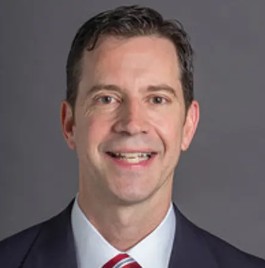
Mike Newell
neighborhood, a different ZIP code, and even a new type of building can all influence how a policy fits your situation. That is why moving to Pittsburgh should trigger a full review rather than a simple address change.Auto insurance is usually one of the first places to look. Your daily driving habits may change
right away after a move, especially if your new commute is longer, shorter, or more city-based than before. Pittsburgh traffic patterns, hills, bridges, and winter road conditions can all shape how you think about coverage. Parking matters too, because a car kept in a private garage may face different risks than one parked on the street every night. When auto insurance reflects where and how you really drive, it tends to make more sense for your current routine.Your housing setup is the next major part of the insurance checklist. A person renting an apartment has different responsibilities than someone buying a house or settling...
The safest time to review insurance is before a problem exposes outdated information that no longer matches real life.
About the Author
Mike Newell is a lifelong Pittsburgh resident and insurance agent serving the Pittsburgh area. He attended Central Catholic High School, earned a BA from Villanova University and an MBA from the University of Pittsburgh Katz School of Business, and built his office around helping local residents navigate everyday insurance decisions.
HelloPittsburgh, Pennsylvania • Spring Issue |7
What to Do If You’re a Student Facing Criminal Charges
For many college students, independence comes with new experiences and sometimes mistakes. A night out, a party, or a poor decision involving alcohol can quickly turn serious if it leads to criminal charges. Offenses like underage drinking, disorderly conduct, or using a fake ID are among the most
common for students in Pittsburgh and across Pennsylvania. When that happens, students often wonder if one bad choice could cost them their education.Attorney Frank Walker, who represents college students and young adults in the Pittsburgh area, says the first step is understanding that the legal
8 | HelloPittsburgh, Pennsylvania • Spring Issue
What to Do If You’re a Student Facing Criminal Charges
For many college students, independence comes with new experiences and sometimes mistakes. A night out, a party, or a poor decision involving alcohol can quickly turn serious if it leads to criminal charges. Offenses like underage drinking, disorderly conduct, or using a fake ID are among the most common for students in Pittsburgh and across Pennsylvania. When that happens, students often wonder if one bad choice could cost them their education.
Attorney Frank Walker, who represents college students and young adults in the Pittsburgh area, says the first step is understanding that the legal process and the university’s disciplinary process are separate. Being arrested does not automatically mean you will be expelled. Schools typically conduct their own investigations under a student conduct code, which focuses on behavior and campus policy rather than state law. This means you may have to address both systems, but each allows an opportunity to explain your side.
In court, criminal charges are handled through the Pennsylvania judicial system. Depending on the offense, you might face fines, probation, or community service. For many first-time offenders, the outcome can include a diversion program that helps them avoid a lasting criminal record. It’s essential to attend every hearing, follow legal advice, and refrain from discussing the incident publicly or on social media.
At school, disciplinary action can range from warnings to suspension, depending on whether the conduct violated campus rules or endangered others. Universities consider intent, cooperation, and honesty when determining outcomes. A disciplinary hearing is not the same as a trial, yet it can still affect your academic standing or housing. Having guidance from both a criminal defense attorney and a student advisor helps ensure you understand your rights in each process.
One mistake does not have to define your college career, but how you respond to it can shape your future. Students who take responsibility, follow through with legal requirements, and communicate with their schools often find they can move forward without long-term damage.
Parents also play a crucial role by helping their child stay organized and remain calm. It’s natural to feel anxious, but reacting with panic or anger can make things harder. Instead, focus on gathering documents, arriving on time, and following professional advice.
Frank Walker emphasizes that early legal help is key. A defense attorney familiar with college-related cases understands how to negotiate with prosecutors and how to minimize the impact on your record and education. Many students are eligible for programs that allow charges to be dismissed after completing counseling or community service. The goal is not just to defend the case in court, but to protect your future opportunities for graduate school or employment.
In most cases, a single mistake like a fake ID or underage drinking charge does not end your college career. Learning from the experience, being honest with yourself, and handling the situation responsibly are what matter most. Facing criminal charges is stressful, but it can also be a turning point toward making better decisions and refocusing on your goals.
Frank Walker
process and the university’s disciplinary process are separate. Being arrested does not automatically mean you will be expelled. Schools typically conduct their own investigations under a student conduct code, which focuses on behavior and campus policy rather than state law. This means you may have to address both
systems, but each allows an opportunity to explain your side.In court, criminal charges are handled through the Pennsylvania judicial system. Depending on the offense, you might face fines, probation, or community service. For many first-time offenders, the outcome can include a diversion program that helps them avoid a lasting criminal record. It’s essential to attend every hearing, follow legal advice, and refrain from discussing the incident publicly or on social media.At school, disciplinary action can range from warnings to suspension, depending on whether the conduct violated campus rules or endangered others. Universities...
One mistake does not have to define your college career, but how you respond to it can shape your future.
About the Author
Frank Walker earned his J.D. from West Virginia University in 2003, following earlier degrees in Education/Leadership and Criminal Justice. After several years as a Pennsylvania trial attorney, he founded his own practice in Morgantown, WV so he could represent anyone in need—focusing solely on criminal defense across northern West Virginia.