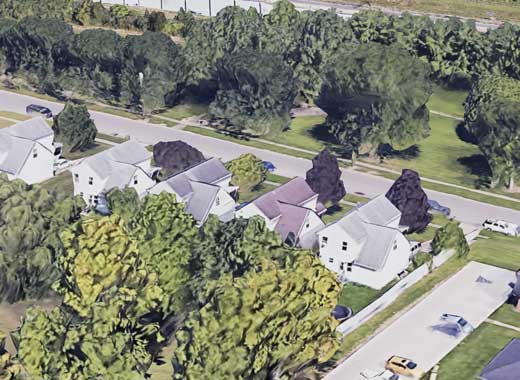
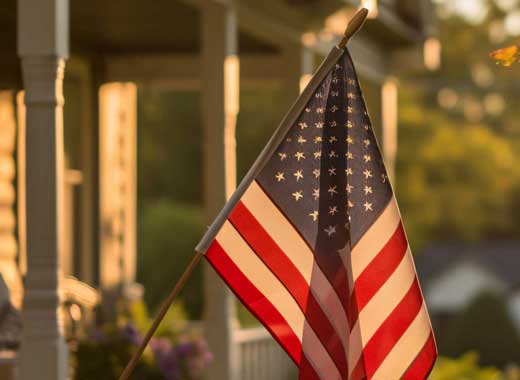
Richmond, Rhode Island, offers a delightful blend of natural beauty and community warmth, making it a wonderful place to call home. This charming town, located in the heart of Washington County, boasts stunning landscapes, including lush greenery and serene water bodies that invite exploration and relaxation. Residents take pride in Richmond's
commitment to preserving its environment, offering ample opportunities for outdoor enthusiasts to enjoy activities such as hiking, fishing, and bird watching.
In Richmond, you'll find more than just picturesque scenery; you'll discover a vibrant community that thrives on strong connections and neighborly bonds. With a calendar packed with local events, from farmers' markets to arts festivals, there's always
4 | HelloRichmond, Rhode Island • Winter Issue
Hello Richmond, Rhode Island • Winter Issue |5
Richmond, Rhode Island
something to bring everyone together. The town’s delightful blend of small local businesses adds a unique flair to everyday living, providing everything from handcrafted goods to delicious culinary treats.
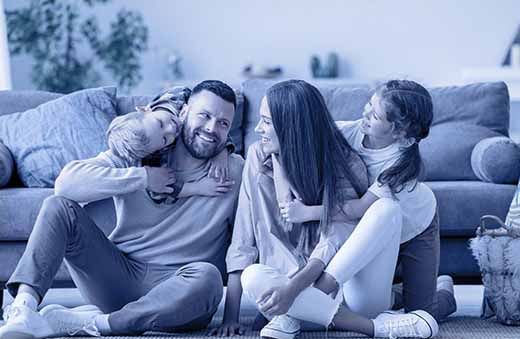
Richmond’s schools are lauded for their dedication to academic excellence and nurturing the minds of the future. The town's residents cherish the safe, neighborly atmosphere, making it an idyllic setting for families and individuals alike. Richmond, Rhode Island, isn't just a place on the map; it's a welcoming community that feels like home. Come experience the magic for yourself!
Richmond, Rhode Island: A Hidden Gem of Community and Charm
Richmond, Rhode Island, offers a delightful blend of natural beauty and community warmth, making it a wonderful place to call home. This charming town, located in the heart of Washington County, boasts stunning landscapes, including lush greenery and serene water bodies that invite exploration and relaxation. Residents take pride in Richmond's commitment to preserving its environment, offering ample opportunities for outdoor enthusiasts to enjoy activities such as hiking, fishing, and bird watching.
In Richmond, you'll find more than just picturesque scenery; you'll discover a vibrant community that thrives on strong connections and neighborly bonds. With a calendar packed with local events, from farmers' markets to arts festivals, there's always something to bring everyone together. The town’s delightful blend of small local businesses adds a unique flair to everyday living, providing everything from handcrafted goods to delicious culinary treats.
Richmond’s schools are lauded for their dedication to academic excellence and nurturing the minds of the future. The town's residents cherish the safe, neighborly atmosphere, making it an idyllic setting for families and individuals alike. Richmond, Rhode Island, isn't just a place on the map; it's a welcoming community that feels like home. Come experience the magic for yourself!
How Social Facilitation Can Help Reactive Dogs
Reactive dogs often struggle with behaviors that do not respond well to verbally commanded obedience training. Verbal commands may help to control the dog’s behavior in some circumstances, yet the deeper emotional patterns at the root of the undesirable behaviors remain unchanged. Many reactive dogs are
not acting out of defiance but out of anxiety, uncertainty, or fear shaped by their past experiences. These underlying issues require more than verbal commands and structured drills. They benefit from a different approach that works with the natural canine instincts rather than relying only on human
6 | HelloRichmond, Rhode Island • Winter Issue
How Social Facilitation Can Help Reactive Dogs
Reactive dogs often struggle with behaviors that do not respond well to verbally commanded obedience training. Verbal commands may help to control the dog’s behavior in some circumstances, yet the deeper emotional patterns at the root of the undesirable behaviors remain unchanged. Many reactive dogs are not acting out of defiance but out of anxiety, uncertainty, or fear shaped by their past experiences. These underlying issues require more than verbal commands and structured drills. They benefit from a different approach that works with the natural canine instincts rather than relying only on human directives. Social Facilitation provides the kind of support that allows dogs to learn through the steady presence of calm, confident companions.
Social Facilitation refers to the natural process in which animals adjust their behavior through the observance of the peers in their social group. Dogs are highly social creatures, and they watch each other closely for cues about safety, boundaries, and expectations. When a reactive or anxious dog spends time in a structured pack filled with calm, balanced dogs, the environment itself becomes part of the learning process. The reactive dog begins noticing how other dogs respond to noises, people, and new situations. Without pressure, the anxious dog starts to adopt these stable responses, building confidence through observation rather than correction.
This scientifically-sound process works because it taps into a dog’s instinctual learning that obedience commands alone cannot reach. Reactive dogs often become tense as they feel responsible for reacting to everything around them. By placing them within a group of confident, well grounded dogs, the reactive dog experiences a new social message. Instead of feeling unsafe, or the need to patrol or defend, the dog sees others modeling relaxed, neutral reactions. Over time, this lowers the emotional load that fuels reactivity. The dog learns that not every sound or movement requires a response because the pack is communicating safety through the demonstration of calm behavior.
The camaraderie and influence of peer dogs also reduces the sense of isolation that reactive dogs often feel. Many reactive patterns form when a dog becomes overwhelmed and disconnected from its surroundings. Being included in a stable group creates a sense of belonging. The dog watches how the group moves together, how they share space, and how they respond to guidance. These subtle interactions build trust and help reshape the dog’s understanding of social dynamics. Reactive behavior begins to shift when the dog stops feeling alone and starts relying on the steady emotional cues provided by balanced pack members.
Social Facilitation differs significantly from forced control. The goal is not to overpower reactive behaviors through strict commands or physical restraint. Instead, the environment handles much of the teaching. The calm dogs in the pack do not lecture, correct, or dominate. They lead by example. Their steady reactions show the anxious dog what confidence looks like. The reactive dog adjusts gradually, moving from tension to relaxation, and eventually confidence, as the group demonstrates that the world is less threatening than previously believed.
Structured pack settings are a critical part of this method. Not all groups of dogs create positive learning environments. A balanced pack includes dogs with stable temperaments and reliable communication skills. Their energy provides a clear model for the reactive dog to follow. The environment is supervised to ensure safety, but the learning occurs naturally. This structure allows the reactive dog to experience challenges in manageable doses, observing how the group handles each moment without panic.
Outdoor walks with the pack reinforce these lessons. When a group moves together calmly, the reactive dog feels supported. Sudden sounds, passing people, or moving objects lose some of their threat because the pack remains steady. Each walk offers chances for the reactive dog to witness appropriate reactions. These experiences accumulate, helping the dog build self and social confidence, and fueling new emotional responses that replace old habits.
Social Facilitation also enhances progress by giving dogs time to adjust at their own pace. Reactive dogs often regress under pressure, but in a calm pack setting, they can observe first and participate later. This gentle progression prevents the dog from becoming overwhelmed and supports long-term positive behavioral change. Some dogs begin engaging quickly, while others take more time. Both paths are valid because the learning is driven by natural social instincts rather than artificial deadlines.
As reactive dogs begin trusting the group, human guidance becomes more effective. Compliance is more reliable when fear has decreased. The dog is more receptive because its nervous system is calmer. Over time, the confidence and stability gained through Social Facilitation, combined with structured behavior training, will lead to lasting change. The dog responds not only because it clearly understands the directive from the human, but because it feels safe enough to make a healthier choice.
Social Facilitation helps reactive dogs by turning the pack into a living lesson in confidence and safety. Calm dogs model steady, predictable behavior, and reactive dogs learn through watching, following, and eventually believing that safety is possible. This process shifts emotional patterns that obedience training alone cannot reach. The result is a dog that moves through the world with greater trust, stability, and comfort.
Brian Manning, CPDT-KA, Owner
creatures, and they watch each other closely for cues about safety, boundaries, and expectations. When a reactive or anxious dog spends time in a structured pack filled with calm, balanced dogs, the environment itself becomes part of the learning process. The reactive dog begins noticing how other dogs respond to noises, people, and new situations. Without pressure, the anxious dog starts to adopt these stable responses, building confidence through observation rather than correction.This scientifically-sound process works because it taps into a dog’s instinctual learning that obedience commands alone cannot reach. Reactive dogs...
directives. Social Facilitation provides the kind of support that allows dogs to learn through the steady presence of calm, confident companions.Social Facilitation refers to the natural process in which animals adjust their behavior through the observance of the peers in their social group. Dogs are highly social
Reactive behavior begins to shift when the dog stops feeling alone and starts relying on the steady emotional cues provided by balan...
About the Author
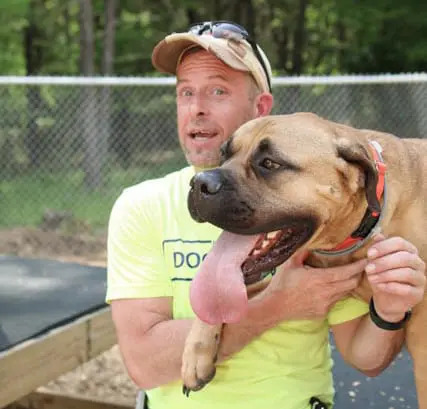
Brian Manning, CPDT-KA, is the owner and lead behavior trainer at Canine Behavioral Services. With certification as a Professional Dog Trainer since 2008, he guides dog–owner teams with calm, consistent leadership and helps dogs of all ages build lasting behavioral balance and confidence.