Lawrenceburg, Tennessee, invites you with open arms and a warm smile to experience its unique blend of rich history and vibrant community spirit. Located in the heart of Southern Middle Tennessee, this delightful town is much more than a place on the map—it's a thriving community that offers something for everyone.
As you stroll through the picturesque streets of Lawrenceburg, you'll quickly find yourself enchanted by its charming downtown area, where local shops and eateries greet visitors with Southern hospitality. The town's dedication to preserving its heritage is evident, with the extraordinary significance of historical landmarks like the James D. Vaughan Museum, celebrating the birthplace of Southern Gospel music.
Nature enthusiasts will fall in love with the great outdoors here, with David Crockett State Park offering an inviting escape to lush trails, serene waterways, and abundant wildlife. Meanwhile, residents enjoy year-round festivities, from the rousing Lawrence County Fair to the seasonal Main Street festivals that bring the community together in joy and celebration.
Lawrenceburg is a place where community spirit thrives. It empowers new beginnings and cherishes the bonds of friendly neighbors. Whethe...
Discover the Charm of Lawrenceburg,
4 | HelloLawrenceburg, Tennessee • Winter Issue
Discover the Charm of Lawrenceburg, Tennessee: A Vibrant Southern Gem
Lawrenceburg, Tennessee, invites you with open arms and a warm smile to experience its unique blend of rich history and vibrant community spirit. Located in the heart of Southern Middle Tennessee, this delightful town is much more than a place on the map—it's a thriving community that offers something for everyone.
As you stroll through the picturesque streets of Lawrenceburg, you'll quickly find yourself enchanted by its charming downtown area, where local shops and eateries greet visitors with Southern hospitality. The town's dedication to preserving its heritage is evident, with the extraordinary significance of historical landmarks like the James D. Vaughan Museum, celebrating the birthplace of Southern Gospel music.
Nature enthusiasts will fall in love with the great outdoors here, with David Crockett State Park offering an inviting escape to lush trails, serene waterways, and abundant wildlife. Meanwhile, residents enjoy year-round festivities, from the rousing Lawrence County Fair to the seasonal Main Street festivals that bring the community together in joy and celebration.
Lawrenceburg is a place where community spirit thrives. It empowers new beginnings and cherishes the bonds of friendly neighbors. Whether you're looking to put down roots or simply explore, Lawrenceburg promises an experience that's rich in culture, warmth, and Southern hospitality. Come and see for yourself why Lawrenceburg is a hidden treasure worth discovering.
Hello Lawrenceburg, Tennessee • Winter Issue |5
Discover the Charm of Lawrenceburg,
Storm Damage 101: What Every Homeowner Needs to Know
When a storm rolls through, your roof is the first line of defense. But once the weather clears, it’s what you do next that can make or break your ability to protect your home, and your finances.Strong winds can lift shingles and cause long-term roof damage.One of the most common mistakes homeowners
make after a storm is acting too quickly, either attempting DIY repairs or contacting their insurance company without having a full picture of the damage. Rushing this process can lead to missed details, denied claims, or unsafe repairs.The first step is always safety. Stay off the roof. Instead,
6 | HelloLawrenceburg, Tennessee • Winter Issue
Storm Damage 101: What Every Homeowner Needs to Know
When a storm rolls through, your roof is the first line of defense. But once the weather clears, it’s what you do next that can make or break your ability to protect your home, and your finances.
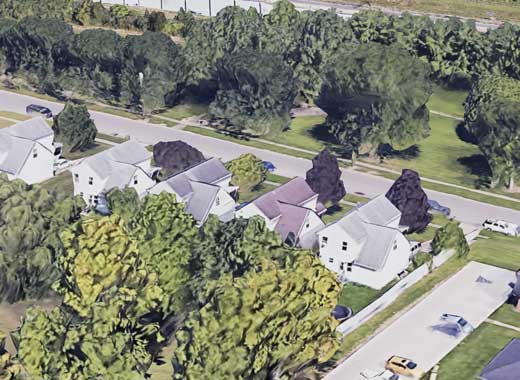
Strong winds can lift shingles and cause long-term roof damage.
One of the most common mistakes homeowners make after a storm is acting too quickly, either attempting DIY repairs or contacting their insurance company without having a full picture of the damage. Rushing this process can lead to missed details, denied claims, or unsafe repairs.
The first step is always safety. Stay off the roof. Instead, walk the perimeter of your home and inspect from the ground. Look for shingles on the lawn, bent gutters, exposed nails, cracked vent pipes, and broken flashing. Inside, check ceilings, attic spaces, and around chimneys for dampness or stains.
Next, document everything. Take time-stamped photos and write down what you observe. Even minor issues can escalate, and having detailed records supports your case if you need to file a claim.
Before calling your insurer, reach out to a trusted roofing contractor for a professional inspection. They’ll recognize hidden damage and provide a written assessment. This step is often key to maximizing your coverage and ensuring repairs meet local codes and standards.
Avoid the temptation to make immediate cosmetic fixes. Poorly applied sealant or tarps can lead to further damage or invalidate future warranty claims.
Being prepared means recognizing the signs of roof damage after a storm and having a clear plan to protect your roof in severe weather. Timely, informed action can save you thousands, and keep your roof strong for the next storm.
Jeff Hill
observe. Even minor issues can escalate, and having detailed records supports your case if you need to file a claim.Before calling your insurer, reach out to a trusted roofing contractor for a professional inspection. They’ll recognize hidden damage and provide a written assessment. This step is often key to maximizing your coverage and ensuring repairs meet local codes and standards.Avoid the temptation to make immediate cosmetic fixes. Poorly applied sealant or tarps can lead to further damage or invalidate future warranty claims.Being prepared means recognizing the signs of roof damage after a storm and having a clear plan...
walk the perimeter of your home and inspect from the ground. Look for shingles on the lawn, bent gutters, exposed nails, cracked vent pipes, and broken flashing. Inside, check ceilings, attic spaces, and around chimneys for dampness or stains.Next, document everything. Take time-stamped photos and write down what you
Strong winds can lift shingles and cause long-term roof damage.
About the Author
Jeff Hill is the owner of 7H Roofing & Construction, a locally owned and operated company serving North Alabama and Middle Tennessee. Established in 2018, 7H Roofing specializes in residential and commercial roofing services, offering solutions such as roof repair, replacement, and custom designs tailored to clients' needs. Under Jeff's leadership, the company has built a reputation for quality craftsmanship and customer satisfaction, earning an A+ rating from the Better Business Bureau. Cli...
HelloLawrenceburg, Tennessee • Winter Issue |7
Is It Better to Keep Your Money in a Credit Union or a Bank?
Most people think credit unions and banks serve the same purpose, but their goals and ownership are very different. A bank is a for-profit company that answers to shareholders who expect steady returns. A credit union is a not-for-profit cooperative owned by its members, which means every account holder
owns a small part of the institution. That difference shapes how money is handled, how profits are distributed, and how decisions are made at every level.When someone opens an account at a credit union, they become more than a customer. They become a member with voting rights in how the
8 | HelloLawrenceburg, Tennessee • Winter Issue
Is It Better to Keep Your Money in a Credit Union or a Bank?
Most people think credit unions and banks serve the same purpose, but their goals and ownership are very different. A bank is a for-profit company that answers to shareholders who expect steady returns. A credit union is a not-for-profit cooperative owned by its members, which means every account holder owns a small part of the institution. That difference shapes how money is handled, how profits are distributed, and how decisions are made at every level. When someone opens an account at a credit union, they become more than a customer. They become a member with voting rights in how the organization operates. Each member has one vote, regardless of their balance, and decisions are made with members’ best interests in mind. The profits from loans and other services are returned to members through lower loan rates, higher savings returns, and fewer fees. In contrast, profits at a bank are directed to shareholders, and decisions are often made at a corporate level far from the local branch. Because credit unions are rooted in community, they tend to emphasize personal service and long-term relationships. Many were founded to serve a specific group, such as teachers, city employees, or local residents. Their purpose has always been to strengthen the financial health of their members, not to maximize profit. That often means more flexible lending decisions, smaller fees, and a stronger connection to the people they serve. In Tennessee, this local focus is one reason credit unions continue to grow, as members see their deposits reinvested right back into the same communities where they live and work. Banks, by contrast, offer advantages tied to their size and reach. Large banks can provide an extensive network of ATMs, sophisticated mobile apps, and a wide selection of financial products, including investment accounts and business loans. This scale can be appealing to customers who prioritize convenience and nationwide access. However, these same features often come with higher costs, from overdraft fees to lower interest on savings accounts. Security is not a major difference between the two. Banks are insured by the Federal Deposit Insurance Corporation, or FDIC, and credit unions are insured by the National Credit Union Administration, or NCUA. Both protect deposits up to $250,000 per account, providing equal peace of mind for savers. Where they differ is in their purpose. A bank’s goal is to deliver returns to investors. A credit union’s goal is to return value to members through better service and fair pricing. Over the last decade, Tennessee has seen steady growth in membership at community-based credit unions. Many families have shifted away from large banks in search of more personalized financial relationships. These credit unions often sponsor local events, support area schools, and provide small business loans that fuel local economies. Members appreciate that decisions are made by people who understand the area’s needs, not by executives hundreds of miles away. Still, choosing between a credit union and a bank depends on personal priorities. Some prefer the convenience, technology, and variety offered by large banks. Others value the personal attention, lower fees, and sense of ownership that come with joining a credit union. Both can meet essential financial needs, but one focuses on growth for shareholders while the other focuses on growth for members and their communities. For many Tennesseans, that distinction is becoming clearer each year, as more people choose to keep their money where it matters most—close to home.
Konda Bowling
shareholders, and decisions are often made at a corporate level far from the local branch.Because credit unions are rooted in community, they tend to emphasize personal service and long-term relationships. Many were founded to serve a specific group, such as teachers, city employees, or local residents. Their purpose has always been to strengthen the financial health of their members, not to maximize profit. That often means more flexible lending decisions, smaller fees, and a stronger connection to the people they serve. In Tennessee, this local focus is one reason credit unions continue to grow, as members see their deposits...
organization operates. Each member has one vote, regardless of their balance, and decisions are made with members’ best interests in mind. The profits from loans and other services are returned to members through lower loan rates, higher savings returns, and fewer fees. In contrast, profits at a bank are directed to
In Tennessee, this local focus is one reason credit unions continue to grow, as members see their deposits reinvested right back int...