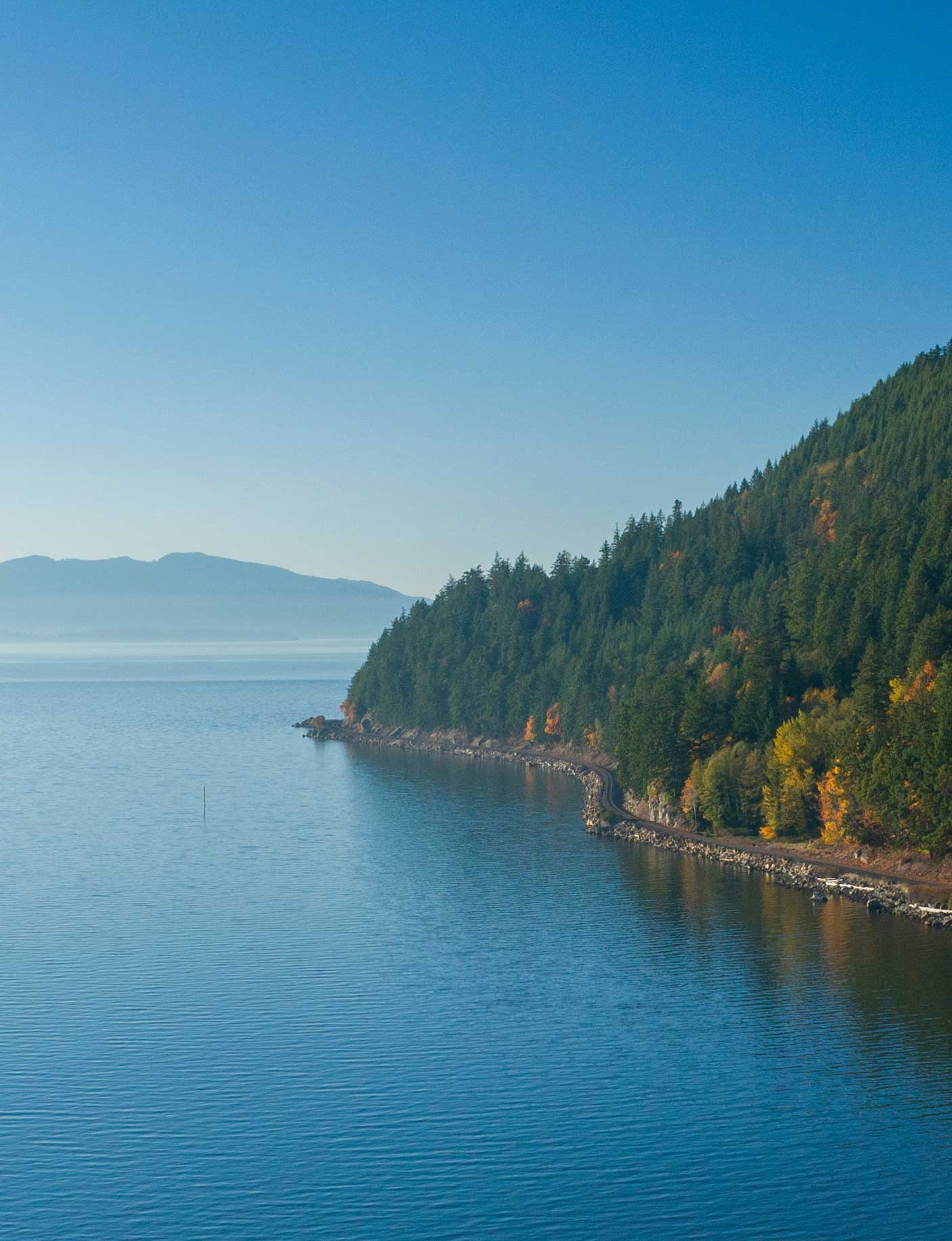
Sequim, Washington is a hidden gem offering its residents a tranquil and picturesque lifestyle. Nestled on the Olympic Peninsula, this charming town boasts a perfect blend of natural beauty and small-town warmth. Bathed in abundant
sunshine thanks to its unique "rain shadow" effect, Sequim enjoys more sunny days than many other parts of the Pacific Northwest, making it an ideal place for outdoor enthusiasts.
One of Sequim's standout features is its vibrant lavender fields, which transform the landscape into a fragrant sea of purple swathes during the summer months. The town even hosts the annual Sequim Lavender Festival, a celebration that attracts visitors
Embrace Serene Living in Sequim,
Hello Sequim, Washington • Winter Issue |5
from far and wide, eager to experience its aromatic delights. Beyond lavender, Sequim offers a bounty of local farms, farmers' markets, and fresh seafood, ensuring that foodies feel right at home.
For nature lovers, the nearby Olympic National Park provides endless opportunities for adventure, from hiking and biking to wildlife watching. Sequim’s mild weather also encourages year-round golfing, with beautiful courses set
against stunning backdrops. With a strong sense of community, top-rated schools, and welcoming locals, Sequim offers a uniquely captivating lifestyle that charms all who choose to call it home.
Embrace Serene Living in Sequim,
Embrace Serene Living in Sequim, Washington
Sequim, Washington is a hidden gem offering its residents a tranquil and picturesque lifestyle. Nestled on the Olympic Peninsula, this charming town boasts a perfect blend of natural beauty and small-town warmth. Bathed in abundant sunshine thanks to its unique "rain shadow" effect, Sequim enjoys more sunny days than many other parts of the Pacific Northwest, making it an ideal place for outdoor enthusiasts.
One of Sequim's standout features is its vibrant lavender fields, which transform the landscape into a fragrant sea of purple swathes during the summer months. The town even hosts the annual Sequim Lavender Festival, a celebration that attracts visitors from far and wide, eager to experience its aromatic delights. Beyond lavender, Sequim offers a bounty of local farms, farmers' markets, and fresh seafood, ensuring that foodies feel right at home.
For nature lovers, the nearby Olympic National Park provides endless opportunities for adventure, from hiking and biking to wildlife watching. Sequim’s mild weather also encourages year-round golfing, with beautiful courses set against stunning backdrops. With a strong sense of community, top-rated schools, and welcoming locals, Sequim offers a uniquely captivating lifestyle that charms all who choose to call it home.
Why Site Assessments Should Always Precede Excavation
In excavation work, the urge to begin clearing land quickly can be strong, particularly on projects with tight timelines. However, beginning excavation before conducting a thorough site assessment often leads to setbacks that are far more expensive than the time saved.Soil composition is among the
first and most consequential factors to examine. Different soil types behave very differently when subjected to weight and weather. For instance, expansive clay can swell during wet conditions and shrink when dry, potentially compromising foundations or paved surfaces. Sandy soil, on the other hand,
6 | HelloSequim, Washington • Winter Issue
Why Site Assessments Should Always Precede Excavation
In excavation work, the urge to begin clearing land quickly can be strong, particularly on projects with tight timelines. However, beginning excavation before conducting a thorough site assessment often leads to setbacks that are far more expensive than the time saved. Soil composition is among the first and most consequential factors to examine. Different soil types behave very differently when subjected to weight and weather. For instance, expansive clay can swell during wet conditions and shrink when dry, potentially compromising foundations or paved surfaces. Sandy soil, on the other hand, may lack cohesion, requiring specific stabilization measures. Drainage is another critical variable. Without proper evaluation of existing water flow paths, excavation may inadvertently redirect runoff toward structures or neighboring properties. This not only risks future water damage but may also lead to legal disputes or the need for retroactive grading corrections. A well-planned drainage strategy protects the building site, reduces erosion, and ensures long-term site stability. Underground utilities are a third major concern. Despite the existence of utility maps, not all lines are accurately documented, and some may lie just beneath the surface. Striking a gas, power, or water line can delay work, incur costly repairs, and in severe cases, pose serious safety hazards. Verifying utility locations through reliable locating services should always precede excavation. Site assessments can also reveal environmental constraints, such as steep slopes, wetlands, or protected areas, which may affect permitting or require mitigation plans. To mitigate these risks, a comprehensive site walk-through should always be conducted before any excavation begins. This evaluation should include soil testing if necessary, a visual inspection of terrain and drainage conditions, and confirmation of all underground utility locations. In some cases, confirming site access, equipment staging areas, and erosion control measures should also be part of the review. In excavation, the work beneath the surface is just as important as the visible outcome. A disciplined approach to site assessment safeguards structural integrity, minimizes liability, and sets the project up for long-term success.
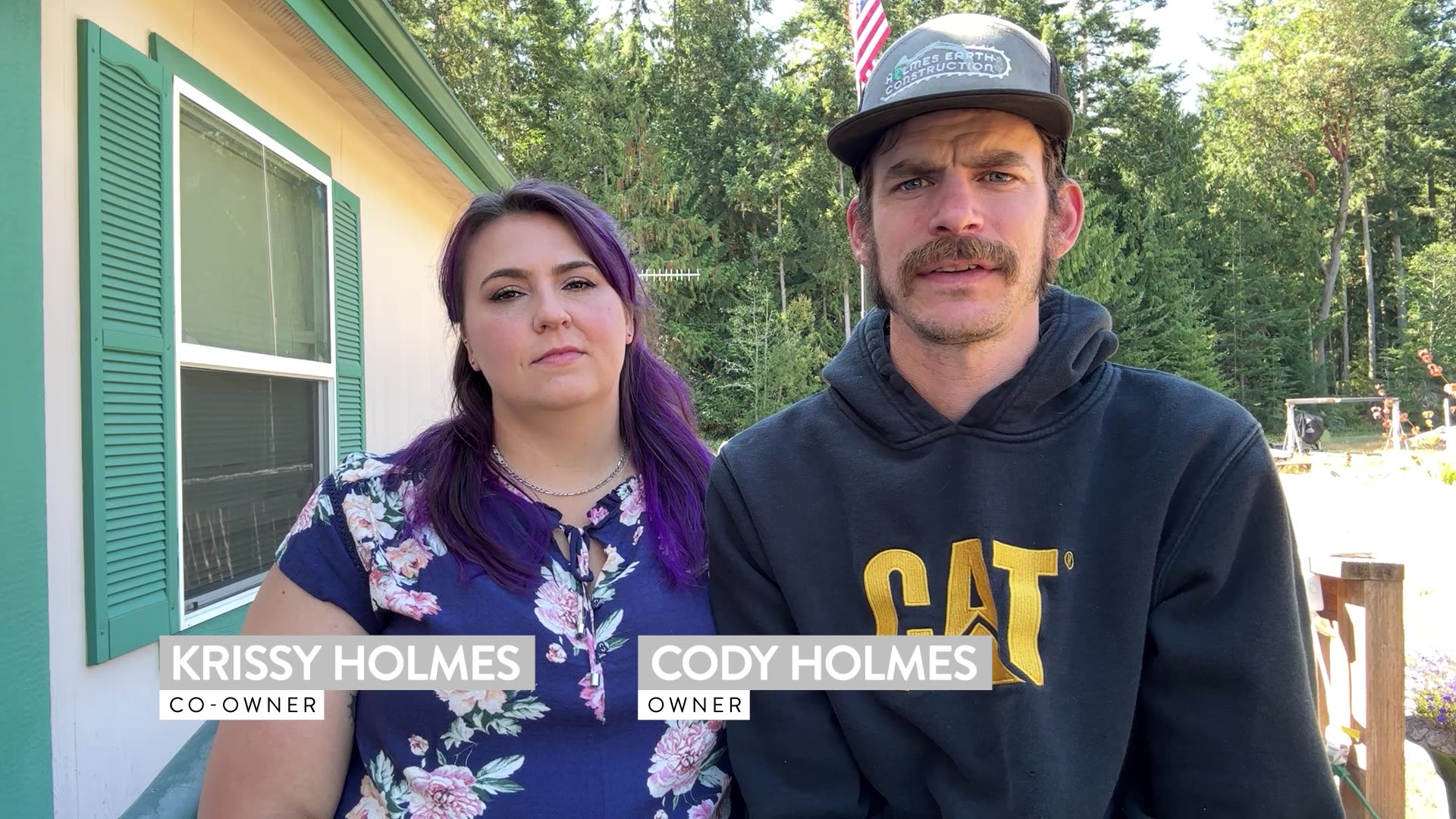
Cody Holmes
disputes or the need for retroactive grading corrections. A well-planned drainage strategy protects the building site, reduces erosion, and ensures long-term site stability.Underground utilities are a third major concern. Despite the existence of utility maps, not all lines are accurately documented, and some may lie just beneath the surface. Striking a gas, power, or water line can delay work, incur costly repairs, and in severe cases, pose serious safety hazards. Verifying utility locations through reliable locating services should always precede excavation.Site assessments can also reveal environmental constraints, such as...
may lack cohesion, requiring specific stabilization measures.Drainage is another critical variable. Without proper evaluation of existing water flow paths, excavation may inadvertently redirect runoff toward structures or neighboring properties. This not only risks future water damage but may also lead to legal
A well planned drainage strategy protects the build site, reduces erosion, and ensures long term site stability.
About the Author
Cody Holmes is the Owner of Holmes Earth Construction LLC, an excavation and land-clearing contractor based in Sequim, Washington. He brings over 15 years of experience in excavation, grading, demolition, tree removal, and property clearing, overseeing all aspects of the company’s operations.