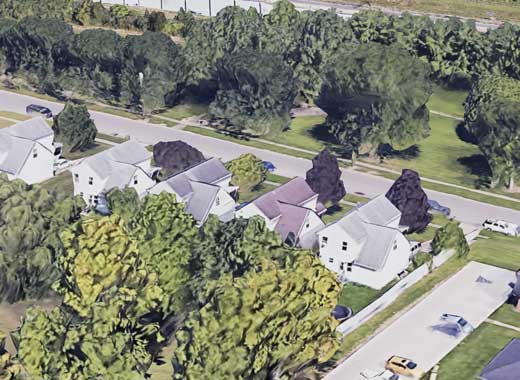
Welcome to Rexburg, Idaho, a delightful haven nestled among the picturesque landscapes of the Upper Snake River Valley. This lively town is home to a warm, welcoming community that instantly makes you feel like family. With stunning
views of the Teton and Centennial mountain ranges, Rexburg offers residents and visitors a perfect blend of natural beauty and small-town charm.
Life in Rexburg is filled with opportunities for adventure and comfort. Take a stroll through the town's meticulously kept parks, or explore the scenic trails in nearby national parks. Outdoor enthusiasts will revel in activities such as skiing, biking, and fishing, all easily accessible
Explore the Vibrant Charm of Rexburg,
Hello Rexburg, Idaho • Spring Issue |5
from Rexburg. Meanwhile, culture seekers can enjoy a vibrant arts scene, with local theaters and galleries showcasing talent from across the region.
A flourishing educational hub, Rexburg is home to Brigham Young University-Idaho, attracting a lively, diverse student community that enriches the town's dynamic atmosphere. This young and vibrant energy is mirrored in the quaint downtown area, buzzing with local boutiques,
cozy cafes, and farm-to-table eateries that tempt with their mouth-watering offerings.
Whether you're drawn by the breathtaking vistas, the thriving community spirit, or the joyful blend of tradition and modernity, Rexburg, Idaho, offers something for everyone. Discover life in this captivating town and see why so many choose to call Rexburg home.
Explore the Vibrant Charm of Rexburg,
Explore the Vibrant Charm of Rexburg, Idaho
Welcome to Rexburg, Idaho, a delightful haven nestled among the picturesque landscapes of the Upper Snake River Valley. This lively town is home to a warm, welcoming community that instantly makes you feel like family. With stunning views of the Teton and Centennial mountain ranges, Rexburg offers residents and visitors a perfect blend of natural beauty and small-town charm.
Life in Rexburg is filled with opportunities for adventure and comfort. Take a stroll through the town's meticulously kept parks, or explore the scenic trails in nearby national parks. Outdoor enthusiasts will revel in activities such as skiing, biking, and fishing, all easily accessible from Rexburg. Meanwhile, culture seekers can enjoy a vibrant arts scene, with local theaters and galleries showcasing talent from across the region.
A flourishing educational hub, Rexburg is home to Brigham Young University-Idaho, attracting a lively, diverse student community that enriches the town's dynamic atmosphere. This young and vibrant energy is mirrored in the quaint downtown area, buzzing with local boutiques, cozy cafes, and farm-to-table eateries that tempt with their mouth-watering offerings.
Whether you're drawn by the breathtaking vistas, the thriving community spirit, or the joyful blend of tradition and modernity, Rexburg, Idaho, offers something for everyone. Discover life in this captivating town and see why so many choose to call Rexburg home.
What to Know Before Filing a Personal Injury Claim
After an injury, many people feel overwhelmed and unsure about what comes next. Pain, medical visits, missed work, and stress can make it hard to focus on legal questions. Still, the early decisions made after an accident can affect whether a personal injury claim is successful and how much compensation
may be available.The first priority after any injury is medical care. Seeing a medical professional as soon as possible protects your health and creates a record connecting the injury to the incident. Delaying treatment can raise questions later about whether the injury was serious or caused by
6 | HelloRexburg, Idaho • Spring Issue
What to Know Before Filing a Personal Injury Claim
After an injury, many people feel overwhelmed and unsure about what comes next. Pain, medical visits, missed work, and stress can make it hard to focus on legal questions. Still, the early decisions made after an accident can affect whether a personal injury claim is successful and how much compensation may be available. The first priority after any injury is medical care. Seeing a medical professional as soon as possible protects your health and creates a record connecting the injury to the incident. Delaying treatment can raise questions later about whether the injury was serious or caused by something else. Consistent follow up care also helps show how the injury affects daily life over time. Documentation plays a critical role in personal injury claims. Medical records, test results, prescriptions, and treatment plans help establish the extent of physical harm. Photos of injuries, accident scenes, and damaged property can support your version of events. Keeping copies of bills and receipts related to medical care or recovery expenses helps track financial losses accurately. Timing is another important factor many people overlook. Every state has deadlines, known as statutes of limitations, that control how long you have to file a personal injury claim. Missing these deadlines can mean losing the right to seek compensation entirely. Acting early allows time to gather evidence, speak with witnesses, and understand legal options before those limits approach. Understanding liability is also essential before filing a claim. A valid personal injury case usually requires showing that another party acted negligently or failed to meet a duty of care. This could involve unsafe conditions, careless driving, or other preventable actions. Clear evidence of fault strengthens a claim and helps clarify who may be responsible for damages. Injuries often create losses beyond immediate medical bills. Missed work, reduced earning capacity, and ongoing treatment costs can have lasting effects. Pain, limited mobility, and emotional stress may also affect daily routines and quality of life. A complete personal injury claim considers both current and future impacts, not just initial expenses. Understanding your rights early helps protect your ability to seek compensation for medical bills, lost income, and long term impacts. Insurance companies may request statements or offer quick settlements that do not reflect the full cost of an injury. Knowing what to expect before filing can help avoid decisions that limit recovery later. Personal injury claims are rarely just about paperwork. They involve real consequences for health, finances, and stability. Taking time to understand medical documentation, legal deadlines, and the full scope of damages can make the process clearer. Preparation allows injured individuals to move forward with better information and fewer surprises.
Marcia Murdoch & Steven Atkinson
something else. Consistent follow up care also helps show how the injury affects daily life over time.Documentation plays a critical role in personal injury claims. Medical records, test results, prescriptions, and treatment plans help establish the extent of physical harm. Photos of injuries, accident scenes, and
damaged property can support your version of events. Keeping copies of bills and receipts related to medical care or recovery expenses helps track financial losses accurately.Timing is another important factor many people overlook. Every state has deadlines, known as statutes of limitations, that control how long you have to file a personal injury claim. Missing these deadlines can mean losing the right to seek compensation entirely. Acting early allows time to gather evidence, speak with witnesses, and understand legal options before those limits approach.Understanding liability is also essential before filing a claim. A valid...
Understanding your rights early helps protect your ability to seek compensation for medical bills, lost income, and long term impacts.
About the Author
Marcia Murdoch and Steven Atkinson are Idaho attorneys deeply rooted in Fremont County. Marcia is a University of Idaho law graduate, former elected prosecutor, school trustee, and current law firm partner. Steven, a University of Idaho law graduate and former deputy prosecutor, brings extensive trial experience, Spanish fluency, and a broad practice serving families and individuals throughout Eastern Idaho.
HelloRexburg, Idaho • Spring Issue |7
Myth vs. Fact: You Need 20% Down to Buy a Home
One of the most persistent misconceptions in real estate is the belief that a buyer must save a 20 percent down payment before purchasing a home. Although this was once the standard for conventional mortgages, lending options have evolved significantly in recent decades. For many buyers in Rexburg and
throughout East Idaho, assuming that 20 percent is mandatory creates an unnecessary barrier and delays homeownership for years. This misunderstanding often keeps qualified buyers from even beginning their search because they fear they do not have enough savings to qualify.Several mortgage programs
8 | HelloRexburg, Idaho • Spring Issue
Myth vs. Fact: You Need 20% Down to Buy a Home
One of the most persistent misconceptions in real estate is the belief that a buyer must save a 20 percent down payment before purchasing a home. Although this was once the standard for conventional mortgages, lending options have evolved significantly in recent decades. For many buyers in Rexburg and throughout East Idaho, assuming that 20 percent is mandatory creates an unnecessary barrier and delays homeownership for years. This misunderstanding often keeps qualified buyers from even beginning their search because they fear they do not have enough savings to qualify.
Several mortgage programs now allow qualified buyers to purchase a home with far less money up front. FHA loans, for example, require as little as 3.5 percent down, and certain conventional loans permit down payments of just 3 percent for applicants meeting specific credit and income guidelines. In rural areas of East Idaho, USDA loans offer zero-down financing for eligible buyers, making them an important resource for households seeking affordable entry into the housing market. These programs are designed to expand access to homeownership without compromising loan performance or increasing lender risk. Buyers often discover that these alternatives make it possible to enter the market much sooner than expected.
It is important, however, to understand the trade-offs involved with lower down payments. Buyers should anticipate paying private mortgage insurance (PMI) on conventional loans where less than 20 percent is provided. FHA loans carry their own mortgage insurance premiums, and USDA loans include additional fees that are built into the monthly payment. Buyers should also consider how a smaller down payment affects their equity position, monthly obligations, and long-term financial stability, particularly in markets where housing values may fluctuate. Twenty percent down is no longer a universal requirement for buying a home.
Working with an experienced lender early in the process helps buyers evaluate which loan programs align with their circumstances. For many, purchasing with a smaller down payment makes homeownership achievable sooner than they imagined and allows them to begin building equity instead of continuing to rent.
Ryan Lerwill
now allow qualified buyers to purchase a home with far less money up front. FHA loans, for example, require as little as 3.5 percent down, and certain conventional loans permit down payments of just 3 percent for applicants meeting specific credit and income guidelines. In rural areas of East Idaho, USDA loans offer
zero-down financing for eligible buyers, making them an important resource for households seeking affordable entry into the housing market. These programs are designed to expand access to homeownership without compromising loan performance or increasing lender risk. Buyers often discover that these alternatives make it possible to enter the market much sooner than expected.It is important, however, to understand the trade-offs involved with lower down payments. Buyers should anticipate paying private mortgage insurance (PMI) on conventional loans where less than 20 percent is provided. FHA loans carry their own mortgage insurance...
Twenty percent down is no longer a universal requirement for buying a home.
About the Author
Ryan Lerwill, co-founder of Countrywide Properties Group, is a seasoned Realtor® with over 25 years of experience. With a background in developing residential, commercial, and multi-family projects, his in-depth market knowledge and strategic guidance give clients confidence. Ryan's local roots and development expertise make him a trusted partner for navigating real estate in Southeast Idaho.