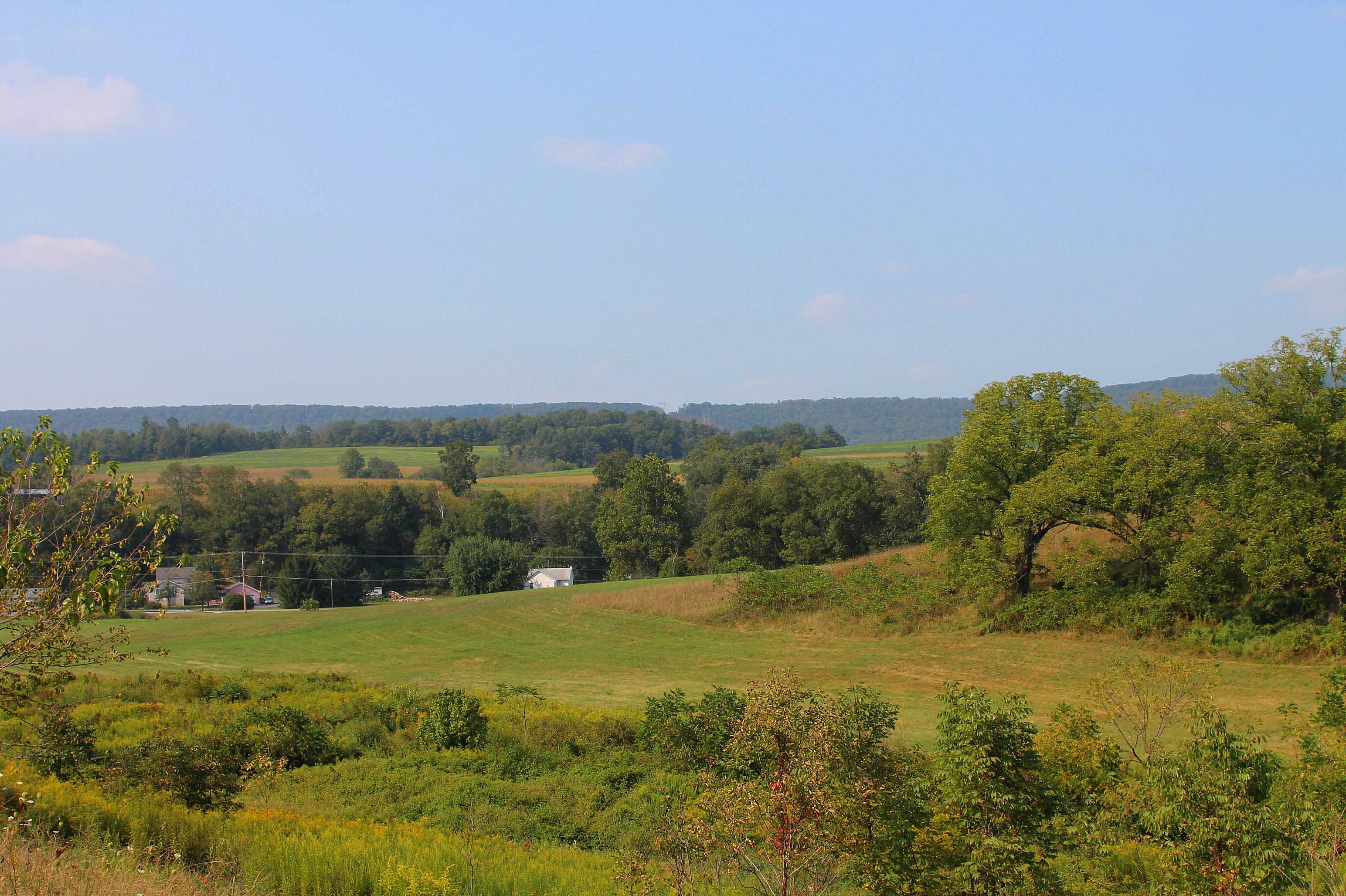
Harrisburg, Pennsylvania, is more than just the state’s capital—it’s a vibrant community with a unique allure that captivates
residents and visitors alike. Rich in history and enveloped by natural beauty, Harrisburg offers an inviting blend of urban and suburban comforts, making it an appealing place to call home. Boasting a stunning skyline along the banks of the Susquehanna River, the city offers beautiful riverfront views that are perfect for leisurely strolls or lively festivals and events.
Culture flourishes in Harrisburg, with venues such as the Whitaker Center for Science and the Arts and the historic Harrisburg Symphony Orchestra providing residents with endless entertainment options. The city is also a hub for food enthusiasts, with farm-to-table restaurants embracing the region's rich agricultural heritage. For outdoor enthusiasts, the Capital Area Greenbelt offers a scenic 20-mile loop for biking, walking, and connecting with nature.
Community spirit thrives in Harrisburg, with friendly neighborhoods and a welcoming vibe that invites newcomers into the fold. The city excels in offering quality education and modest living costs, ensuring families find a nurturing environment for growth and connection. In Harrisburg, history meets modern-day living, creating a lively tapestry of past, present, and future. Discover a place brimming with possibilities and vibrant energy in this impressive capital gem.
Discover the Charm of Harrisburg,
Discover the Charm of Harrisburg, Pennsylvania: A Capital Gem
Harrisburg, Pennsylvania, is more than just the state’s capital—it’s a vibrant community with a unique allure that captivates residents and visitors alike. Rich in history and enveloped by natural beauty, Harrisburg offers an inviting blend of urban and suburban comforts, making it an appealing place to call home. Boasting a stunning skyline along the banks of the Susquehanna River, the city offers beautiful riverfront views that are perfect for leisurely strolls or lively festivals and events.
Culture flourishes in Harrisburg, with venues such as the Whitaker Center for Science and the Arts and the historic Harrisburg Symphony Orchestra providing residents with endless entertainment options. The city is also a hub for food enthusiasts, with farm-to-table restaurants embracing the region's rich agricultural heritage. For outdoor enthusiasts, the Capital Area Greenbelt offers a scenic 20-mile loop for biking, walking, and connecting with nature.
Community spirit thrives in Harrisburg, with friendly neighborhoods and a welcoming vibe that invites newcomers into the fold. The city excels in offering quality education and modest living costs, ensuring families find a nurturing environment for growth and connection. In Harrisburg, history meets modern-day living, creating a lively tapestry of past, present, and future. Discover a place brimming with possibilities and vibrant energy in this impressive capital gem.
How Much Does Infant Child Care Cost In Harrisburg, Pa, And What Changes The Price?
Infant child care in Harrisburg, Pennsylvania, generally costs more than care for older children because babies require constant attention and smaller staffing ratios. Staffing ratios are the main factor affecting weekly tuition, as each caregiver can safely supervise only a few infants at a time.
Programs that maintain high staff-to-child ratios provide more individualized care, which often increases child care rates significantly. In addition, infants require specialized cribs, feeding supplies, and safe sleep arrangements, all of which contribute to higher costs compared to toddler or
6 | HelloHarrisburg, Pennsylvania • Spring Issue
How Much Does Infant Child Care Cost In Harrisburg, Pa, And What Changes The Price?
Infant child care in Harrisburg, Pennsylvania, generally costs more than care for older children because babies require constant attention and smaller staffing ratios. Staffing ratios are the main factor affecting weekly tuition, as each caregiver can safely supervise only a few infants at a time. Programs that maintain high staff-to-child ratios provide more individualized care, which often increases child care rates significantly. In addition, infants require specialized cribs, feeding supplies, and safe sleep arrangements, all of which contribute to higher costs compared to toddler or preschool programs.
Rates also differ depending on whether a child attends full-time care or part-time schedules. Full-time care typically involves longer hours and consistent staffing throughout the day, which raises weekly tuition. Part-time schedules may be less expensive, but some centers have minimum attendance requirements or limited openings for part-time care. Parents should review how the center structures part-time schedules, including the exact number of hours offered, because even a few extra hours can affect pricing. Families should always ask whether the quoted rate includes meals, diapers, or other supplies, as additional fees can raise the overall cost. Enrollment fees, activity fees, and supply fees may also apply, and these can vary widely between centers in Harrisburg.
Location is another key factor affecting infant child care pricing. Centers in central Harrisburg neighborhoods or near major employment hubs often charge more than programs located in suburban or outlying areas. Some centers with newer facilities, advanced safety systems, outdoor play areas, or specialized infant programs may also have higher child care rates. Conversely, smaller home-based providers might charge slightly less, but they are still required to follow state-mandated staffing ratios, which keeps costs from dropping drastically. Families may also consider convenience and commuting time when comparing rates, as a centrally located program could save money on transportation or time.
Additional factors that can influence tuition include seasonal demand, flexible hours, and optional enrichment programs. Centers offering early drop-off, late pickup, or weekend care often charge extra. Enrichment activities, such as music, sensory play, or early developmental learning programs, may be included in tuition or billed separately. These programs provide additional social and cognitive benefits for infants, which can justify higher weekly tuition. By asking what services are included, parents can more accurately compare child care rates across multiple programs.
Licensing and accreditation also play a role in cost. State-licensed and nationally accredited programs maintain higher standards, including staff training, safety protocols, and curriculum oversight. These quality measures often justify higher tuition because families receive professional, structured care. In Harrisburg, PA, infant care pricing varies widely depending on program features, staffing ratios, and included services, giving families multiple options based on budget and priorities.
Transportation and sibling discounts can also impact total expenses. Some centers provide shuttle services to workplaces or nearby neighborhoods, which may be included in tuition or billed separately. Families with multiple children attending the same program often receive discounts on weekly tuition, making care more affordable. Understanding the full impact of transportation fees and sibling discounts can help families budget accurately.
The program approach and curriculum can further influence cost. Centers that focus on structured infant learning, social development, or early milestone tracking may charge higher rates for specialized programs. Families who value these features often pay more but benefit from professional guidance and enriched care for their infants. Comparing programs carefully allows parents to weigh child care rates against quality, services, and developmental opportunities.
Ultimately, infant child care pricing in Harrisburg, PA, is determined by staffing ratios, full-time care versus part-time schedules, location, program quality, enrollment fees, and optional services. Families who ask detailed questions about what is included, additional fees, and staffing policies can make informed decisions that balance cost and care quality.
Timothy R. Norris
preschool programs.Rates also differ depending on whether a child attends full-time care or part-time schedules. Full-time care typically involves longer hours and consistent staffing throughout the day, which raises weekly tuition. Part-time schedules may be less expensive, but some centers have minimum attendance
requirements or limited openings for part-time care. Parents should review how the center structures part-time schedules, including the exact number of hours offered, because even a few extra hours can affect pricing. Families should always ask whether the quoted rate includes meals, diapers, or other supplies, as additional fees can raise the overall cost. Enrollment fees, activity fees, and supply fees may also apply, and these can vary widely between centers in Harrisburg.Location is another key factor affecting infant child care pricing. Centers in central Harrisburg neighborhoods or near major employment hubs often charge...
Families should always ask whether the quoted rate includes meals, diapers, or other supplies, as additional fees can raise the over...
About the Author
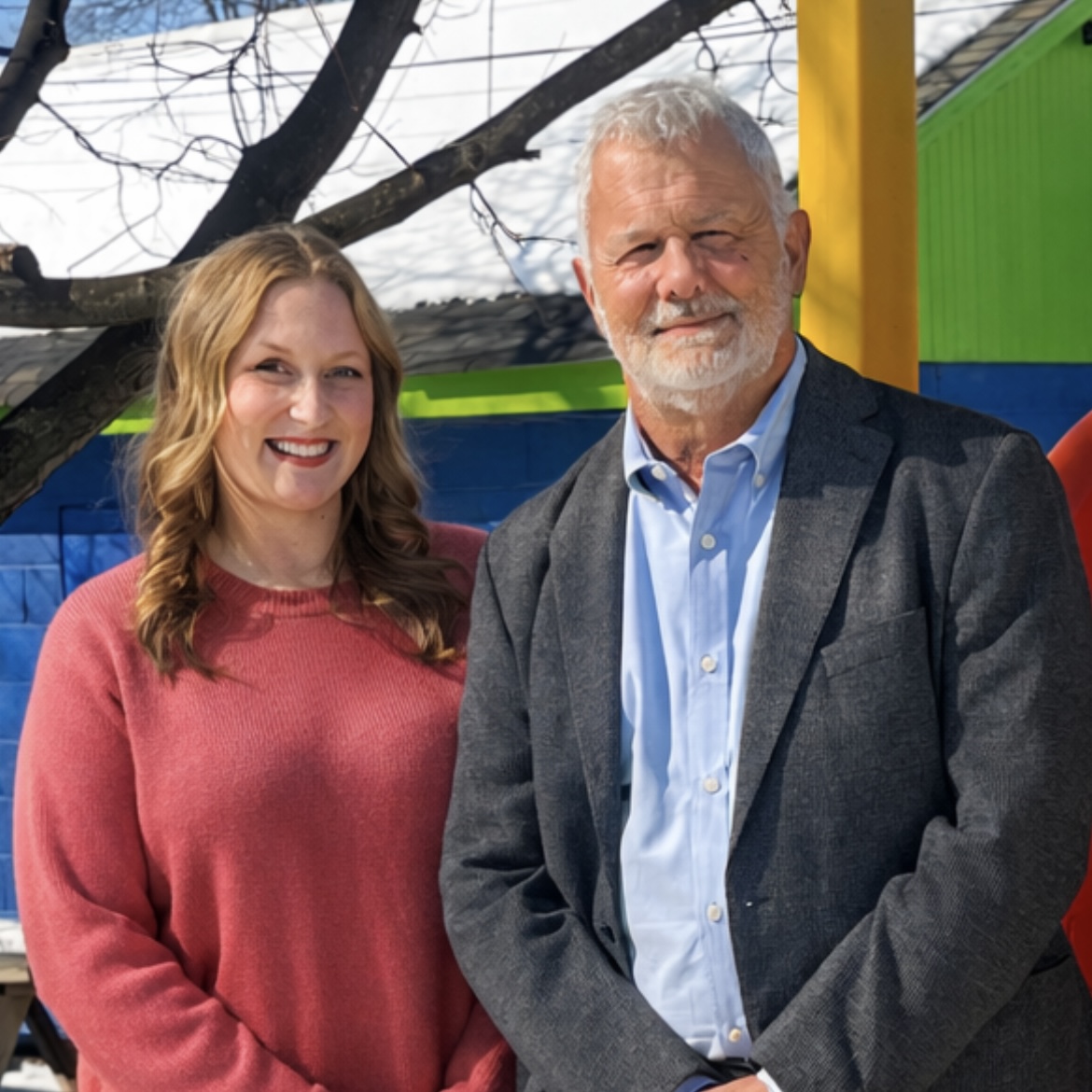
Timothy R. Norris founded Central Pennsylvania child care programs in 1983 and still guides daily operations. Kristen Lloyd is the executive administrator, has been with the centers for 11 years, and holds a master’s degree in counseling services. Together they emphasize steady routines, learning, and partnerships with families and schools.
HelloHarrisburg, Pennsylvania • Spring Issue |7
Featured Story
Championing Assisted Living Care
Across Pennsylvania’s senior-care landscape, the Pennsylvania Assisted Living Association (PALA) has become an essential voice for both residents and the professionals who support them. Representing personal care homes and assisted living residences statewide, PALA works to strengthen quality of care,
advocate for providers, and ensure seniors receive dignity, safety and support as they age. Leading that mission is Executive Director Susan Saxinger, whose work over the past several years has helped carry forward and strengthen PALA’s advocacy legacy, reinforcing the association’s standing as a
8 | HelloHarrisburg, Pennsylvania • Spring Issue
Championing Assisted Living Care
Across Pennsylvania’s senior-care landscape, the Pennsylvania Assisted Living Association (PALA) has become an essential voice for both residents and the professionals who support them. Representing personal care homes and assisted living residences statewide, PALA works to strengthen quality of care, advocate for providers, and ensure seniors receive dignity, safety and support as they age. Leading that mission is Executive Director Susan Saxinger, whose work over the past several years has helped carry forward and strengthen PALA’s advocacy legacy, reinforcing the association’s standing as a respected thought leader and strong legislative presence in Harrisburg. Saxinger brings more than 20 years of hands-on leadership experience in senior living and healthcare to the role, including as a nurse, personal care home administrator, and assisted living administrator. Her background includes extensive work in membership development, government relations, event programming, and strategic communications — a combination that has proven valuable as the regulatory environment becomes more demanding. Under her leadership, PALA has continued to expand educational opportunities for providers, offering enhanced training programs, compliance guidance, workforce support, and resources tailored to the practical realities of running senior-care facilities in a post-pandemic world. This year, much of PALA’s advocacy work has focused on improving affordability and access to assisted living communities. At the state level, PALA is supporting legislation that would allow assisted living services to be covered under Pennsylvania’s Medicaid waiver, helping ensure more seniors can access appropriate care. At the federal level, the association continues to support the Elizabeth Dole Act and broader efforts to expand access to assisted living options for our nation’s veterans. Beyond legislative engagement, PALA continues to elevate professional development through statewide conferences, leadership institutes, and peer-support opportunities that help providers strengthen both the quality and consistency of resident care. Saxinger has emphasized the need for sustainable reimbursement models, improved workforce pipelines, and practical regulatory frameworks that protect residents without placing impossible burdens on facilities. Her leadership has positioned PALA not only as a support system but as a catalyst for long-term stability in the assisted-living sector. “Our goal is to support providers so they can focus on what matters most: delivering safe, compassionate care to Pennsylvania’s seniors,” Saxinger has often noted, a belief reflected in every initiative the association advances. For assisted-living and personal-care providers across Pennsylvania, PALA membership offers community, advocacy, and guidance at a time when the industry is navigating rapid changes and rising expectations. Under Susan Saxinger’s leadership, the association continues to push for solutions that respect both the people who deliver care and the people who depend on it — ensuring seniors across the Commonwealth receive the support and dignity they deserve.
HelloNation Staff Writer
respected thought leader and strong legislative presence in Harrisburg.Saxinger brings more than 20 years of hands-on leadership experience in senior living and healthcare to the role, including as a nurse, personal care home administrator, and assisted living administrator. Her background includes extensive work in
membership development, government relations, event programming, and strategic communications — a combination that has proven valuable as the regulatory environment becomes more demanding. Under her leadership, PALA has continued to expand educational opportunities for providers, offering enhanced training programs, compliance guidance, workforce support, and resources tailored to the practical realities of running senior-care facilities in a post-pandemic world.This year, much of PALA’s advocacy work has focused on improving affordability and access to assisted living communities. At the state level, PALA is supporting...
Our goal is to support providers so they can focus on what matters most: delivering safe, compassionate care to Pennsylvania’s seniors
About the Author
HelloNation is a premier media platform that connects readers with trusted professionals and businesses across various industries. Through its innovative “edvertising” approach that blends educational content and storytelling, HelloNation delivers expert-driven articles that inform, inspire, and empower. Covering topics from home improvement and health to business strategy and lifestyle, HelloNation highlights leaders making a meaningful impact in their communities.