

Inverters Power the Future of Mobile Grooming Vans
Mobile grooming vans depend on reliable power to keep tools running safely and pets comfortable. As more groomers evaluate long-term operating costs and daily working conditions, inverter-powered systems are gaining attention as a practical alternative to traditional generators. Engineers who design these vehicles are seeing a clear shift in how mobile grooming power is planned.
Inverter systems rely on batteries and electrical components instead of fuel-driven engines. In a battery-powered grooming van, power is stored and quietly distributed via an inverter that converts battery energy into usable electricity. This setup eliminates the need for gasoline or diesel generators, which have long been considered standard equipment.
One of the most common questions groomers ask is: What is the best power setup for a mobile grooming van? The answer often varies depending on how the van is used, but battery-powered inverter systems offer advantages that appeal to many operators. They produce consistent power without the noise, vibration, or fumes associated with generators.
Noise reduction is one of the most noticeable differences. Generators can be loud and disruptive, especially in residential neighborhoods. Vans powered by inverters operate silently, creating a calmer environment for pets that may already feel anxious during grooming. Groomers also benefit from less background noise during long workdays.
Air quality inside and around the van improves with an all-electric system. Generators produce exhaust that can linger, particularly in enclosed or poorly ventilated spaces. Inverter systems create no emissions, helping maintain a cleaner work area and reducing exposure to fumes for both pets and groomers. A generator-free grooming van eliminates exhaust and noise, improving safety and comfort during every appointment.
Maintenance requirements also differ significantly. Generators include engines, belts, filters, and fuel systems that require regular service. Over time, these parts wear out and can fail unexpectedly. Inverter systems have fewer moving components, which generally leads to virtually no routine maintenance and fewer mechanical surprises.
Another common question is whether generator-free is better for grooming vans. From a design standpoint, removing the generator simplifies the vehicle layout. This can free up storage space or equipment and reduce overall weight. A lighter van may experience less wear on suspension and brakes over its lifespan.
When comparing generator vs inverter grooming van setups, long-term costs matter. While inverter systems may require a higher upfront investment, fuel savings and reduced maintenance can offset that cost over time. As battery technology improves, runtimes continue to increase, making electric systems more practical for longer workdays.
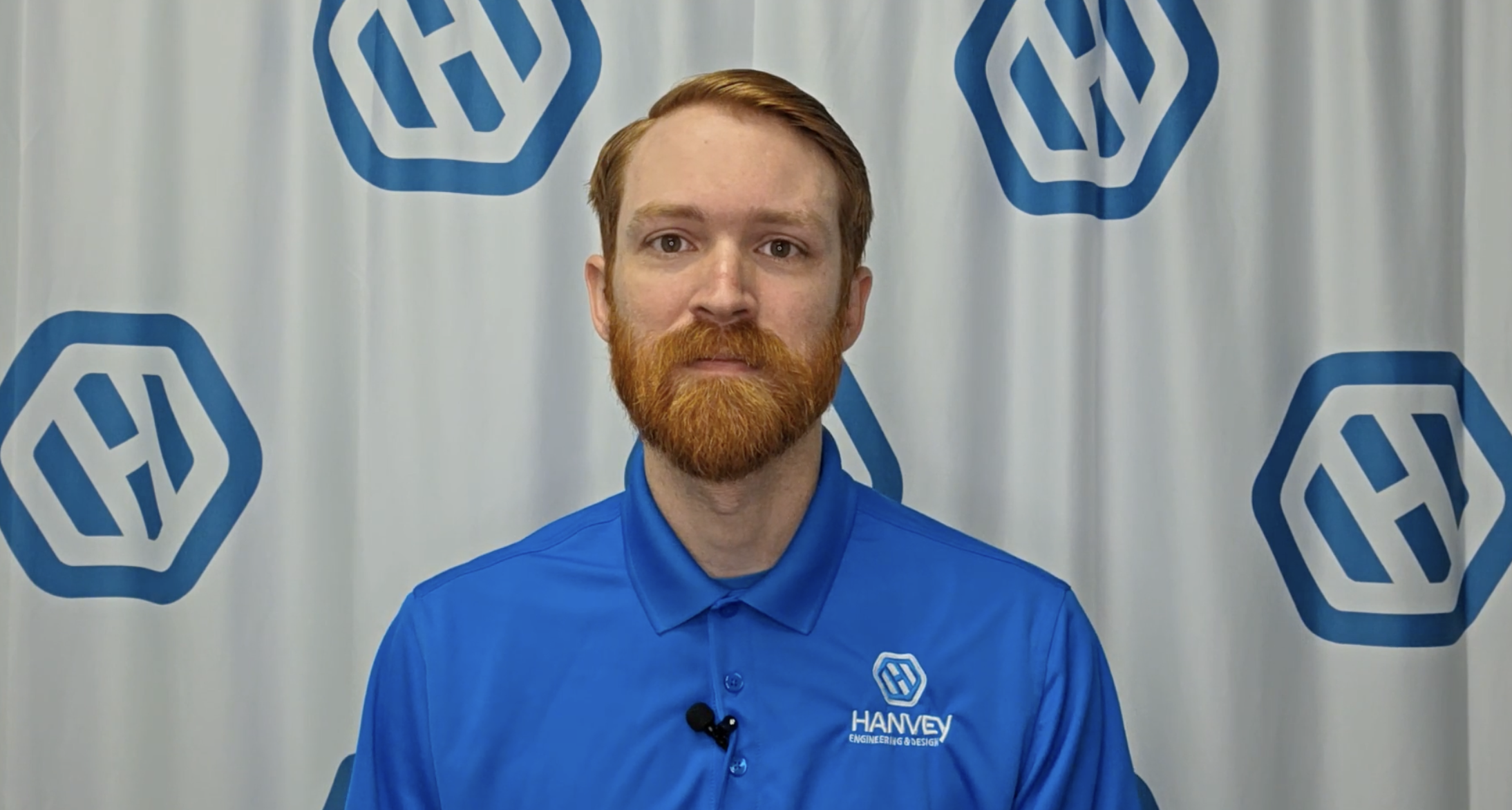
Engineers involved in mobile van design, including professionals like Chris Hanvey of Hanvey Engineering and Design in Easley, South Carolina, are seeing growing interest in all-electric solutions. Advances in batteries, charging systems, and energy management have made inverter-powered vans more reliable and have extended their runtimes compared with earlier generations.
Electric mobile grooming van comparison studies often highlight sustainability as well. Reducing fuel use lowers emissions and aligns with broader environmental goals. For groomers planning for the long term, inverter-powered vans represent a forward-looking approach that aligns with modern expectations for efficiency and responsibility.
Inverter-powered grooming vans are not just a trend but a reflection of changing priorities in mobile services. Quiet operation, cleaner air, and simpler maintenance are reshaping how grooming vans are designed and used across the country.